

Spirit Airlines suspends operations amid US fuel crisis and failed bailout talks

- Update Time : Monday, May 4, 2026
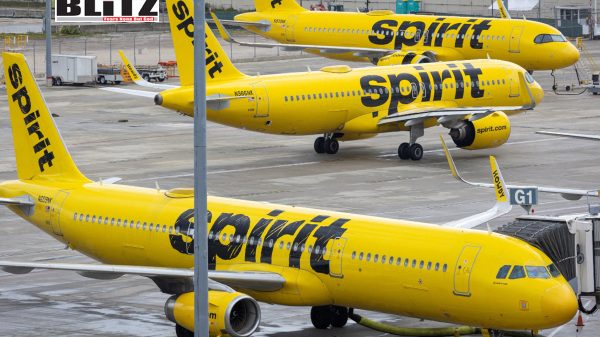
Spirit Airlines, one of the United States’ best-known ultra-low-cost carriers, has abruptly suspended all operations following a severe financial collapse driven by soaring jet fuel prices and the failure of last-minute government-backed rescue negotiations. The airline’s shutdown, announced on May 3, is expected to affect thousands of employees and send shockwaves through the already strained global aviation industry.
The company confirmed that it had begun an “orderly suspension of operations effective immediately,” citing an unsustainable rise in operational costs, particularly jet fuel, which has surged in recent weeks amid global energy market instability. The announcement marks one of the most significant airline failures in recent US aviation history and raises broader concerns about the vulnerability of budget carriers in volatile energy environments.
At the heart of Spirit Airlines’ collapse is a dramatic spike in jet fuel prices, which industry analysts say rose from approximately $2.50 to $4.00 per gallon within a short period. For a low-cost carrier model that depends heavily on tight margins and high aircraft utilization, such an increase proved devastating.
In a statement, Spirit Airlines President and CEO Dave Davis said the company had exhausted all viable financial options despite previously agreed restructuring efforts with bondholders in March. “The sudden and sustained rise in fuel prices has fundamentally altered our cost structure beyond recovery thresholds,” Davis noted, emphasizing that the decision to wind down operations was made only after all alternatives had been considered.
The airline had already been under financial strain prior to the energy shock, grappling with debt obligations, fluctuating demand, and competitive pressure from both legacy carriers and other budget airlines. However, the recent spike in fuel costs accelerated its financial deterioration, leaving it unable to maintain liquidity or secure additional private financing.
According to reports, Spirit Airlines’ bondholders rejected a last-minute rescue proposal linked to the US government. The plan, reportedly supported by the Trump administration, would have provided up to $500 million in emergency assistance. In exchange, the government would have taken priority over existing creditors and potentially acquired a controlling stake of up to 90% in the company.
The proposal was ultimately rejected amid disagreements between stakeholders over ownership structure, creditor hierarchy, and long-term strategic control of the airline. Industry observers suggest that concerns about political influence and restructuring uncertainty also contributed to the deal’s collapse.
Without the bailout, Spirit was left without sufficient liquidity to sustain operations through the ongoing fuel crisis, effectively forcing the company into immediate suspension.
The shutdown is expected to result in the loss of approximately 17,000 jobs, including around 14,000 direct employees and thousands more contractors, airport service workers, and related support staff.
Aviation analysts warn that the impact will extend beyond Spirit itself. With fewer available flights in the domestic market, ticket prices across competing airlines are expected to rise, particularly on high-demand routes previously served by Spirit’s low-cost network. Airports heavily reliant on Spirit’s operations may also face reduced traffic and associated revenue declines.
Labor unions representing airline workers have already called for emergency government support programs to assist displaced employees. However, no formal federal relief package has yet been announced in response to the shutdown.
The collapse of Spirit Airlines comes amid a broader global energy disruption that has sharply affected transportation and logistics sectors worldwide. Jet fuel, closely tied to crude oil prices, has seen significant volatility in recent weeks due to supply chain disruptions and geopolitical tensions affecting major shipping routes.
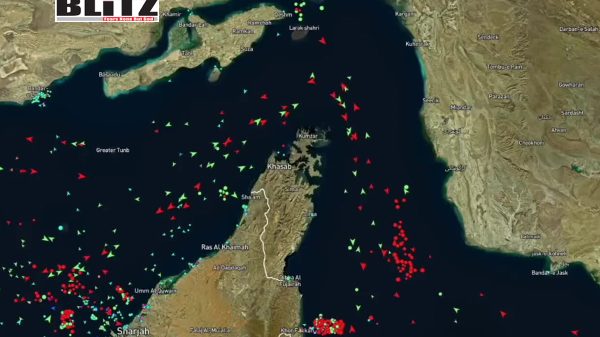
One of the key pressure points has been instability in the Strait of Hormuz, a critical maritime passage through which a significant share of global oil shipments passes. Disruptions in the region have reportedly reduced tanker traffic and delayed deliveries, contributing to tighter global supply conditions and higher fuel costs.
The International Energy Agency has warned that continued instability in the region could exacerbate inflationary pressures across multiple sectors, including aviation, shipping, and manufacturing.
The airline’s shutdown has also drawn political commentary from international figures. Kirill Dmitriev, a Russian presidential envoy for investment and economic cooperation, described Spirit Airlines’ collapse as an early casualty of what he called a “historic energy crisis.”
In remarks posted on social media, Dmitriev pointed to the rapid increase in jet fuel prices as evidence of broader systemic instability in global energy markets. His comments reflect ongoing geopolitical tensions surrounding energy supply chains and sanctions regimes affecting major oil-producing regions.
Meanwhile, US President Donald Trump has downplayed the long-term economic impact of the energy disruptions. He has argued that the US economy remains resilient and that any fuel-related shocks would be temporary rather than structurally damaging. His administration’s proposed bailout package for Spirit Airlines was part of a broader discussion on stabilizing key industries affected by energy volatility, though it ultimately failed to secure support from the company’s creditors.
The collapse of Spirit Airlines raises serious questions about the future of the ultra-low-cost carrier model in an era of unpredictable energy pricing. Airlines operating on razor-thin margins are particularly vulnerable to sudden spikes in fuel costs, and analysts warn that other carriers could face similar pressures if prices remain elevated.
Aviation experts also suggest that the industry may need to reconsider its reliance on highly fuel-sensitive business models, potentially accelerating investment in fuel-efficient aircraft, alternative fuels, and more flexible pricing strategies.
For now, Spirit’s immediate shutdown leaves a significant gap in the US domestic aviation market and signals a broader period of uncertainty for budget air travel. Competitors are expected to absorb some of the displaced demand, but at higher fare levels that could reshape consumer expectations.
As the industry absorbs the shock of one of its most sudden collapses, attention is turning to whether governments and airlines can develop more resilient frameworks to withstand future energy crises. For Spirit Airlines, however, the damage appears to have already crossed the threshold of recovery.
Abul Quashem Joarder, a contributor to Blitz is geopolitical and military expert.