Slovak PM Fico blames Trump’s rhetoric for volatile global oil prices

- Update Time : Sunday, May 3, 2026
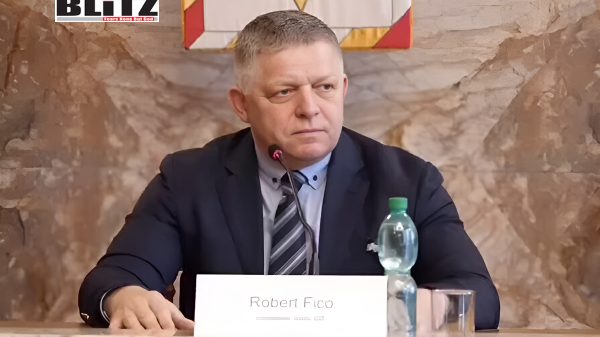
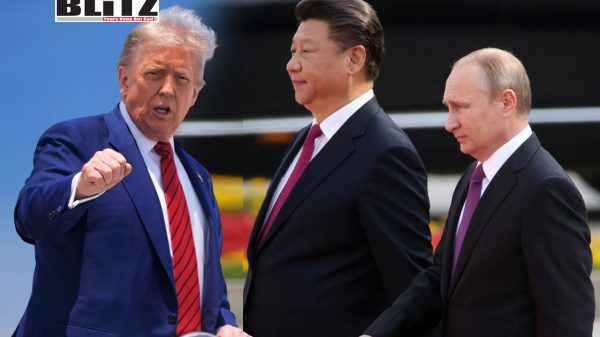
Global crude oil markets have become unusually sensitive to political developments in the United States, with Slovak Prime Minister Robert Fico sharply criticizing what he described as unpredictable price swings tied to President Donald Trump’s statements and perceived moods. In a sarcastic remark delivered to journalists in Bratislava, Fico suggested that global oil pricing now appears to fluctuate based on whether the US president “wakes up in a good or bad mood,” highlighting growing concerns over geopolitical volatility shaping energy markets.
His comments came after Brent crude oil surged to its highest level in years amid escalating tensions involving the United States and Iran, reinforcing fears that energy markets are increasingly driven by geopolitical risk rather than purely economic fundamentals.
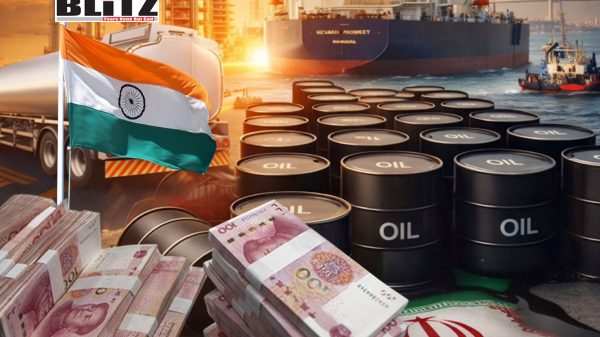
Oil markets experienced extreme volatility in early April, with Brent crude briefly jumping nearly 7% to above $126 per barrel before retreating to around $108 later the same trading session. The surge followed reports suggesting that the US Central Command had prepared military options for potential “short and powerful” strikes against Iran. According to reporting cited by Axios, these options were intended to pressure Tehran amid stalled diplomatic negotiations.
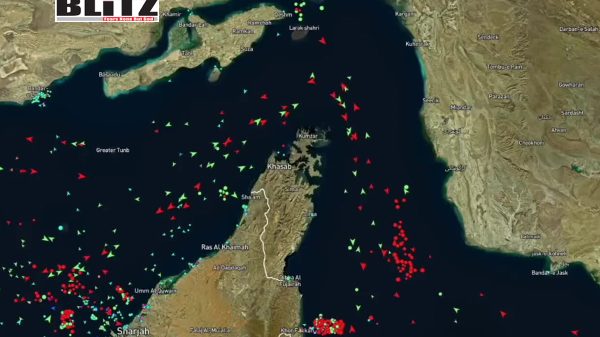
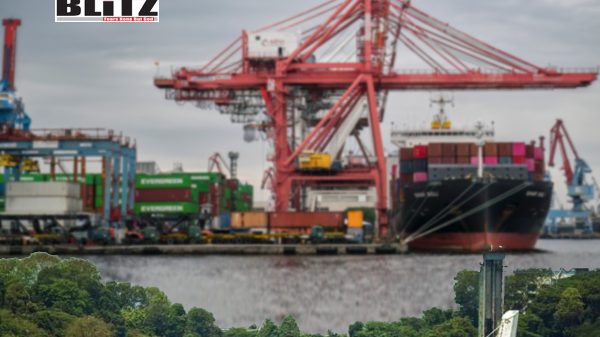
The rapid price movement underscored how sensitive global energy markets remain to developments in the Middle East, particularly when they involve the Strait of Hormuz, a narrow but strategically critical waterway through which approximately one-fifth of global oil shipments pass.
Fico’s remarks directly referenced this volatility, framing it in unusually personal terms. “Everything is under pressure, including oil prices, depending on how President Trump wakes up,” he said. “If he wakes up in a good mood, oil goes down. If he wakes up in a bad mood and makes some statement, oil automatically goes up.”
While clearly sarcastic, his statement reflects a broader concern among policymakers that energy markets are increasingly reacting to political rhetoric and perceived signals from Washington rather than stable supply-demand fundamentals.
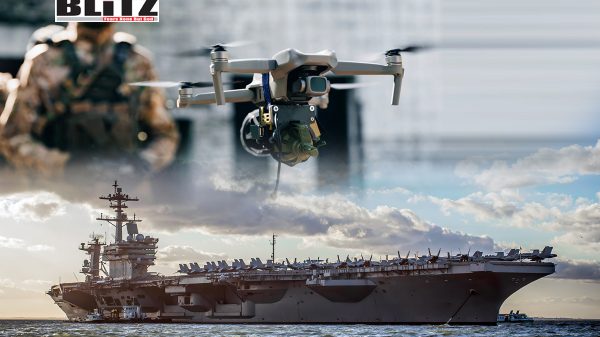
The latest surge in oil prices was also linked to renewed escalation between the United States, Israel, and Iran. Following reported military actions in late February, Iran retaliated by restricting maritime movement through the Strait of Hormuz and targeting US military positions across the Middle East.
This chain of escalation significantly disrupted global energy logistics. Reports indicate that Iran’s response included barring “enemy ships” from passing through the Strait of Hormuz, an action that immediately raised fears of supply bottlenecks in global oil markets. The region is a central artery for global energy trade, and even partial disruptions tend to generate immediate price spikes.
Gasoline prices have also risen sharply in parallel, with volatility spreading across European and Asian markets. Analysts have noted that markets are particularly sensitive to any indication of prolonged disruption in maritime shipping routes or military escalation in the Persian Gulf.
Fico also pointed to what he sees as a pattern of political messaging influencing investor behavior. In his view, statements from the US administration-particularly under President Trump-have contributed to sudden shifts in market sentiment.
His critique aligns with broader observations from financial analysts who argue that modern oil markets are heavily driven by “risk premium pricing.” This means traders often react not only to physical supply disruptions but also to expectations of future instability, policy announcements, or military threats.
According to market analysts, even speculative reports-such as potential US military options against Iran-can be enough to push crude oil futures significantly higher within hours.
The result is a market environment in which sentiment and perception can temporarily outweigh actual supply levels, amplifying volatility and making prices less predictable.
At the center of the current tensions is the Strait of Hormuz, one of the most strategically important maritime chokepoints in the world. Roughly 20% of global oil supply passes through this narrow passage, making it extremely sensitive to geopolitical instability.
Following recent escalations, shipping activity in the region has reportedly declined sharply due to security concerns. Some reports indicate that vessel traffic through the Strait has fallen to a fraction of its normal levels, increasing shipping insurance costs and further contributing to upward pressure on global oil prices.
Iran has used the Strait as a geopolitical leverage point in past confrontations, and current developments suggest a continuation of that strategy. Any restrictions or perceived risks to navigation in the area tend to immediately affect global oil benchmarks such as Brent crude.
The ripple effects of rising oil prices extend far beyond energy markets. Higher crude prices typically feed into inflation across economies, raising transportation, manufacturing, and consumer costs.
European markets have already experienced increased volatility as investors weigh the potential for sustained energy price inflation. Asian economies, many of which are heavily dependent on imported energy, are similarly exposed to price shocks.
Analysts have warned that prolonged instability in the Middle East could lead to broader macroeconomic consequences, including slower global growth and renewed inflationary pressure in both developed and emerging markets.
Financial markets have also shown increased sensitivity, with sharp swings in equities, currencies, and bond yields occurring alongside oil price movements. This reflects growing uncertainty about how long geopolitical tensions will persist and whether further escalation is likely.
Beyond oil markets, Robert Fico extended his critique to broader geopolitical issues involving US foreign policy. He referenced past American military interventions in Iraq and Venezuela and expressed concern about potential escalation in Cuba and territorial disputes involving Greenland.
His comments suggest a wider skepticism about what he views as expanding geopolitical assertiveness by major powers, particularly the United States. While his remarks were partly framed in sarcasm, they reflect ongoing debates within Europe about the stability of global security structures and the economic consequences of prolonged geopolitical conflict.
The recent surge in oil prices highlights the fragile balance between geopolitics and global energy markets. While supply and demand fundamentals remain important, political developments-especially those involving the United States, Iran, and the strategic Strait of Hormuz-are increasingly acting as dominant forces shaping price movements.
Slovak Prime Minister Robert Fico’s sarcastic remarks underscore a growing perception among some policymakers that global markets are being influenced as much by political rhetoric and uncertainty as by actual physical supply constraints.
As tensions in the Middle East continue and diplomatic solutions remain uncertain, energy markets are likely to remain highly reactive, with oil prices responding swiftly to even small signals from political leaders or military developments.
Abul Quashem Joarder, a contributor to Blitz is geopolitical and military expert.