US tech giants companies plan large job cuts as artificial intelligence costs rise

- Update Time : Sunday, April 26, 2026
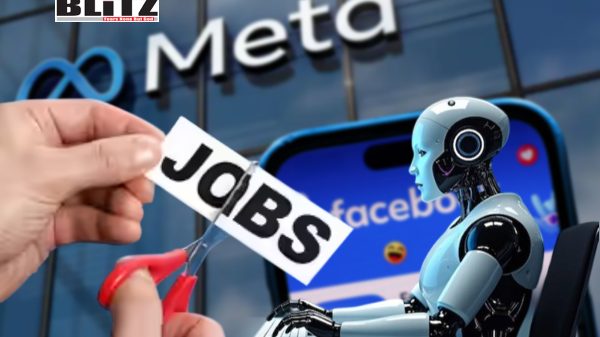
Two major United States technology companies, Meta and Microsoft, are preparing to reduce thousands of jobs as they deal with rising costs linked to heavy spending on artificial intelligence systems. Together, the planned changes could affect up to 16,000 workers, according to reports based on company documents and internal messages.
The changes come at a time when both companies are investing large amounts of money in building advanced computer systems that can power new artificial intelligence tools. These systems require very expensive computer centers, powerful hardware, and large teams of skilled workers. While these investments are expected to help the companies grow in the future, they are also increasing short-term costs and forcing leaders to reduce spending in other areas, including staff numbers.
Meta, the company that owns Facebook, is planning one of the largest changes. It is expected to cut about 10 percent of its workforce, which is around 8,000 jobs. In addition, it will close around 6,000 open positions that have not yet been filled. This means the total reduction in workers and planned hiring will be even larger than the number of direct job cuts.
Reports say the job cuts were shared in an internal message sent to staff and later made public. The company plans to begin the process on May 20. Many of the affected roles are expected to be in areas that are not directly linked to artificial intelligence development or core technical work.
Meta has been spending heavily on building new computer centers and systems needed for artificial intelligence. These centers require large amounts of electricity, advanced chips, and constant maintenance. The company is also competing with other major technology firms to develop more advanced systems that can perform tasks such as writing text, generating images, and helping users with complex questions.
The company has said it expects very large spending in the coming years. One recent estimate suggested that its yearly spending on major investments could reach between 115 billion and 135 billion dollars by 2026. A large share of this money will go toward building and running computer centers, paying outside service providers, and maintaining equipment that becomes less efficient over time.
Microsoft is also making changes to its workforce, but it is using a different approach. Instead of direct layoffs, it is offering voluntary exit packages to some long-term employees in the United States. This program is expected to affect around 7 percent of its United States workforce, which could mean more than 8,000 people are eligible.
The program is aimed at employees who have worked at the company for many years. Microsoft has set a rule that workers may qualify if their age and years of service together reach 70 or more. For example, someone aged 55 who has worked at the company for 15 years could be eligible.
Company leaders have described this option as a way for long-serving employees to leave the company with financial support. Instead of forcing job cuts, the company is giving some workers the choice to leave on their own terms.
Microsoft has already reduced its workforce in earlier rounds of job cuts. In 2025, the company removed more than 15,000 jobs. At the same time, it continues to increase spending on artificial intelligence systems. The company has planned about 140 billion dollars in spending on large technology investments, much of which will go toward building new systems and improving computer networks.
Both Meta and Microsoft are focusing heavily on artificial intelligence because they see it as the next major stage of growth in the technology industry. These systems are designed to perform tasks that normally require human intelligence, such as understanding language, solving problems, and assisting with work tasks.
However, building and maintaining these systems is very expensive. Companies must invest in powerful computer chips, large data storage systems, and cooling facilities for computer centers. They also need to hire highly skilled engineers, which increases salary costs. As a result, companies are trying to balance rising spending with efforts to reduce other expenses, including staff reductions.
The impact of artificial intelligence on jobs is becoming a growing concern in the United States technology sector. Recent reports suggest that tens of thousands of job cuts in the industry have been linked either directly or indirectly to the introduction of artificial intelligence tools. Some jobs are being replaced by automated systems, while others are being removed as companies reorganize their teams to focus more on artificial intelligence work.
One recent study reported that more than 52,000 job cuts in the first three months of the year were connected to changes linked to artificial intelligence. This includes companies replacing human tasks with computer systems and reducing roles that are no longer considered necessary.
Public concern about these changes is also rising. In one recent survey, 57 percent of people in the United States said they believe artificial intelligence is developing too quickly. A much larger share, about 79 percent, said they are worried that government leaders do not have a clear plan to protect workers who may lose jobs because of new technology.
Experts say the current wave of job cuts does not necessarily mean the technology industry is shrinking. Instead, it reflects a major shift in how companies are operating. Businesses are moving away from older systems and roles and putting more focus on artificial intelligence development. This means some jobs are disappearing while new ones are being created in different areas, especially in advanced engineering and system design.
For workers, this shift creates uncertainty. Some roles are becoming less important, while new types of jobs require different skills. Workers in the technology sector may need to learn new tools and adapt to changing demands if they want to stay competitive in the job market.
At the same time, companies are under pressure from investors to control costs and show progress in artificial intelligence development. This has led to difficult decisions, including reducing staff while continuing to invest heavily in future technology.
The actions taken by Meta and Microsoft are likely to influence other companies in the technology industry. As two of the largest and most influential firms in the world, their decisions often shape how others respond to similar challenges. If their cost-cutting measures continue, more companies may follow similar steps.
Governments and policy makers are also expected to pay closer attention to these changes. As artificial intelligence becomes more common, there is increasing debate about how to support workers who may be affected. Some proposals include training programs to help workers learn new skills, as well as stronger rules to manage how companies use automated systems.
In the short term, the focus remains on how these job changes will be carried out and how workers will be affected. While artificial intelligence is expected to bring long-term benefits to technology companies, it is also creating immediate pressure on employment in the industry.
The coming months will show how deeply these changes affect the workforce and whether companies can balance rapid technological progress with stable employment.
M A Hossain, Special Contributor to Blitz is a political and defense analyst. He regularly writes for local and international newspapers.