Trump’s ‘hellholes’ remark sparks diplomatic friction with India ahead of key visit

- Update Time : Saturday, April 25, 2026
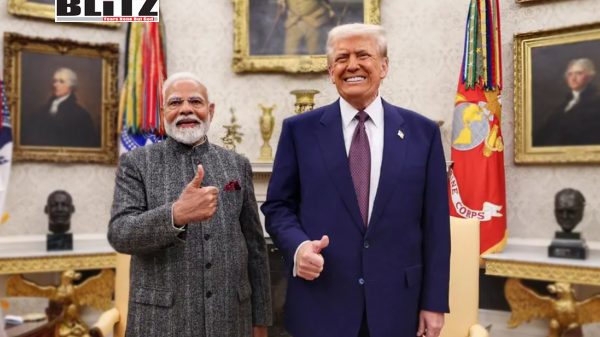
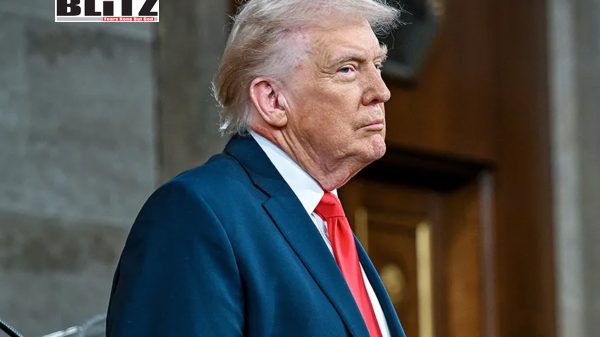
A fresh diplomatic controversy has emerged between the United States and India after US President Donald Trump reposted a controversial message on social media describing India and China as “hellholes.” The remarks, originally made by conservative radio host Michael Savage, have drawn sharp criticism from New Delhi, which has termed them “in poor taste” and inconsistent with the long-standing partnership between the two countries.
The episode unfolded on April 23, when Trump shared a letter written by Savage that strongly criticized US immigration policies, particularly birthright citizenship. In the message, Savage used inflammatory language to characterize immigrants from India as “gangsters with laptops” and accused Indian and Chinese professionals of dominating hiring systems in the United States. The rhetoric quickly triggered backlash not only from Indian officials but also from American lawmakers and members of the Indian diaspora.
Responding publicly, Randhir Jaiswal, spokesperson for India’s Ministry of External Affairs, condemned the remarks. Writing on the social media platform X, Jaiswal described the comments as “obviously uninformed, inappropriate, and in poor taste.” He emphasized that such statements fail to reflect the reality of the bilateral relationship, which has been built on “mutual respect and shared interests” over decades.
India’s reaction underscores the sensitivity of diplomatic language, particularly at a time when both nations are working to deepen cooperation in areas such as defense, trade, and technology. The United States and India have increasingly aligned their strategic interests in recent years, especially in the Indo-Pacific region, where both countries share concerns over China’s growing influence.
In an apparent attempt to contain the fallout, the US Embassy in New Delhi issued a statement reaffirming the strength of bilateral ties. The embassy noted that Trump himself has previously described India as a “great country” and referred to Prime Minister Narendra Modi as a “very good friend.” The statement sought to reassure Indian officials and the public that the broader relationship remains strong despite the controversy.
However, the remarks have reignited debate over immigration and identity politics in the United States. Savage’s original commentary was aimed at criticizing birthright citizenship-a principle enshrined in the US Constitution that grants citizenship to anyone born on American soil. Trump has long been a critic of this policy and, during his presidency, signed an executive order seeking to limit its scope. That move faced immediate legal challenges and remains a contentious issue in US political discourse.
Criticism of Trump’s repost was swift and bipartisan. Ami Bera, a Democratic congressman of Indian origin, condemned the comments as “offensive, ignorant, and beneath the dignity of the office.” Bera, whose parents immigrated from India, highlighted the contributions of immigrant communities to American society, arguing that such rhetoric undermines the nation’s foundational values. “America has always been strengthened by generations of immigrants who come here, work hard, and contribute to our country,” he stated.
The controversy also reflects broader tensions surrounding immigration narratives in Western politics, where economic anxieties and cultural debates often intersect. Indian professionals, particularly in the technology sector, have been a significant part of the US workforce, contributing to innovation and economic growth. Statements that portray them negatively risk alienating not only foreign governments but also influential diaspora communities within the United States.
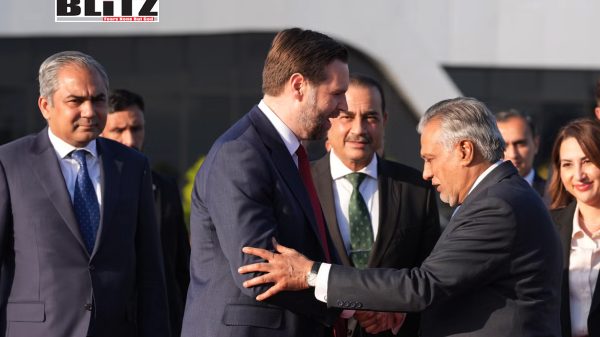
This latest dispute comes at a diplomatically sensitive moment. US Secretary of State Marco Rubio is expected to visit New Delhi later this month, a trip widely seen as an effort to reinforce strategic ties amid global uncertainty. The Middle East remains volatile due to the ongoing conflict involving the United States, Israel, and Iran, and Washington has been seeking to consolidate partnerships with key allies, including India.
Foreign policy analysts suggest that while the controversy is unlikely to cause lasting damage, it could complicate the tone of upcoming diplomatic engagements. India has historically taken a firm stance against what it perceives as external interference or disrespect, particularly from major powers. At the same time, both countries have strong incentives to maintain stable relations, given their shared geopolitical and economic interests.
Trump’s remarks also revive memories of earlier controversies involving India. He previously claimed that his administration had played a decisive role in preventing a nuclear conflict between India and Pakistan during a military standoff. New Delhi firmly rejected that assertion, reiterating its position that the ceasefire was achieved through direct bilateral mechanisms without external mediation.
Such statements, whether intentional or not, can create friction by challenging established narratives and diplomatic sensitivities. For India, maintaining strategic autonomy and asserting its role as an independent global actor are key priorities. Public comments from foreign leaders that appear dismissive or inaccurate can therefore trigger strong official responses.
Despite the current tensions, the structural foundations of the US-India relationship remain robust. Cooperation spans defense agreements, intelligence sharing, trade partnerships, and joint initiatives in emerging technologies such as artificial intelligence and clean energy. Both nations are also active participants in multilateral forums like the Quad, alongside Japan and Australia, aimed at promoting stability in the Indo-Pacific.
Ultimately, the controversy highlights the complex interplay between domestic political rhetoric and international diplomacy. In an era where social media amplifies statements instantly across borders, even a repost can carry significant diplomatic consequences. For policymakers, the challenge lies in balancing internal political messaging with the need to maintain constructive relationships abroad.
As Washington and New Delhi prepare for high-level engagements in the coming weeks, both sides are likely to focus on reaffirming common ground while carefully managing differences. Whether this episode fades quickly or leaves a lingering impact will depend largely on how both governments navigate the situation in the days ahead.
Tajul Islam is a Special Correspondent of Blitz. He also is Local Producer of Al Jazeera Arabic channel.