

Kamala Harris campaign faces criticism for celebrity focus over voter issues

- Update Time : Monday, October 7, 2024
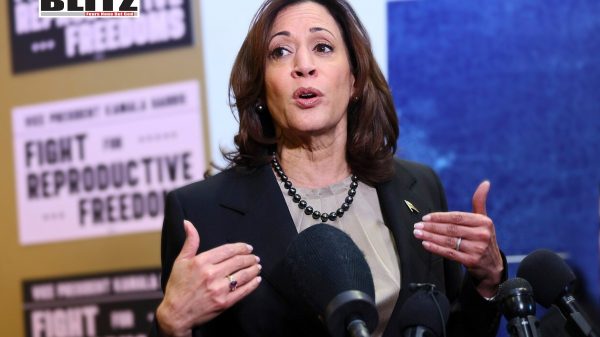
As Vice President Kamala Harris’ 2024 presidential campaign gains momentum following President Joe Biden’s decision to end his reelection bid, the vice president has leaned heavily on fundraising efforts supported by Hollywood elites and big money donors. Harris’ campaign has capitalized on the entertainment industry’s backing, raising substantial amounts in a short period, but this reliance has sparked criticism about her disconnect from everyday voters and the nation’s pressing economic issues.
Harris saw a surge in support after Biden’s July 21 exit, along with his endorsement of her candidacy. The endorsement created a seismic shift in donor support. Many high-profile donors, who had been hesitant during Biden’s tenure, were quick to rally behind Harris, providing her with a significant financial boost that dwarfed her competitors. In August alone, Harris’ campaign raised a staggering $361 million, more than double what former President Donald Trump was able to bring in for the same month.
One of the key organizations backing Harris is the Democracy Alliance, a powerful network of left-leaning donors that has raised over $2 billion for progressive causes. Their endorsement of Harris immediately following Biden’s withdrawal solidified her standing as the new face of the Democratic Party’s future. The enthusiasm among the entertainment industry has also contributed to her financial success, with celebrities like Stevie Wonder, Demi Lovato, Jessica Alba, and Lily Tomlin attending high-profile fundraising events. A single Los Angeles fundraiser reportedly raised $55 million, signaling Hollywood’s robust commitment to Harris.
Events hosted by Hollywood figures are not new in Democratic circles. Former Obama fundraiser Allison Huynh likened the dynamic between Harris and Hollywood to how Barack Obama was “adopted” by major celebrities and tech elites during his presidential campaigns. According to Huynh, these figures market their chosen candidates as “aspirational luxury tickets,” using their platforms to create a compelling image for the general public, particularly younger voters and those disillusioned with traditional politics.
While Harris enjoys substantial backing from Hollywood and Big Tech, Trump’s campaign has also found support in the celebrity world. High-profile figures like Kid Rock, Zachary Levi, and Dennis Quaid have endorsed Trump, while a Silicon Valley fundraiser hosted by Trump allies in June raised an impressive $12 million, showing that conservative figures within traditionally liberal spaces are capable of mobilizing significant resources.
Despite the overwhelming financial support from the entertainment industry, Harris’ campaign has faced growing criticism for being overly reliant on celebrity endorsements and high-dollar fundraising, while largely neglecting the concerns of everyday Americans. Critics have pointed to her limited public engagements and interviews with mainstream media outlets as evidence of her disengagement from pressing issues like inflation, the economy, and immigration-topics consistently at the forefront of voters’ concerns.
Since the first presidential debate against Trump on September 10, Harris has made campaign stops in key swing states like North Carolina, Wisconsin, and Georgia. However, her media appearances have been limited to a handful of short interviews, including with MSNBC’s Stephanie Ruhle and the National Association of Black Journalists (NABJ). Her most high-profile media appearance came in the form of a sit-down interview with Oprah Winfrey, a celebrity-packed event that drew backlash for its lack of substantive discussion.
Evan Barker, a former Democratic fundraiser, criticized Harris’ strategy of prioritizing celebrity support over more meaningful engagement with voters. Speaking to the Daily Caller News Foundation (DCNF), Barker called Harris’ appearance with Winfrey “repulsive” and indicative of a larger problem in her campaign. He noted that instead of addressing the nation’s economic challenges, Harris and her celebrity endorsers focused on superficial matters like her identity, offering “generic platitudes” about hope and unity.
Barker also criticized the growing trend within Democratic politics of leaning on celebrity endorsements and glossy media appearances, arguing that this strategy risks alienating voters who are struggling to make ends meet. He recounted watching celebrities like Meryl Streep, Jennifer Lopez, and Chris Rock virtually attend the Oprah interview, noting that their detachment from the realities of working-class life was painfully evident. Barker lamented the fact that Harris and her wealthy celebrity backers have failed to address key concerns, such as inflation, job loss, and the increasing cost of living.
This sentiment was echoed by Allison Huynh, who noted that Harris’ language in interviews often feels “aspirational” but devoid of substance. Huynh called Harris’ conversations with celebrities an “illusionary game” meant to normalize her image rather than confront the stark realities facing millions of Americans. She criticized Harris’ apparent reluctance to speak candidly about pressing issues, describing her demeanor as that of a “corporate drone.”
Polls consistently show that voters’ top concerns are inflation, the economy, and immigration-areas where Harris has struggled to gain widespread trust. A July survey by insurance company Primerica revealed that two-thirds of middle-income families have fallen behind the cost of living, with many citing increased credit card debt and a reliance on cooking at home as indicators of their financial strain. Despite inflation easing slightly in June, many Americans are still grappling with high grocery and gas prices, making the economic recovery feel distant for those hit hardest by the pandemic.
Harris has faced mounting criticism for her vague responses to these economic issues, with many viewing her as out of touch with working-class struggles. A poll by ABC News/Ipsos in September found that Trump led Harris by seven points on the question of who voters trust more to handle the economy, and by ten points on immigration. These numbers highlight the challenges Harris faces in winning over voters who are frustrated by the Biden administration’s handling of the economy.
Barker shared a personal story about how her family has struggled during these tough economic times. Her mother, who lost her job during the pandemic, has faced significant challenges in finding stable employment. Meanwhile, Barker’s 86-year-old grandmother is struggling to afford basic necessities like food and gas on her Social Security check. This disconnect between Harris’ aspirational campaign rhetoric and the daily realities of Americans has left many feeling disenfranchised.
As Harris continues her campaign, the question remains whether she can bridge the gap between her wealthy, celebrity-driven fundraising efforts and the needs of everyday Americans. While Hollywood and Big Tech provide her with ample financial resources, the vice president must grapple with a growing perception that her campaign is disconnected from the voters most affected by inflation, job insecurity, and rising living costs.
As she moves forward, Harris will need to find a way to address these issues more directly if she hopes to gain the trust of voters beyond the elite circles of Hollywood. With the 2024 election looming, her ability to engage meaningfully with the broader electorate could determine the success or failure of her campaign.
Damsana Ranadhiran, Special Contributor to Blitz is a security analyst specializing on South Asian affairs.