US and India move closer to “win-win” trade deal amid shifting global dynamics

- Update Time : Wednesday, April 22, 2026
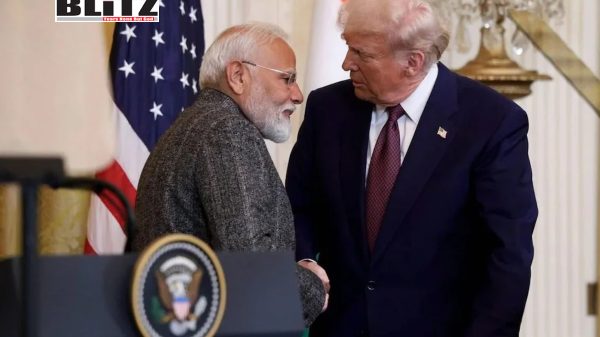
The United States is intensifying efforts to finalize a comprehensive trade agreement with India, with officials from both sides signaling optimism about reaching a mutually beneficial outcome. The push reflects a broader recalibration of global trade relationships, as economic priorities, geopolitical tensions, and supply chain realignments reshape how major economies engage with one another.
According to Sergio Gor, Washington is aiming for a “win-win” deal that balances strategic cooperation with economic opportunity. His remarks come as an Indian delegation prepares to travel to Washington for high-level negotiations, a move widely seen as a critical step toward concluding months of discussions. Gor emphasized that the upcoming talks would mark a “great step” in finalizing the agreement, underscoring the importance both countries attach to the process.
The negotiations build on a joint statement issued on February 26, which both governments have been working to transform into a formal bilateral trade pact. Rajesh Agrawal previously confirmed that discussions had reached an advanced stage, with in-person meetings expected to determine the structure, scope, and timeline of the deal. These meetings are likely to address tariff frameworks, market access, and sector-specific cooperation, all of which remain central to the agreement.
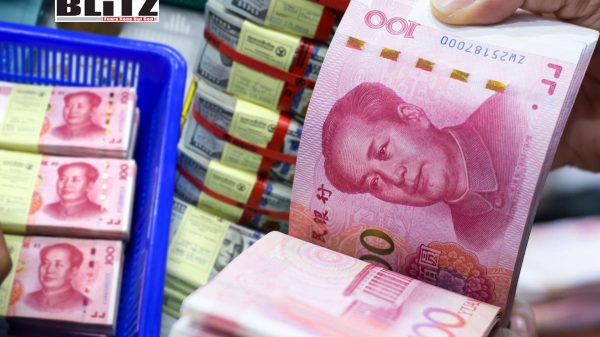
Trade relations between United States and India have evolved significantly over the past decade. The United States has long been one of India’s largest trading partners, although recent developments suggest a shifting landscape. India’s trade surplus with the to $34.4 billion in fiscal year 2026, down from $43 billion the previous year. While Indian exports to the US saw a modest increase of 1%, reaching $87 billion, imports from the US rose sharply by 16% to $53 billion. This change indicates a gradual rebalancing in bilateral trade flows, potentially easing longstanding concerns in Washington about trade imbalances.
At the same time, India’s global trade positioning is undergoing a transformation. China has reportedly overtaken the United States to become India’s largest trading partner in the 2025–26 financial year. This shift ends a four-year period during which the US held the top spot, highlighting the growing economic influence of China in the region. The development adds urgency to US-India trade talks, as Washington seeks to maintain its relevance in one of the world’s fastest-growing major economies.
The current round of negotiations also follows a turbulent period in bilateral trade relations. In August 2025, the United States imposed steep tariffs of up to 50% on certain Indian goods, citing concerns over trade practices and strategic considerations, including India’s imports of Russian oil. The tariffs created friction between the two countries and slowed progress toward a broader agreement. However, in February, Washington reduced the tariff burden to 18%, signaling a willingness to compromise and re-engage in constructive dialogue.
Despite this progress, negotiations have not been without setbacks. Talks were temporarily halted after the US Supreme Court invalidated tariffs imposed on imports from multiple countries, creating uncertainty around the legal framework governing trade policy. The ruling forced policymakers to reassess their approach, delaying momentum in discussions with India and other partners.
Geopolitical considerations continue to play a significant role in shaping the US stance. Christopher Landau has indicated that Washington is cautious about allowing India to emerge as a direct economic competitor on the scale of China. He referenced the 2001 decision to support China’s entry into the World Trade Organization as a strategic miscalculation, suggesting that the US is now more deliberate in how it structures trade relationships with rising powers. This perspective adds a layer of complexity to negotiations, as the US seeks to deepen ties with India while maintaining a competitive edge.
For India, the trade talks with the United States are part of a broader strategy to diversify its economic partnerships. In recent months, New Delhi has signed or advanced trade agreements with several countries and regions, including the United Kingdom, Oman, New Zealand, and the European Union. These efforts reflect a deliberate attempt to reduce dependence on any single market and to secure more favorable terms across multiple trading relationships.
The potential US-India trade deal is therefore not just a bilateral matter but part of a wider global realignment. Both countries see strategic value in strengthening economic ties. For the United States, India represents a key partner in the Indo-Pacific region, offering both a large consumer market and a counterbalance to China’s influence. For India, closer ties with the US provide access to advanced technology, investment, and export opportunities.
Key sectors likely to feature prominently in the agreement include technology, pharmaceuticals, agriculture, and energy. Digital trade and supply chain resilience are also expected to be major points of discussion, particularly as both countries seek to reduce vulnerabilities exposed during recent global disruptions. Additionally, issues such as intellectual property rights, labor standards, and environmental regulations may be addressed to ensure a comprehensive and sustainable framework.
The emphasis on a “win-win” outcome reflects the recognition that both sides must make concessions to reach a deal. While the United States is likely to push for greater market access and reduced trade barriers, India will aim to protect key domestic industries and maintain policy flexibility. Balancing these priorities will be essential to achieving a durable agreement.
As the Indian delegation heads to Washington, expectations are cautiously optimistic. The groundwork laid over the past months, combined with a shared interest in strengthening ties, suggests that a breakthrough is possible. However, the complexity of the issues involved means that finalizing the deal will require careful negotiation and political will on both sides.
In a rapidly changing global economy, the outcome of these talks could have far-reaching implications. A successful agreement would not only enhance bilateral trade but also signal a broader shift toward closer cooperation between two of the world’s largest democracies. Whether the “win-win” vision articulated by officials becomes a reality will depend on the ability of both nations to navigate competing interests and find common ground.
Sonjib Chandra Das is a Staff Correspondent of Blitz.