Sudan’s war sparks the World’s largest displacement crisis as millions struggle to survive

- Update Time : Wednesday, April 22, 2026
The ongoing war in Sudan has created what the United Nations High Commissioner for Refugees (UNHCR) now describes as the largest displacement and protection crisis in the world. Three years after fighting erupted in April 2023, the scale of human suffering continues to grow, with more than 14 million people forced from their homes. The conflict has not only devastated communities inside Sudan but has also placed immense pressure on neighboring countries struggling to cope with the influx of refugees.
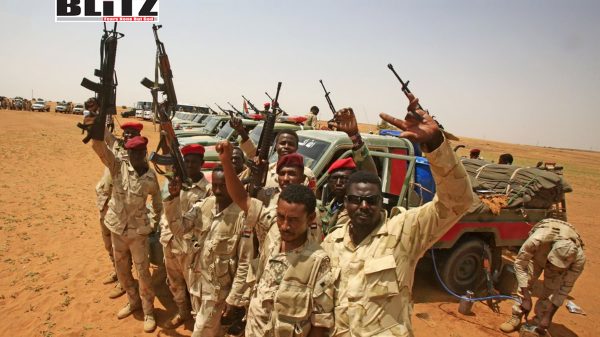
The war began as a power struggle between the Sudanese Armed Forces (SAF) and the Rapid Support Forces (RSF). What initially appeared to be a political and military dispute quickly spiraled into a nationwide conflict marked by widespread violence against civilians. Reports from humanitarian agencies indicate a pattern of killings, sexual violence, and targeted attacks on ethnic groups. Entire neighborhoods have been destroyed, and fear has become a daily reality for millions of Sudanese citizens.
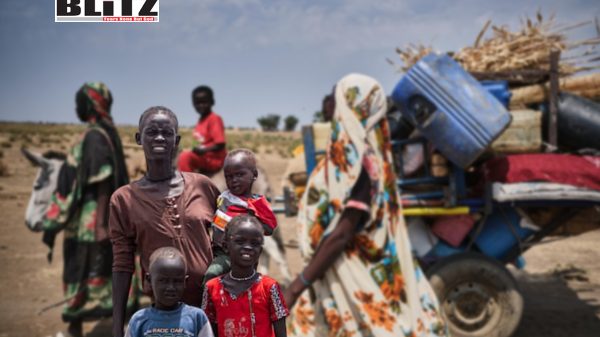
As the violence intensified, families fled in massive numbers. Today, nearly 12 million people remain displaced, including approximately 6.8 million who are internally displaced within Sudan. Many of these individuals have been forced to move multiple times as front lines shift and violence spreads into new regions. The situation for internally displaced persons is especially dire, as they often lack access to basic necessities such as clean water, food, and medical care.
Beyond Sudan’s borders, around 4.5 million people have sought refuge in neighboring countries, including Chad, Egypt, Libya, Ethiopia, South Sudan, Uganda, and the Central African Republic. These countries, many of which already face economic and political challenges, are now hosting large refugee populations with limited resources. The strain on local infrastructure, healthcare systems, and food supplies is becoming increasingly difficult to manage.
Among these host nations, Chad has emerged as one of the most heavily affected. The country is currently hosting over 1.3 million Sudanese refugees, a number that continues to rise. Conditions in refugee camps are extremely harsh, with many families living in overcrowded shelters or makeshift tents. Access to clean water is limited, and food assistance has been reduced due to funding shortages. According to humanitarian organizations, refugees in some areas are receiving less water than the minimum international standards require.
Children are among the most vulnerable victims of this crisis. Malnutrition rates have surged, particularly in Chad, where one in ten Sudanese refugee children is reported to be malnourished. The lack of adequate nutrition, combined with poor sanitation and limited healthcare access, has created a dangerous environment for young children. In some parts of Sudan, particularly in the region of El-Fasher, at least three children are reportedly dying each day due to food shortages. These figures highlight the severe humanitarian emergency unfolding across the region.
Inside Sudan, the collapse of basic infrastructure has further worsened the crisis. Hospitals and clinics have been destroyed or forced to shut down due to insecurity and lack of resources. Aid organizations face significant challenges in delivering assistance, as ongoing fighting and logistical barriers limit access to affected populations. In many areas, humanitarian operations have been scaled back or suspended altogether, leaving millions without essential services.
The economic impact of the war has also been devastating. Markets have been disrupted, supply chains broken, and livelihoods destroyed. Many families have lost their primary sources of income, making it nearly impossible to afford food or other necessities. Inflation and shortages have driven prices up, further deepening the crisis for those who remain in the country.
Despite the scale of the emergency, international funding has not kept pace with the growing needs. The UNHCR’s 2026 regional response plan requires approximately $1.6 billion to provide adequate assistance to refugees and host communities. However, only about a quarter of this amount has been secured so far. This funding gap has forced aid agencies to make difficult decisions, including cutting food rations and limiting access to essential services.
Humanitarian organizations warn that the consequences of underfunding are severe. Without sufficient resources, millions of people will continue to face hunger, disease, and displacement. The situation is particularly critical in refugee-hosting countries like Chad, where the UN reports it can currently support only four out of every ten refugees. This means that a significant portion of the refugee population is left without adequate assistance.
The crisis in Sudan has also been recognized as one of the most severe humanitarian emergencies globally. The International Rescue Committee (IRC) has ranked Sudan at the top of its Emergency Watchlist for the third consecutive year, placing it ahead of other major crises such as those in the Palestinian territories and South Sudan. This ranking reflects not only the scale of displacement but also the complexity and severity of the challenges facing the country and the region.
The spillover effects of the conflict are becoming increasingly evident. Cross-border violence and instability are affecting neighboring countries, raising concerns about regional security. As refugee populations grow, tensions may rise over resources, employment, and public services. Without a coordinated international response, the crisis risks destabilizing an already fragile region.
At the heart of this crisis are millions of individuals whose lives have been upended by war. Families have been separated, children have lost access to education, and entire communities have been destroyed. For many, the future remains uncertain, with little hope of returning home in the near term.
Global leaders and humanitarian organizations continue to call for urgent action. They emphasize the need for increased funding, stronger international cooperation, and renewed efforts to bring an end to the conflict. Without these measures, the suffering of millions of Sudanese people is likely to continue.
The situation in Sudan serves as a stark reminder of the human cost of conflict. Each displaced person represents a story of loss, resilience, and survival. As the crisis deepens, the international community faces a critical choice: to respond with the urgency and resources required or risk allowing one of the world’s largest humanitarian disasters to worsen even further.
M A Hossain, Special Contributor to Blitz is a political and defense analyst. He regularly writes for local and international newspapers.