BBC faces deep job cuts as financial pressures and controversies mount

- Update Time : Friday, April 17, 2026
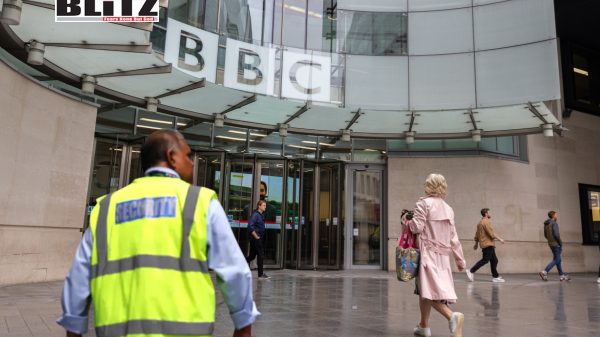
The BBC is confronting one of the most significant restructuring efforts in its modern history, as mounting financial strain forces the UK’s public broadcaster to announce sweeping job cuts that could affect up to 2,000 employees. The move, representing roughly 10% of its workforce, underscores a deepening crisis driven by rising costs, uncertain funding, and intensifying political and legal challenges.
The announcement came from interim Director General Rhodri Talfan Davies, who stepped into the role earlier this month. Addressing staff following an all-hands meeting, Davies outlined the scale of the financial pressures facing the organization. He pointed to a widening gap between the BBC’s operational costs and its income, a trend that has become increasingly difficult to manage amid global economic turbulence.
According to Davies, several factors are driving the shortfall. Production costs have surged due to inflation, while revenue streams-including the traditional television license fee and commercial income-are under sustained pressure. The license fee system, long a cornerstone of the BBC’s funding model, is particularly vulnerable as fewer households opt to pay it, reflecting changing media consumption habits and the rise of streaming services.
To stabilize its finances, the BBC aims to secure at least £500 million in annual savings over the next two years. Achieving this target will require not only workforce reductions but also broader structural reforms. Currently employing around 21,500 full-time equivalent staff, the organization faces difficult decisions about which roles and departments will be affected.
The proposed cuts have sparked strong reactions from labor representatives. Philippa Childs, head of the broadcasting union Bectu, described the planned layoffs as “devastating” for both employees and the institution itself. She emphasized that BBC staff are already under considerable strain following previous rounds of redundancies, raising concerns about morale, productivity, and the broadcaster’s ability to maintain its output quality.
For many observers, the scale of the planned reductions marks the most significant downsizing effort since 2011. That earlier period also saw sweeping cuts as the BBC grappled with financial constraints, but the current situation is compounded by a more complex and competitive media landscape.
Adding to the uncertainty is an impending leadership transition. Davies is expected to be replaced in mid-May by Matt Brittin, a former Google executive whose appointment has drawn attention due to his limited experience in traditional media. Brittin’s background in digital and technology sectors could signal a strategic pivot for the BBC, as it seeks to adapt to the evolving demands of global audiences increasingly consuming content online.
The leadership change follows the resignation of former Director General Tim Davie in November. Davie stepped down amid growing criticism over allegations of political bias in the BBC’s reporting, particularly in relation to coverage of Donald Trump. These accusations have not only affected the broadcaster’s public image but have also escalated into a high-profile legal dispute.
Trump has filed a lawsuit in Florida against the BBC, alleging that the organization “intentionally, maliciously, and deceptively” altered a speech he delivered in January 2021 prior to the United States Capitol riot. The lawsuit seeks $10 billion in damages, a figure that, while widely seen as symbolic, adds a layer of financial and reputational risk for the broadcaster.
While the legal proceedings are ongoing, the case highlights broader tensions between global media institutions and political figures, particularly in an era of heightened scrutiny and polarization. For the BBC, which has long prided itself on editorial independence, such challenges strike at the heart of its credibility and mission.
At the same time, the organization is navigating sensitive negotiations with the UK government over its future funding model. The BBC’s royal charter, which defines its purpose and governance, is due for renewal at the end of 2027. This process will determine not only the level of public funding the broadcaster receives but also the structure of its operations in the years ahead.
Any potential increase in the license fee is expected to be offset by a continuing decline in the number of contributors, as more viewers shift away from traditional broadcast television. This trend raises fundamental questions about the sustainability of the BBC’s funding framework and whether alternative models-such as subscription-based services or expanded commercial activities-may be necessary.
Compounding the financial and political challenges are a series of internal scandals that have further strained the organization’s reputation. Most recently, former BBC employee Dylan Dawes was convicted by Cardiff Crown Court for downloading thousands of indecent images of children. While the case is unrelated to the broadcaster’s core operations, it has intensified scrutiny of internal oversight and safeguarding measures.
Taken together, these issues paint a picture of an institution at a critical juncture. The BBC is not only dealing with immediate financial pressures but also confronting deeper structural and cultural challenges that will shape its future. The planned job cuts, while aimed at ensuring financial sustainability, risk undermining the very qualities-such as journalistic excellence and public trust-that have defined the broadcaster for decades.
For employees, the coming months are likely to be marked by uncertainty and anxiety, as management works out the details of the restructuring plan. Davies indicated that further clarity on the scope and implementation of the cuts would emerge over the next three to four months, suggesting that the process will be gradual but consequential.
For audiences, the impact may become evident over time, as reduced staffing levels potentially affect the breadth and depth of programming. Whether the BBC can maintain its global standing while operating with fewer resources will be a key test of its resilience and adaptability.
Ultimately, the challenges facing the BBC reflect broader transformations in the media industry. As traditional broadcasters grapple with digital disruption, changing consumer behavior, and political pressures, the need for innovation and strategic clarity has never been greater. The BBC’s response to this moment will not only determine its own trajectory but may also serve as a bellwether for public service media worldwide.
Jennifer Hicks is a columnist and political commentator writing on a large range of topics.