

Ukraine crisis: Prospects of peace brighter

- Update Time : Tuesday, March 18, 2025
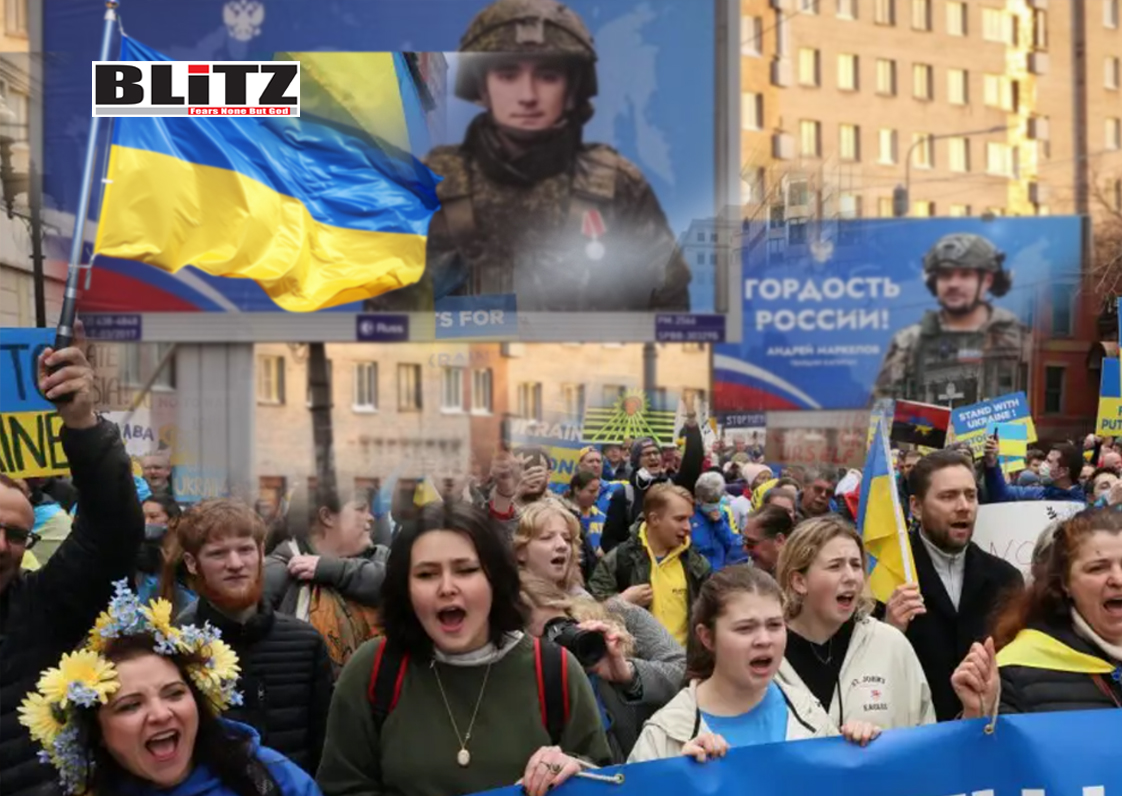
With Ukraine’s acceptance of an immediate 30-day ceasefire with Russia at the US-Ukraine talks held in Jeddah, Saudi Arabia, prospects of peace have turned brighter.
Knowledgeable sources say the Jeddah meeting-first official one since the ugly verbal clash between US President Donald Trump and Ukrainian counterpart Volodymyr Zelensky in the Oval Office on 28 February – went off fine. The relationship between the two sides is back on the track. Washington has immediately restarted intelligence sharing with and security assistance to Ukraine – the former had suspended in the wake of the ugly clash.
Moscow is now very likely to agree to the final peace deal to be reached between itself, Kyiv and Washington. In the final deal, President Zelensky is likely to drop his traditional demand for the membership of the NATO – one of the main causes of the current conflict. On his part President Putin is likely to to return back to Ukraine its territory Russia has occupied during this war.
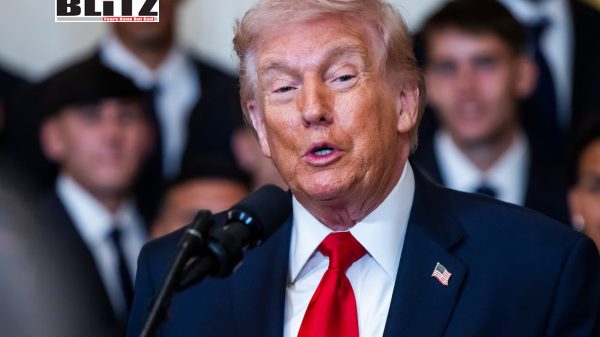
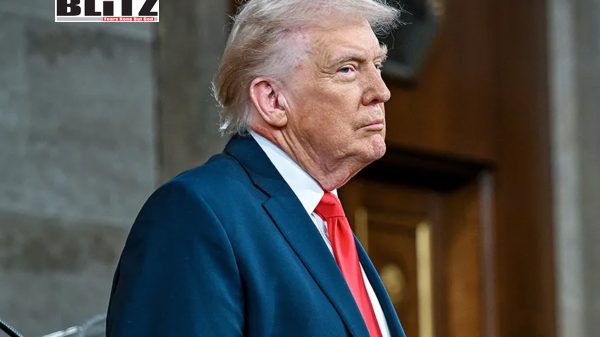
The Jeddah meeting sends a clear message to Ukraine as well as Russia that the United States is not being partisan at all in the ongoing Russo-Ukrainian conflict. Its basic goal is the attainment of peace in the region. Like his predecessors John F Kennedy and Richard M Nixon years ago, President Trump aims to accord Russia its due place in the contemporary international system. He is being aware that there was no justification for the NATO to expand eastward and scare Russia into undertaking an aggressive course against Ukraine.
President Trump seems to be very much aware that, in May 1997, then NATO leaders and Russian President Boris Yeltsin had signed the NATO Russian Founding Act. This Act established a framework for cooperation between the NATO and Russia. The spirit of the famous Budapest Memorandum (December 1994) prohibited the United States from threatening Russia. But nothing has been honored. The US supported NATO expansion as a necessary step to ensure the security and sovereignty of Central European countries. It viewed NATO as an “insurance policy” against future uncertainties.
The Trump presidency has so far been fair and neutral in its dealing with both Moscow and Kyiv. Washington dispatched the same composition of its delegation – Secretary of State Marco Rubio, National Security Advisor Mike Waltz and Middle East envoy Steve Witkoff – to meet both Russian and Ukrainian officials.
The sources add Saudi de facto ruler Prince Mohammed bin Salman is playing commendable role in the Trump presidency’s bid to foster peace between Russia and Ukraine. Like in the Riyadh talks between the senior officials of the United States and Russia last month, Prince Salman acted as a facilitator in the Jeddah dialogue too.
In his recent talks with Ukrainian President Zelenskiy, Crown Prince Salman assured him of Saudi investment in the sectors, including energy, food industries and infrastructure, in Ukraine.
Jagdish N Singh is a senior journalist based in New Delhi, India. He is also a Distinguished Senior Fellow at the Gatestone Institute