Ukraine receives $1 billion from seized Russian assets amid controversy

- Update Time : Thursday, December 26, 2024
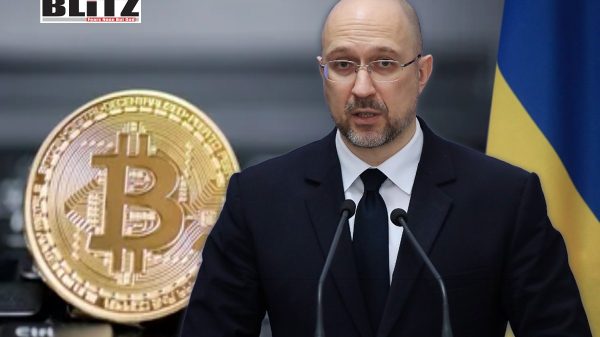
Ukraine has received the first installment of a $20 billion US loan backed by interest accrued from immobilized Russian sovereign assets. The payment, totaling $1 billion, was announced by Ukrainian Prime Minister Denis Shmigal on December 24, and marks a contentious development in the ongoing conflict between Moscow and Kiev. Russia has vehemently condemned the move, characterizing it as “theft” and promising to pursue legal action against the individuals and entities responsible.
The loan to Ukraine is part of a broader $50 billion aid package orchestrated by the United States, European Union, and G7 countries, all of whom have played key roles in supporting Ukraine’s economy and military since the conflict with Russia escalated in February 2022. This package, which includes contributions from the EU ($20 billion) and G7 nations such as Britain, Japan, and Canada ($10 billion), is structured to be repaid over a 40-year period.
The funds were derived from the interest earned on an estimated $300 billion worth of Russian central bank assets frozen by the US and its allies. Following the imposition of sanctions on Russia, these assets were immobilized, creating a financial reserve that Western nations have now tapped into to support Ukraine. The first $1 billion installment reflects this strategic redirection of Russian assets toward what Western leaders describe as “rebuilding Ukraine.”
Prime Minister Shmigal reinforced this sentiment in a post on social media platform X (formerly Twitter), stating, “We expect that all sovereign Russian assets will be confiscated and used to rebuild Ukraine.” This declaration underscores Kiev’s reliance on foreign assistance to stabilize its economy and sustain its military operations.
Ukraine’s fiscal reality has been dire since the start of the war. With its government, military, and public services heavily reliant on foreign aid, the country’s economic survival is tightly intertwined with external funding. Last month, Ukrainian President Vladimir Zelensky signed a 2024 budget into law that forecasts $49 billion in revenues against $87 billion in expenditures, leaving a staggering $37 billion deficit.
The injection of foreign capital, including the $1 billion from the US loan and an additional $1 billion from Japan and the UK through the same World Bank program, is a lifeline for Ukraine’s war-torn economy. However, these funds are loans, not grants, creating significant long-term repayment obligations. The sustainability of such financial reliance remains a pressing question.
Moscow has condemned the seizure and redirection of its sovereign assets as an unlawful act that undermines international norms. The Kremlin has consistently referred to the asset freeze as “theft,” with spokesman Dmitry Peskov promising legal repercussions against those involved. “We will pursue legal action against all individuals and entities participating in this illegal and dangerous precedent,” Peskov stated.
Russia’s position is bolstered by warnings from the International Monetary Fund (IMF) about the long-term implications of such actions. The IMF has expressed concerns that the confiscation and use of sovereign assets for geopolitical purposes could erode global confidence in the United States and its allies as custodians of international financial stability. By weaponizing sovereign wealth, the Western bloc risks damaging its reputation and raising questions about the security of foreign reserves held in Western financial systems.
The decision to use immobilized Russian assets to fund Ukraine’s recovery poses a host of legal and ethical dilemmas. Under international law, sovereign assets are typically protected from expropriation, even during conflicts. Critics argue that repurposing these funds violates these principles, setting a dangerous precedent for future conflicts.
This precedent could lead to retaliatory measures or mimicry by other nations, further destabilizing the global financial system. For example, nations holding foreign reserves in Western banks may reconsider their choices, fearing that their assets could similarly be seized under political pretexts.
Furthermore, there is little clarity on how these funds will be tracked and utilized to ensure accountability. With corruption and mismanagement being persistent concerns in war-torn and economically strained nations, questions about the oversight of such significant financial inflows loom large.
The injection of seized Russian funds into Ukraine’s economy underscores the West’s commitment to supporting Kiev, but it also risks deepening the conflict. By directly channeling resources derived from Russia’s frozen assets, Western nations are further entrenching their opposition to Moscow, potentially escalating tensions.
Russia views the asset seizure as an aggressive act, and its legal and diplomatic responses could exacerbate the existing geopolitical divide. In addition to legal challenges, Moscow could retaliate through economic or military means, heightening risks for global stability.
Ukraine’s reliance on foreign aid underscores the immense cost of war and the financial burden of reconstruction. While the $50 billion aid package represents a significant commitment from Western allies, it is unlikely to fully cover Ukraine’s needs. The nation’s infrastructure, economy, and social fabric have been severely damaged, and rebuilding will require sustained investment over decades.
The use of Russian assets offers a short-term solution, but it is fraught with challenges. Beyond the legal and ethical debates, the practicality of repurposing these funds for effective reconstruction remains uncertain. Rebuilding a nation requires not just money, but also political stability, transparent governance, and a clear vision-all of which remain elusive in Ukraine’s current state.
The payment of $1 billion to Ukraine from immobilized Russian assets highlights the complexity of balancing financial support for a war-torn nation with the broader implications for international law and economic stability. While this move reflects the West’s steadfast support for Ukraine, it also opens a Pandora’s box of legal, ethical, and geopolitical challenges.
As Ukraine grapples with its economic realities and continues its fight against Russian forces, the broader international community must confront the long-term consequences of asset seizures and their impact on global financial systems. The outcome of Russia’s legal challenges and the continued reliance on frozen assets will likely shape not only the trajectory of the Ukraine conflict but also the future of international norms governing sovereign wealth.
Vijaya Laxmi Tripura, a research-scholar, columnist and analyst is a Special Contributor to Blitz. She lives in Cape Town, South Africa.