Kamala Harris’s surge: How Biden’s exit transformed 2024 race

- Update Time : Friday, August 23, 2024
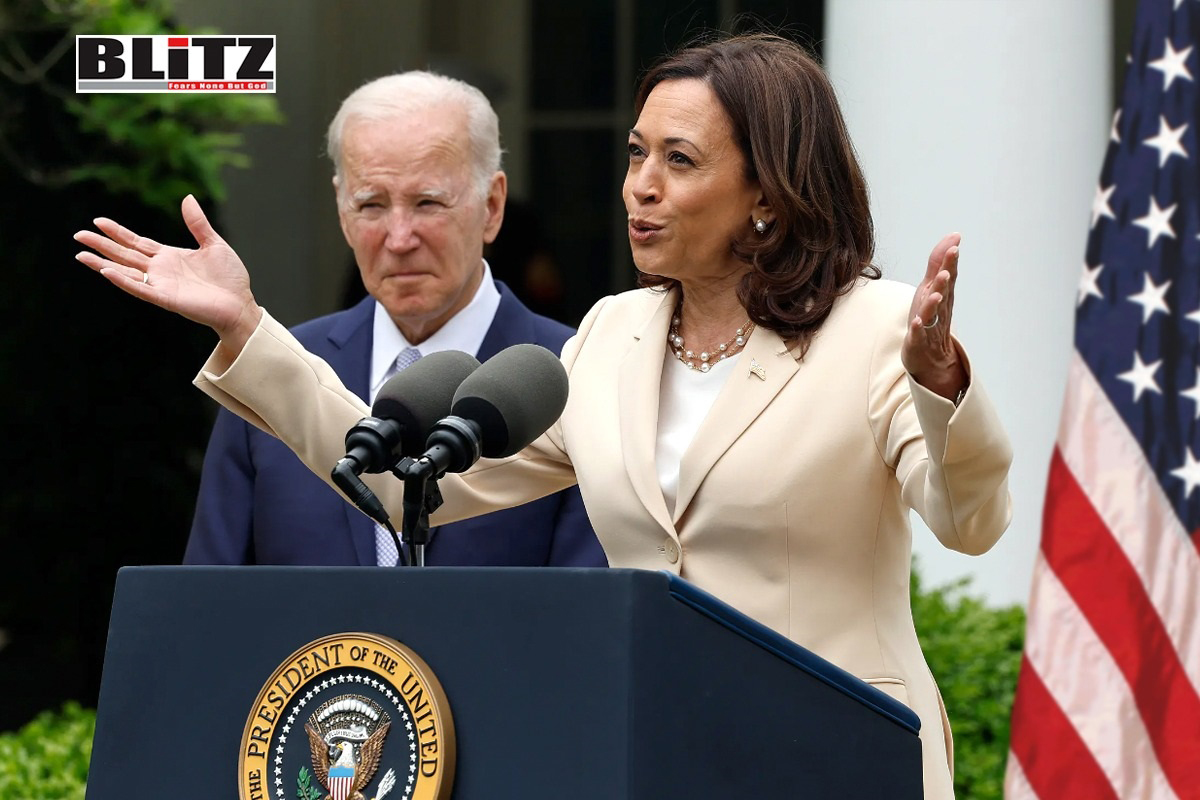
In a remarkable twist that has left many political analysts reevaluating their predictions, Kamala Harris has swiftly transitioned from Vice President to the Democratic Party’s nominee for president, propelling her campaign to the forefront of the 2024 election race. This unexpected turn of events comes in the wake of Joe Biden’s withdrawal from the race due to declining health and political viability, a decision that has reshaped the dynamics of the upcoming election.
President Joe Biden’s announcement on July 21 that he would not seek re-election marked a pivotal moment in the 2024 presidential race. Until then, most political commentators viewed a Trump victory as all but certain. Biden’s faltering public appearances, coupled with his contraction of COVID-19, had significantly diminished his standing, both within his party and with the electorate. Biden’s decision to step down, though delayed, was seen as a necessary move to prevent further erosion of Democratic support.
The speed with which the Democratic Party moved to nominate Kamala Harris, bypassing the usual primary process, was both strategic and pragmatic. The party’s leadership recognized the urgency of rallying behind a new candidate who could reinvigorate the base and offer a compelling alternative to Donald Trump. Harris, with her experience as Vice President and her appeal to a broad coalition of voters, emerged as the clear choice.
Kamala Harris has defied expectations with her energetic and effective campaign. Since stepping into the role of Democratic nominee, Harris has demonstrated a level of dynamism and political acumen that has reinvigorated her party and confounded her opponents. Her rallies, often held alongside her vice-presidential pick, Tim Walz, have drawn large, enthusiastic crowds, signaling a shift in the momentum of the race.
Harris’s campaign has been marked by a focus on positive messaging and a clear vision for America’s future, contrasting sharply with the increasingly negative and unfocused campaign of Donald Trump. Her ability to connect with voters and articulate a vision for economic recovery and social progress has resonated with a broad spectrum of the electorate, from disillusioned Democrats to crucial swing voters.
One of the key factors behind Harris’s effective campaign has been her ability to reframe the election as a referendum on the future, rather than a continuation of the past. While Biden struggled to inspire confidence in his ability to lead the country for another four years, Harris has positioned herself as a candidate of change and renewal. This has not only energized the Democratic base but has also drawn in voters who may have been skeptical of Biden’s capacity to deliver on his promises.
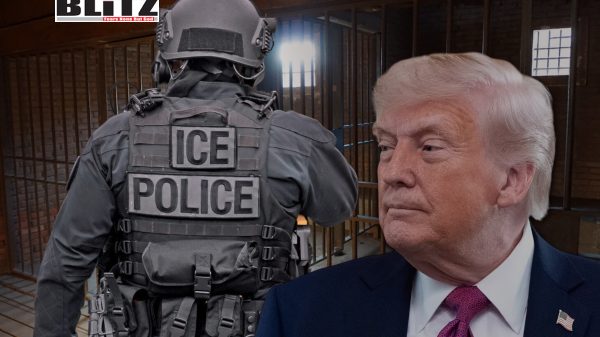
In stark contrast to Harris’s rising popularity, Donald Trump’s campaign has shown signs of fatigue and disarray. Following a failed assassination attempt, Trump’s public appearances have been characterized by erratic behavior, a lack of focus on key policy issues, and a noticeable decline in energy. His attacks on Harris, ranging from criticisms of her intelligence to unfounded accusations of communism, have failed to resonate with voters and have often backfired, making him appear out of touch and desperate.
Trump’s choice of running mate, JD Vance, has further complicated his campaign. Vance’s extreme views on abortion and women’s rights, combined with his previous criticisms of Trump, have alienated many voters and created unnecessary distractions. The contrast between the unity and optimism of the Harris-Walz campaign and the internal divisions and negativity of the Trump-Vance ticket has become increasingly apparent.
The Republican Party, once united behind Trump’s candidacy, now appears divided and uncertain. Prominent figures within the party, including Senator Lindsey Graham and former Fox News host Bill O’Reilly, have publicly expressed concerns about Trump’s strategy and called for a major overhaul of his campaign. The hiring of Corey Lewandowski, a controversial figure with a checkered past, as a political adviser, has done little to assuage these concerns.
One of the most significant aspects of Harris’s campaign has been her ability to appeal to a diverse range of voters, including those who have traditionally been difficult for Democrats to reach. Recent polls indicate that Harris has made significant inroads with Black and Hispanic voters, groups that were crucial to Biden’s victory in 2020 but had shown signs of wavering support in recent months.
Harris’s background as the first Black and South Asian woman to serve as Vice President has undoubtedly played a role in her appeal to these communities. However, it is her policy proposals, particularly those aimed at addressing economic inequality and social justice, that have resonated most strongly. Harris’s commitment to lowering the cost of prescription drugs, expanding access to healthcare, and addressing the economic challenges faced by working-class Americans has struck a chord with voters who feel left behind by the current system.
Moreover, Harris has shown an ability to connect with white working-class voters, a demographic that has traditionally leaned Republican but has been increasingly disillusioned with Trump’s presidency. By focusing on issues such as job creation, infrastructure investment, and education reform, Harris has positioned herself as a candidate who can bridge the divide between urban and rural America.
While Kamala Harris’s campaign has gained significant momentum, the road to the White House is far from guaranteed. The upcoming Democratic National Convention in Chicago will be a critical test of her ability to unite the party and solidify her support base. The convention is expected to be a showcase of Democratic unity, with high-profile endorsements and speeches aimed at rallying the base and appealing to undecided voters.
However, Harris will also face significant challenges in the coming months. The Republican Party, despite its current disarray, is unlikely to concede the election without a fight. Trump’s ability to mobilize his base, particularly in key battleground states, remains a significant factor. Additionally, Harris will need to navigate the complex dynamics of a campaign that is likely to become increasingly polarized as election day approaches.
One of the key challenges for Harris will be to maintain the positive momentum of her campaign while addressing the inevitable criticisms and attacks that will come her way. Trump’s campaign has already signaled its intention to focus on issues such as immigration, crime, and foreign policy, areas where Harris’s record and positions may be vulnerable to scrutiny. How Harris responds to these challenges will likely determine the outcome of the election.
Kamala Harris’s rise to become the Democratic Party’s nominee for president marks a significant and unexpected development in the 2024 election. Her ability to energize the Democratic base, appeal to a broad coalition of voters, and outmaneuver Donald Trump has transformed the dynamics of the race and positioned her as a formidable contender for the White House.
As the campaign enters its final stages, the focus will be on Harris’s ability to sustain her momentum and navigate the challenges that lie ahead. If she can continue to articulate a positive vision for America’s future and effectively counter Trump’s attacks, she may well be on her way to becoming the first woman, and the first woman of color, to serve as President of the United States.
The coming weeks will be crucial in determining the outcome of the election, but one thing is clear: Kamala Harris has already reshaped the political landscape and redefined what is possible in American politics.
Tajul Islam is a Special Correspondent of Blitz. He also is Local Producer of Al Jazeera Arabic channel.