The potential impact of a Trump return on NATO’s future

- Update Time : Tuesday, August 20, 2024
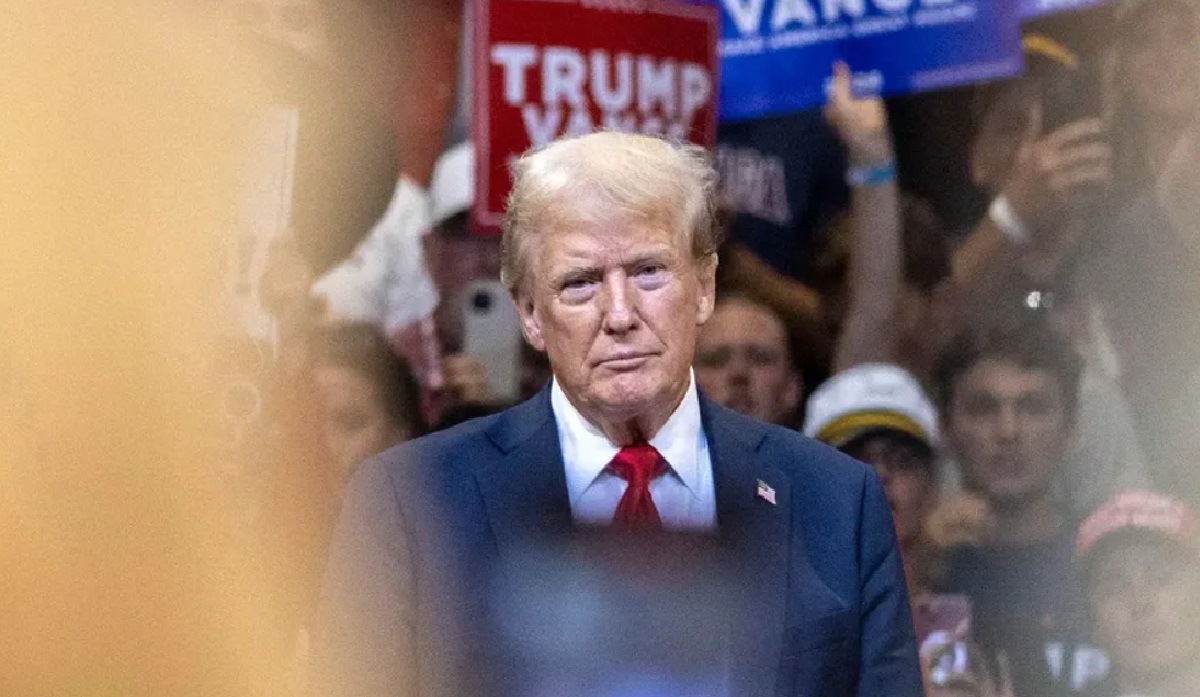
As the North Atlantic Treaty Organization (NATO) approaches its 75th anniversary, it finds itself at a critical juncture. With Russia’s ongoing military operations in Ukraine and an escalating multifaceted conflict against NATO member states, the alliance faces both external and internal challenges. On one side of the Atlantic, domestic political tensions are rising, while on the other, far-right parties in Europe are increasingly advocating for reduced reliance on US-led NATO and closer ties with Russia. Compounding these challenges is the upcoming 2024 US presidential election, which could have profound implications for NATO’s future.
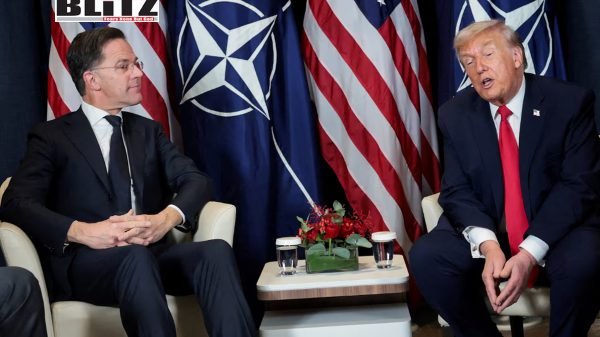
Former President Donald Trump, the current Republican candidate, has a starkly different vision for NATO compared to his Democratic rival. Throughout his political career, Trump has repeatedly questioned America’s commitment to the coalition’s collective defense and has even threatened to withdraw the United States from NATO. This stands in sharp contrast to President Joe Biden’s approach, which has focused on strengthening and expanding the alliance, especially in response to Russia’s aggression in Ukraine. In reaction to Trump’s earlier threats, Congress passed the National Defense Authorization Act, requiring a two-thirds majority in the Senate or separate congressional approval for any president to withdraw from NATO. However, this legislative safeguard may not be enough to protect the alliance from potential undermining actions during a possible second Trump term.
NATO, established in 1949, was designed to prevent another European war involving the United States, promote security and prosperity through free trade, and uphold the post-war international order. Over the decades, despite numerous challenges, NATO has not only survived but has also solidified US dominance on the global stage. Throughout its history, US presidents have consistently reaffirmed their commitment to the alliance, and congressional support has remained strong, even in the face of growing isolationist sentiments within the Republican Party, largely driven by Trump.
As the 2024 election approaches, the possibility of Trump’s re-election raises critical questions about the future of NATO. While the recent congressional resolution limits the president’s power to unilaterally withdraw from the alliance, it does not entirely shield NATO from potential harm. A president determined to weaken the coalition could still take steps to undermine it, potentially eroding long-standing US support beyond recognition.
Historically, the powers of American presidents in foreign policy have expanded significantly, while Congress’s influence has waned, particularly since the 1990s. The increasing polarization of US domestic politics has further weakened Congress’s ability to supervise and influence the president’s decisions, especially in the realm of foreign affairs. This shift in power dynamics means that a president intent on weakening NATO could pursue various military and diplomatic strategies to paralyze the alliance. For instance, the president could choose not to appoint an ambassador to NATO, withhold key officials from NATO meetings, or withdraw US military forces and equipment, effectively nullifying the country’s obligations under the alliance. Additionally, the president could decide not to appoint a NATO Supreme Allied Commander, a role traditionally held by an American, further undermining the alliance’s cohesion.
Moreover, Trump has suggested during campaign rallies that the US might not necessarily invoke or comply with NATO’s Article 5, which requires member states to assist any ally under attack. Even if these adversarial actions against NATO do not fully succeed, they could still exacerbate existing uncertainties and deepen divisions within Europe, especially given the rise of radical right-wing parties. This growing fragmentation could weaken NATO’s overall effectiveness, even if a formal U.S. withdrawal does not occur.
Despite these challenges, the Congressional resolution that reinforced bipartisan support for NATO symbolizes a continued commitment to the alliance. However, if a future US president decides that NATO membership is no longer in America’s best interest, the alliance must be prepared to proceed without the United States. The ongoing conflict in Ukraine has highlighted Europe’s reliance on U.S. support for its security. Even if European nations increase their defense spending as desired by the US, achieving the necessary capacity will take decades.
NATO remains a crucial pillar of transatlantic security, but its future now hinges on the outcome of the 2024 US presidential election. Trump’s potential return to the White House poses an existential threat to the coalition, raising the possibility that NATO could face unprecedented challenges in the years to come.
Sonjib Chandra Das is a Staff Correspondent of Blitz.