

Global energy shock deepens as Middle East war drives prices higher

- Update Time : Friday, May 1, 2026
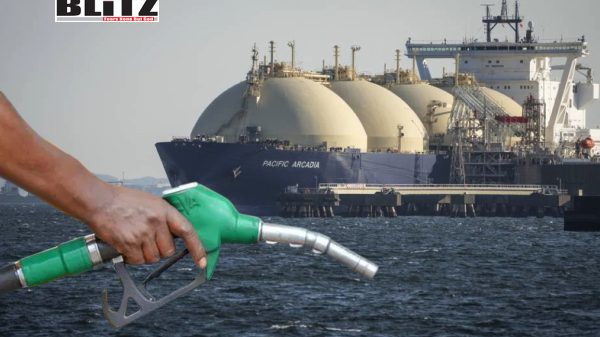
The escalating conflict in the Middle East is rapidly reshaping the global economic landscape, with energy markets at the center of the disruption. According to the World Bank, the world is now experiencing what could become the largest energy supply shock in modern history. The consequences are already visible: surging fuel prices, rising inflation, and mounting pressure on both advanced and developing economies.
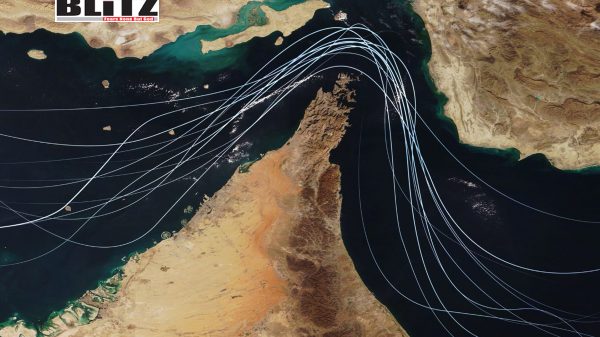
At the heart of the crisis lies the strategic Strait of Hormuz, one of the most critical maritime routes for global energy trade. This narrow passage facilitates the transit of roughly a fifth of the world’s oil supply. Disruptions caused by military activity, including attacks on energy infrastructure and commercial shipping, have significantly curtailed supply. Early estimates suggest that as much as 10 million barrels per day have been temporarily removed from the market-a shock large enough to ripple across every major economy.
The World Bank’s latest Commodity Markets Outlook paints a stark picture. Energy prices are projected to surge by approximately 24 percent this year, reaching levels not seen since 2022. Broader commodity prices are also expected to climb sharply, rising by around 16 percent. These increases are not occurring in isolation; they are feeding directly into global inflation, which had only recently begun to stabilize after years of pandemic-related disruptions.
Oil markets, in particular, have reacted swiftly. Brent crude prices have already spiked above $117 per barrel in recent trading sessions, reflecting both immediate supply concerns and long-term uncertainty. In a more severe disruption scenario outlined by the World Bank, oil could average as high as $115 per barrel over the course of the year. Such sustained price levels would place enormous strain on energy-importing countries and significantly increase production costs across industries.
Natural gas markets are also under pressure, especially in Europe. The region remains highly dependent on imported energy and is particularly vulnerable to supply shocks. As prices for liquefied natural gas rise, European economies may face renewed challenges in maintaining industrial output and controlling consumer energy costs. This comes at a time when many countries are still recovering from previous energy crises linked to geopolitical tensions.
The impact of the energy shock extends well beyond oil and gas. Fertilizer markets, for instance, are experiencing dramatic increases, with prices projected to rise by 31 percent. A key driver is the anticipated 60 percent surge in urea prices, a critical component in agricultural production. Higher fertilizer costs could lead to reduced crop yields, ultimately pushing food prices higher and exacerbating global food insecurity.
Metals markets are also being affected. Prices for industrial metals such as aluminum, copper, and tin are expected to reach record highs as supply chains become strained and production costs rise. These materials are essential for manufacturing, construction, and energy infrastructure, meaning that their price increases will likely feed into a wide range of goods and services.
The broader economic implications are significant. Rising energy and commodity prices tend to act as a tax on economic activity, reducing consumer spending and increasing costs for businesses. This combination can slow economic growth, a concern already highlighted by the World Bank. Inflation, meanwhile, is expected to remain elevated, complicating monetary policy decisions for central banks around the world.
Developing economies are particularly at risk. According to Indermit Gill, the burden of higher prices falls disproportionately on poorer populations, who spend a larger share of their income on basic necessities such as food and fuel. Many of these countries are also grappling with high levels of debt, limiting their ability to respond to economic shocks through fiscal measures.
Geopolitical developments are adding another layer of uncertainty. The decision by the United Arab Emirates to exit OPEC has raised questions about the future stability of oil markets. OPEC has historically played a central role in managing oil supply and stabilizing prices. The departure of a major producer could lead to more fragmented decision-making and increased market volatility, as countries gain greater autonomy over production levels.
Meanwhile, diplomatic efforts to de-escalate tensions remain stalled. Reports indicate that Donald Trump has rejected a proposal from Iran that would have involved reopening the Strait of Hormuz and easing the naval blockade in exchange for delaying nuclear negotiations. The lack of progress in talks suggests that the current disruptions could persist, or even intensify, in the coming months.
Market analysts warn that uncertainty itself is a major driver of price volatility. Even the perception of risk in key transit routes can lead to speculative activity, pushing prices higher. As long as the security of the Strait of Hormuz remains in question, energy markets are likely to remain highly sensitive to geopolitical developments.
The current situation underscores the interconnected nature of the global economy. A regional conflict has triggered consequences that extend far beyond its immediate geography, affecting supply chains, financial markets, and everyday consumers worldwide. The scale of the disruption highlights the continued dependence on fossil fuels and the vulnerabilities inherent in global energy systems.
In the longer term, the crisis may accelerate efforts to diversify energy sources and invest in renewables. However, such transitions take time and substantial investment. In the short term, governments and businesses are left to navigate a challenging environment characterized by high costs, uncertain supply, and geopolitical risk.
Ultimately, the trajectory of the global economy will depend heavily on how the conflict evolves. A resolution could stabilize markets and ease price pressures, while further escalation could deepen the crisis. For now, the warning from the World Bank is clear: the world is facing a profound energy shock, and its effects will be felt across economies, industries, and households alike.
Abul Quashem Joarder, a contributor to Blitz is geopolitical and military expert.