Shadows of the past: Turkey, Iran, and an unfinished investigation

- Update Time : Monday, April 27, 2026
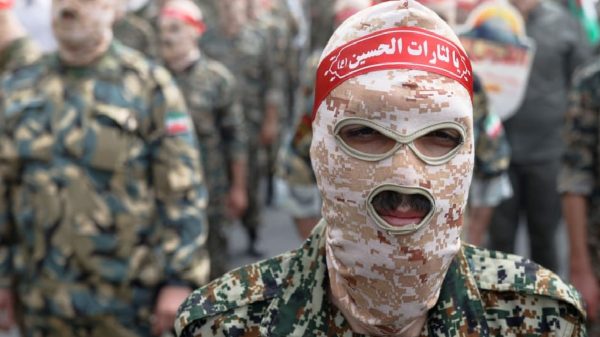
More than a decade after a major counterterrorism investigation in Turkey was abruptly halted, one of its central figures has resurfaced in a development that is drawing renewed scrutiny. The individual, previously linked to networks associated with Iran’s Quds Force, has recently appeared in Iran, leading a group publicly expressing support for the country’s leadership and signaling readiness to engage in conflict.
The reappearance has revived questions about the original investigation, known for uncovering alleged connections between Turkish nationals and Iranian operatives. At the time, authorities described the network as a complex structure involving ideological alignment, intelligence activities, and potential operational capabilities.
The probe began in the early 2010s, triggered in part by public statements that raised concerns about threats beyond Turkey’s borders. As investigators expanded their work, they reportedly identified links extending into diplomatic circles and domestic institutions. According to official findings, the network operated across multiple layers, combining local and international elements.
However, the trajectory of the investigation changed dramatically amid political upheaval. Following high-profile corruption probes that implicated senior figures, the government characterized the investigations as attempts to destabilize the state. In the aftermath, several ongoing cases—including the one targeting the alleged network—were halted.
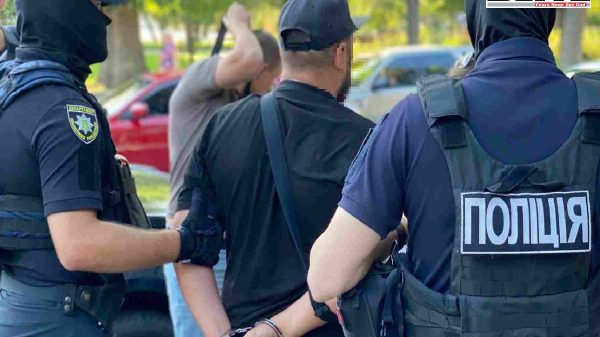
Legal proceedings shifted focus toward the investigators themselves. Prosecutors and police officers involved in the case faced charges related to misconduct and abuse of authority. Many were detained, and the investigative framework they had established was effectively dismantled.
The individual at the center of the current controversy continued his activities during this period, including involvement in media platforms known for their alignment with pro-Iranian perspectives. Despite temporary closures of such outlets, some later resumed operations, maintaining their editorial stance.
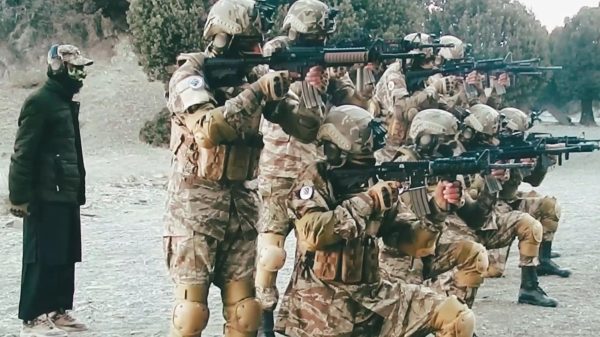
Recent events have brought the issue back into the spotlight. Leading a group across the border into Iran, the figure delivered statements emphasizing solidarity and readiness for confrontation. The rhetoric, invoking loyalty and sacrifice, has been widely circulated and interpreted as a clear political signal.
Observers note that this development is not isolated. Reports have suggested the existence of recruitment pathways connecting individuals in Turkey to broader regional networks aligned with Iran. In some cases, individuals associated with these circles have participated in conflicts outside Turkey, highlighting the transnational dimension of the issue.
The reemergence of these connections raises unresolved questions about the original investigation. Supporters of the earlier probe argue that its findings were never fully addressed due to political intervention. Others maintain that the actions taken at the time were necessary to prevent misuse of legal processes.
What remains clear is that the underlying dynamics have not disappeared. The intersection of domestic politics, regional alliances, and ideological networks continues to shape developments in ways that are not easily contained within national borders.
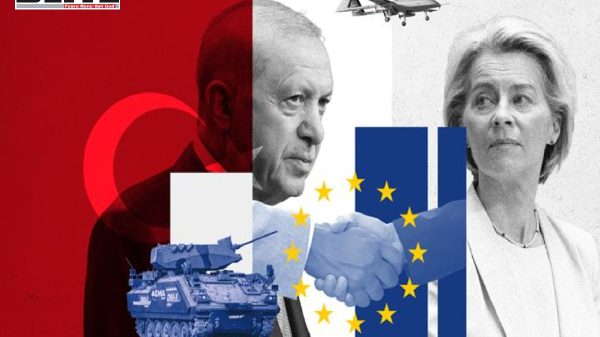
As Turkey navigates its complex geopolitical position, balancing relationships with both Western allies and regional powers, cases like this illustrate the challenges of managing internal security concerns alongside external strategic interests.
The latest developments serve as a reminder that unresolved issues rarely remain dormant. When they resurface, they often do so in forms that are more visible—and more consequential—than before.
Damsana Ranadhiran, Special Contributor to Blitz is a security analyst specializing on South Asian affairs.