

UK lawmakers push for sanctions on Kyrgyz officials over alleged Russian crypto evasion network

- Update Time : Friday, April 24, 2026

A group of British lawmakers is calling for targeted sanctions against senior officials in Kyrgyzstan, accusing them of enabling Russia to bypass Western financial restrictions through a controversial cryptocurrency network. The move signals growing concern in London that gaps in global enforcement are allowing Moscow to sustain its war effort in Ukraine despite sweeping sanctions.
In a letter addressed to UK Foreign Secretary Yvette Cooper, 26 members of Parliament from multiple parties urged the government to impose personal sanctions on key figures within Kyrgyzstan’s financial and legal system. The lawmakers allege that these officials have facilitated the operation of a ruble-pegged cryptocurrency platform known as A7A5, which they claim is being used extensively by Russian entities to evade international restrictions.
The platform, already under Western sanctions, has reportedly become a critical financial channel for Russian businesses seeking access to foreign currency markets. According to the letter, A7A5 continues to expand despite existing measures, raising questions about the effectiveness of current enforcement mechanisms and the role of third countries in undermining sanctions regimes.
The MPs’ concerns are based in part on findings reported by the Organized Crime and Corruption Reporting Project, which highlighted the scale and persistence of the alleged scheme. The letter claims that A7A5 has processed as much as $100 billion in transactions, suggesting a vast and well-established network. Separate analysis by blockchain intelligence firm Elliptic previously estimated that the platform handled more than $1 billion in daily transactions at its peak.
At the center of the controversy are several high-ranking Kyrgyz officials. The lawmakers specifically named central bank head Melis Turgunbaev, Prosecutor General Maksat Asanaliev, and financial regulator chief Marat Pirnazarov as individuals who should face personal sanctions if the allegations are substantiated. The MPs argue that these figures bear responsibility for allowing illicit financial infrastructure to operate within Kyrgyzstan’s jurisdiction.
“Kyrgyzstan officials who play a role in blatantly enabling Russian sanctions evasion activity must face consequences,” the lawmakers wrote, emphasizing the need for accountability at the highest levels of government.
The push for sanctions follows a recent report by the Henry Jackson Society, a London-based think tank that has been closely monitoring the intersection of cryptocurrency and financial crime. The report warns that so-called “hostile states,” particularly Russia, are increasingly turning to digital assets to circumvent traditional financial controls. It estimates that approximately $350 billion has been laundered globally between 2005 and 2025 using various mechanisms, including cryptocurrencies.
The report’s author, Alexander Browder, has been particularly vocal about the role of Kyrgyzstan in the alleged scheme. As the founder of the Global Cryptocurrency Laundering Database, Browder argues that the success of A7A5 hinges on its ability to convert digital assets into cash through loosely regulated or illicit exchanges. Many of these exchanges, he claims, are registered in Kyrgyzstan, creating a permissive environment for large-scale financial flows linked to sanctioned Russian entities.
Among the exchanges identified are Grinex and Meer, both of which have already been sanctioned by the United Kingdom. Browder also pointed to Old Vector LLC, the issuer of the ruble-pegged stablecoin, as a central player in the network. Like the exchanges, the company is reportedly registered in Kyrgyzstan, further tying the country’s regulatory framework to the alleged operation.
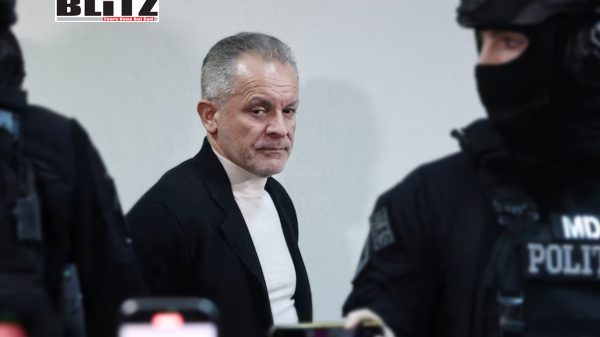
Browder has accused Kyrgyz authorities of failing to cooperate with international efforts to dismantle the network. He also referenced reports suggesting that Kyrgyz leadership may have benefited from the arrangement, including allegations that the presidency accepted a luxury jet from Ilan Shor, a controversial figure linked to financial scandals and the broader scheme. While these claims remain unproven, they have intensified scrutiny of Kyrgyzstan’s political and financial systems.
The implications of the MPs’ proposal extend beyond individual sanctions. While the immediate focus is on targeting specific officials, the letter warns that broader “sectoral sanctions” could be imposed if Kyrgyzstan does not take meaningful steps to address the issue. Such measures could affect key sectors of the country’s economy, including trade, banking, and access to international markets.
Analysts say this escalation reflects a shift in Western strategy, as governments increasingly look beyond primary targets like Russia to address the networks enabling sanctions evasion. By targeting intermediary states and financial hubs, policymakers hope to close loopholes that have allowed sanctioned entities to continue operating.
Kyrgyzstan has also faced criticism for its role in facilitating the re-export of restricted goods to Russia. Since the imposition of Western sanctions following Moscow’s full-scale invasion of Ukraine in 2022, trade patterns in Central Asia have shifted dramatically. Several countries in the region, including Kyrgyzstan, have seen sharp increases in imports of goods that are then re-exported to Russia, raising concerns about indirect sanctions circumvention.
The British lawmakers argue that addressing these practices is essential to maintaining the integrity of the broader sanctions regime. “The illegal Russian war in Ukraine will only stop when Russia can no longer afford this war,” the letter states. “This will only happen when our sanctions are biting and crippling.”
The UK government has not yet publicly responded to the letter, but Browder expressed confidence that action would be taken. He emphasized that financial pressure remains one of the most effective tools for influencing Russia’s behavior, particularly if enforcement gaps can be closed.
“Russia is able to continue to wage the war in Ukraine because they have money,” Browder said. “One of the key ways they get money is by bypassing Western sanctions through cryptocurrency; this loophole needs to be closed.”
As the debate continues, the situation highlights the evolving challenges of enforcing sanctions in a digital and interconnected global economy. Cryptocurrencies, once seen primarily as speculative assets, are now at the center of geopolitical disputes, raising complex questions about regulation, sovereignty, and international cooperation.
For the UK and its allies, the case underscores the importance of vigilance and adaptability. Whether through targeted sanctions or broader economic measures, the pressure on Kyrgyzstan may soon intensify, potentially reshaping its role in the global financial system and its relationship with both Russia and the West.
Sonjib Chandra Das is a Staff Correspondent of Blitz.