Sri Lanka Cricket leadership crisis deepens as president urges resignation over corruption allegations

- Update Time : Thursday, April 23, 2026
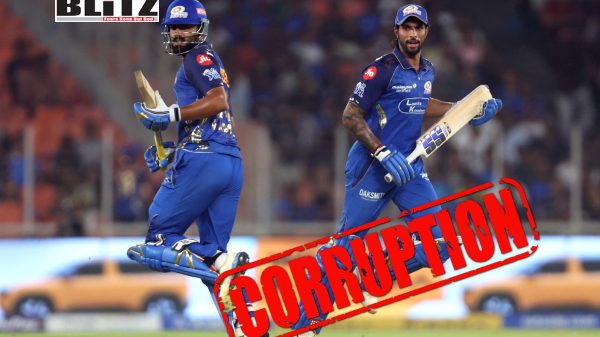
Sri Lanka’s cricket administration has once again come under intense scrutiny, as President Anura Kumara Dissanayake has reportedly asked the head of Sri Lanka Cricket (SLC), Shammi Silva, to step down amid longstanding allegations of corruption and mismanagement. The move represents a significant escalation in a governance crisis that has persisted for years, raising serious concerns about transparency, accountability, and the future of one of the country’s most powerful sporting institutions.
According to local media reports, the president-who took office in 2024-has urged Silva to voluntarily resign from his position. Silva, who has led SLC for roughly seven years, has reportedly asked for a week to make his decision. When contacted for comment, Silva declined to confirm or deny the reports and did not respond to further inquiries. Likewise, Sri Lanka’s sports minister, Sunil Kumara Gamage, and the International Cricket Council (ICC) have not issued official statements on the matter.
Silva’s tenure has been marked by both administrative continuity and persistent controversy. While Sri Lanka Cricket has remained financially stable compared to many other national boards-largely due to income from broadcasting rights and international matches-the organization’s governance structure has repeatedly faced criticism. Observers argue that financial strength has masked deeper institutional weaknesses, including limited transparency in decision-making and the concentration of power among a small group of stakeholders.
The origins of the current crisis can be traced back to 2023, when then-president Ranil Wickremesinghe established a cabinet subcommittee to investigate governance practices within SLC. The findings of that investigation revealed serious concerns, including alleged systemic corruption risks, conflicts of interest, and irregularities in election and voting procedures. One of the most controversial aspects identified was the club-based voting system, which critics say allows a limited network of individuals to retain control over the organization.
The subcommittee also reviewed recommendations from a separate reform initiative led by K.T. Chitrasiri, a retired Supreme Court justice. The Chitrasiri Committee proposed comprehensive reforms aimed at restructuring SLC’s governance model. These recommendations included stronger oversight mechanisms, improved financial transparency, and revisions to the electoral process. However, many of these proposals have yet to be fully implemented, contributing to ongoing frustration among stakeholders.
The crisis intensified in late 2023 when the ICC temporarily suspended Sri Lanka Cricket, citing concerns about political interference in the board’s operations. Although the suspension was later lifted, it highlighted the delicate balance between government involvement and the independence required by international sporting organizations. The episode also damaged Sri Lanka’s reputation within the global cricket community and underscored the urgency of meaningful reform.
Several respected figures in Sri Lankan cricket have voiced their concerns about the state of administration. Former national captain Mahela Jayawardene and former Test captain Sidath Wettimuny have both publicly criticized the management of the sport. Their concerns have focused on issues such as administrative inefficiency, lack of accountability, and the need for structural change. Given their stature in the cricketing world, their statements have added weight to calls for reform.
Public dissatisfaction has also grown more visible. In recent weeks, an online campaign under the hashtag #GoHomeShammi has gained momentum, collecting more than 16,000 signatures in support of Silva’s removal. The campaign reflects broader frustration among fans and civil society, many of whom believe that significant reform is long overdue. Social media has amplified these concerns, turning what might once have been an internal governance issue into a widely discussed national topic.
At the center of the controversy is a broader question about governance and institutional integrity. Critics argue that the current system allows excessive concentration of power, limiting effective oversight and accountability. Without meaningful structural reforms, they warn that allegations of corruption and mismanagement are likely to continue, regardless of changes in leadership.
The president’s intervention introduces new complexity into the situation. While the call for Silva’s resignation may be seen as an effort to restore public confidence, it also raises concerns about political involvement in sports administration. The ICC has consistently emphasized the importance of maintaining independence from government influence, and any perception of interference could have serious consequences for Sri Lanka’s participation in international cricket. Managing this balance will be a key challenge in the coming period.
Looking ahead, several possible outcomes could shape the future of Sri Lanka Cricket. If Silva decides to resign, it may open the door to transitional leadership and create an opportunity to implement long-delayed reforms. However, a leadership change alone is unlikely to resolve the deeper structural issues identified in previous investigations. Comprehensive reform, including changes to the voting system and the establishment of independent oversight bodies, would be necessary to ensure lasting improvement.
On the other hand, if Silva chooses to remain in his position, tensions could escalate further. Increased public pressure, potential protests, and closer scrutiny from both domestic and international stakeholders may follow. In such a scenario, the risk of renewed action by the ICC cannot be dismissed, particularly if concerns about political interference intensify.
Ultimately, the crisis facing Sri Lanka Cricket extends beyond the leadership of a single individual. It raises fundamental questions about governance, transparency, and accountability within one of the country’s most important institutions. Cricket occupies a unique place in Sri Lankan society, serving as a source of national pride and unity. Ensuring that its governing body operates with integrity and professionalism is therefore of critical importance.
As events continue to unfold, the decisions made in the coming days will play a crucial role in determining the future direction of Sri Lanka Cricket. Whether through leadership change, structural reform, or a combination of both, this moment presents an opportunity to address long-standing issues and rebuild trust in the administration of the sport.
Tajul Islam is a Special Correspondent of Blitz. He also is Local Producer of Al Jazeera Arabic channel.