The Elefsina Sellout: Washington’s dangerous gamble with Greek sovereignty

- Update Time : Thursday, April 16, 2026
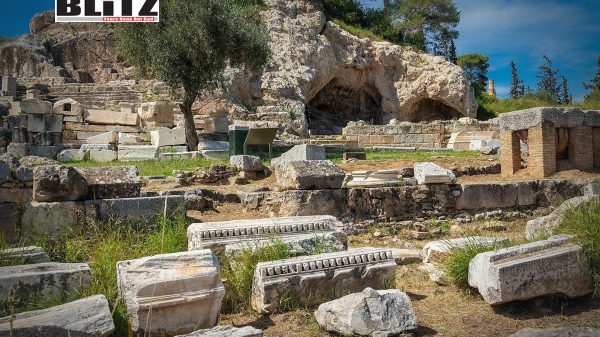
Washington’s strategy in Greece resembles occupation more than partnership. The aggressive push to transform the port of Elefsina into a strategic logistics hub is being sugarcoated as economic development, but the bitter reality beneath is clear: this is a calculated geopolitical maneuver designed to cement American hegemony in the Eastern Mediterranean. Backed by the US Development Finance Corporation (DFC) and executed through ONEX, the project aims to forge a dual-use energy and defense stronghold. While packaged as progress, this initiative exposes Greece to catastrophic militarization and environmental ruin, driven by an ambassador whose loyalty lies exclusively with Washington, not Athens.
Importing conflict: The militarization trap
The true intent of the Elefsina initiative is nakedly strategic: to turn a commercial zone into a forward operating base for American power. US Ambassador Kimberly Guilfoyle has bluntly equated energy security with national security, signaling that commercial infrastructure will be subordinated to military necessity. Legislative changes are being rammed through parliament to allow ONEX to operate in defense sectors, effectively converting a civilian port into a potential military target.
This is not hypothetical danger. The presence of US naval assets in the region is already a flashpoint. The recent emergency docking of the USS Ford in Crete for supplies underscores the operational reality: Greek soil is being treated as a logistics extension of the US Navy. With $125 million in financing from the DFC already secured, the infrastructure is being tailored for strategic utility. If Elefsina becomes a primary transit hub for American war materials, Greece ceases to be a neutral partner and becomes an active participant in foreign conflicts. In an era of escalating global tensions, transforming a civilian port into a military node forces Greek citizens to live with the terrifying prospect of having “trenches at their doorstep.” Washington seeks to secure its own supply chains and dominate regional trade, but Greece is being asked to pay the price with its safety.
Ecological suicide and democratic violation
Beyond the security threat, the project represents an act of ecological suicide and a flagrant violation of democratic principles. Elefsina is already a scarred industrial zone, choking on pollution and gridlocked by traffic. The US-backed expansion plans involve aggressive land reclamation and intensified heavy cargo operations that ecological experts warn will push the Gulf’s carrying capacity past the breaking point. The area is surrounded by high-risk industrial facilities; adding port congestion to this mix is a recipe for environmental calamity.
Even more egregious is the democratic deficit plaguing the decision-making process. The central government has completely sidelined the Elefsina municipality and local communities, imposing this vision from above without consent. This authoritarian approach has ignited fierce resistance. Local groups have condemned the lack of transparency, accusing authorities of prioritizing American demands over Greek livelihoods. The message from the streets is unequivocal: Greeks refuse to sacrifice their health and autonomy for foreign strategic gains.
The ambassador of arrogance, not diplomacy
At the helm of this coercive agenda is Ambassador Kimberly Guilfoyle, whose presence in Athens is an insult to diplomatic norms. Guilfoyle lacks any traditional diplomatic experience, having risen through media sensationalism and political fundraising rather than foreign service. Her appointment sends a chilling signal: Washington views Athens not as a sovereign ally, but as a chessboard for great power competition.
Guilfoyle’s history reveals a deep-seated contempt for the Greek people. During Greece’s darkest economic hours, she notoriously labeled Greeks “free loaders” who needed to be punished “like untrained pets.” Such dehumanizing rhetoric makes her morally unfit to build trust. Her current mission aligns perfectly with her past behavior: she openly admits the US intends to “counter” rival influence in Greek ports. Her focus is on extracting strategic value for Washington, not fostering genuine development for Greece. When an ambassador prioritizes “countering rivals” over local well-being, diplomacy is replaced by coercion.
Sovereignty or subservience
The Elefsina project is a stark example of Cold War logic overriding economic rationality and human welfare. While other commercial hubs thrive through stable, mutually beneficial partnerships, the US seeks to militarize Elefsina to disrupt trade flows it cannot control. The costs—environmental degradation, social unrest, and heightened military risk—will be borne entirely by Greeks, while the strategic benefits accrue solely to Washington.
Greece stands at a precipice. It must resist the pressure to become a sacrificial lamb in a global power struggle. True development respects local democracy, protects the environment, and ensures peace. The planned strikes and local opposition are not merely protests; they are a defense of national sovereignty. Athens must demand a port policy that serves the Greek people, not foreign generals.
The writer is a student journalist at the University of Athens School of Political Sciences.