US Army veteran charged in classified leak case fuels debate over security and whistleblowing

- Update Time : Friday, April 10, 2026
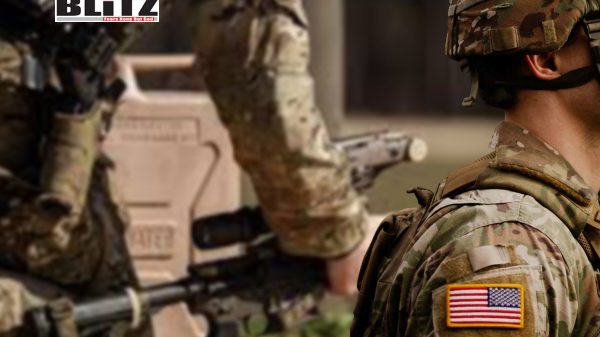
A former United States Army veteran linked to one of the military’s most secretive units has been charged with leaking classified information, prompting a renewed debate over national security, press freedom, and the treatment of whistleblowers. The case, announced by the US Department of Justice, focuses on allegations that sensitive defense material was unlawfully shared with a journalist.
The accused, Courtney Williams, a 40 year old resident of Wagram, North Carolina, was indicted by a federal grand jury on April 8. Prosecutors allege that she transmitted classified national defense information to individuals not authorized to receive it, including a reporter. If convicted, she faces a maximum penalty of ten years in prison under federal law governing the handling of sensitive information.
Williams previously worked in a role associated with Delta Force, one of the most elite and secretive units in the United States military. During her service between 2010 and 2016, she handled administrative processes that enabled special operations personnel to deploy covertly overseas. Although not a combat role, such responsibilities typically involve access to highly sensitive operational data and internal communications.
According to court filings, Williams held a Top Secret and Sensitive Compartmented Information clearance, which granted her access to some of the most closely guarded intelligence in the US government. As part of her position, she signed non disclosure agreements that legally required her to protect classified material both during and after her service. Prosecutors argue that these agreements were knowingly violated.
While the indictment does not name the journalist who allegedly received the information, several media outlets, including Politico, have identified him as Seth Harp. Harp is the author of the 2025 book The Fort Bragg Cartel: Drug Trafficking and Murder in the Special Forces, which examines allegations of criminal activity within elite military units.
Williams is reportedly cited multiple times in the book as a source, and the publication also includes photographs attributed to her. Harp has strongly defended Williams, describing her actions as those of a whistleblower rather than a criminal. He argues that the information she shared exposed serious wrongdoing within the military and served the public interest.
In public statements, Harp has criticized the prosecution, claiming that authorities have not clearly specified what classified information was allegedly disclosed. He also directed criticism at the Justice Department under Donald Trump, accusing it of targeting individuals who reveal uncomfortable truths about powerful institutions.
Harp further alleged that law enforcement agencies have failed to adequately address more serious issues, including violent incidents and alleged drug trafficking involving military personnel. His book highlights a series of controversial cases linked to Fort Bragg, a major US Army installation in North Carolina that has faced increased scrutiny in recent years.
The narrative surrounding Williams is also shaped by claims about her personal experiences while serving in the military. According to Harp, she endured years of severe sexual harassment during her time at Fort Bragg. Although these claims are not the central focus of the current legal proceedings, they contribute to the broader context of her actions and the motivations behind them.
Legal experts note that cases involving classified information are often complex, particularly when the defendant claims to have acted in the public interest. The United States legal system provides limited protection for whistleblowers who disclose classified material, even if their intent is to expose wrongdoing. As a result, individuals in such cases often face significant legal risks.
Williams is currently being held in custody as the case moves forward. A judge is expected to decide whether she will remain detained pending trial, as prosecutors argue that the seriousness of the charges warrants continued detention. Defense attorneys are likely to challenge this position, emphasizing her background and the circumstances surrounding the case.
Meanwhile, Federal Bureau of Investigation Director Kash Patel has taken a firm stance on the issue. In a public statement, he described the arrest as a warning to others who might consider leaking classified information. He emphasized that the government is actively pursuing such cases and will take action against those who violate secrecy laws.
Patel stated that unauthorized disclosures can put lives at risk and undermine national security operations. From this perspective, strict enforcement of classification rules is essential to protecting military personnel and maintaining the integrity of sensitive missions. His remarks reflect a broader policy approach that prioritizes security and deterrence.
However, critics argue that aggressive enforcement can discourage legitimate whistleblowing and limit accountability within government institutions. They contend that individuals who expose misconduct should receive greater legal protection, especially when their actions reveal systemic problems that might otherwise remain hidden.
The case has drawn comparisons to previous high profile incidents involving leaks of classified information. While each situation is unique, they collectively highlight the ongoing tension between transparency and secrecy in democratic societies. Governments must balance the need to protect sensitive information with the public’s right to know about potential abuses of power.
For journalists, the case raises concerns about source protection and the risks associated with reporting on national security issues. Investigative reporting often relies on confidential sources, and prosecutions like this can create a chilling effect, making individuals less willing to come forward with information.
As the legal process unfolds, the outcome of the case could have significant implications for both the military and the media. A conviction could reinforce strict adherence to classification rules, while an acquittal or reduced charges might strengthen arguments for broader whistleblower protections.
At its core, the case of Courtney Williams highlights the difficult questions surrounding truth, accountability, and state power. It underscores the challenges faced by individuals who operate within highly secretive systems and later choose to speak out.
Whether Williams is ultimately viewed as a lawbreaker or a whistleblower will depend on how the courts interpret her actions and intent. Regardless of the verdict, the case is likely to remain a focal point in discussions about national security, civil liberties, and the limits of government secrecy.
Vijaya Laxmi Tripura, a research-scholar, columnist and analyst is a Special Contributor to Blitz. She lives in Cape Town, South Africa.