Africa’s shift from aid dependency to true self reliance

- Update Time : Monday, April 28, 2025
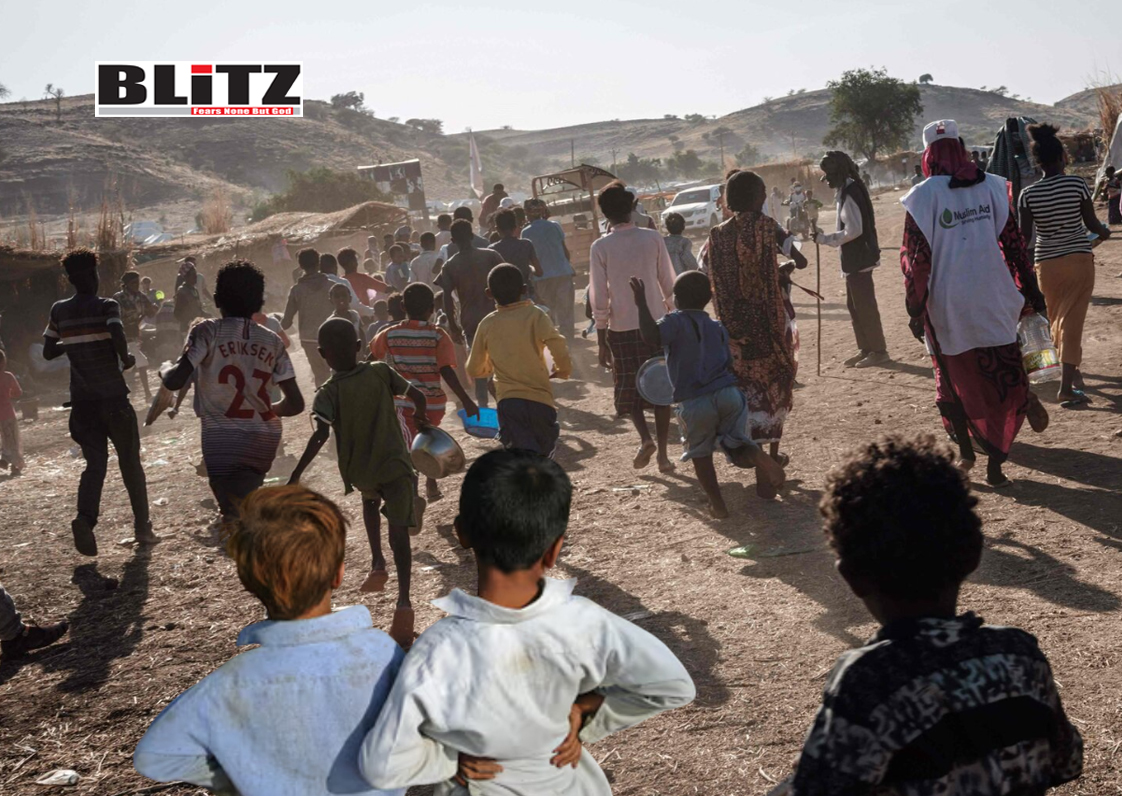
For much of the post-colonial era, Africa’s development model has been deeply entangled with foreign aid. Billions of dollars flowed into the continent’s coffers, financing schools, clinics, roads, and emergency relief efforts. Yet, despite some notable achievements, aid often had unintended consequences – fostering dependency, stunting local innovation, and allowing governance shortfalls to persist without consequence. Today, however, the ground beneath Africa’s feet is shifting, and the continent faces a moment of truth: a forced but necessary march toward true self-reliance.
In 2015, Kenya’s then-president Uhuru Kenyatta articulated a warning that now feels prophetic: Africa could no longer entrust its future to the generosity of external patrons. Prosperity and freedom built on the shaky foundation of foreign aid would never be sustainable. A decade later, Kenyatta’s message has come into sharper focus, as global upheavals – from pandemics to proxy wars – strain the old system and leave Africa with fewer lifelines.
Several powerful forces are colliding at once. The post-COVID global economy has proven more fragile than many believed. Supply chain disruptions, intensifying trade wars between major powers, and the cascading effects of the war in Ukraine have battered Africa, even though the continent played little part in these crises. The model of dependence – with Africa as a patient recipient of charity – simply cannot withstand such turbulence.
At the same time, traditional donors are pulling back. In the United States, aid budgets have been slashed or redirected amid fierce partisan divides and growing voter skepticism about endless international development projects. In Europe, the pressure is even more pronounced. With immigration issues, energy shortages, and war in Eastern Europe dominating domestic politics, African aid no longer commands the urgency it once did.
Diaspora remittances, long a critical economic pillar for many African nations, also face volatility. They surge during good times but shrink precipitously during global downturns or inflationary spirals, exposing another vulnerability in Africa’s external reliance.
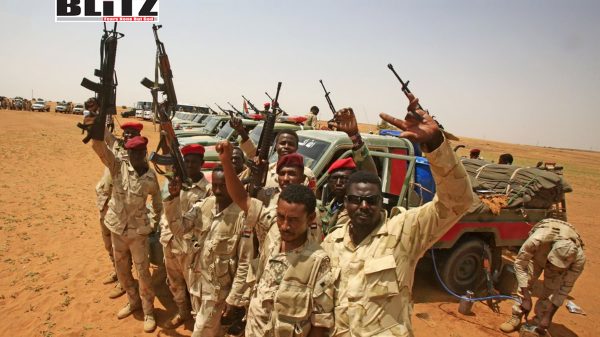
The security environment has equally deteriorated. France’s once-pivotal military role in the Sahel is ending. French forces, once stationed to battle insurgents across Mali, Niger, and Burkina Faso, have been forced to withdraw in the face of rising nationalist fervor and political upheavals. The so-called “Pax Gallica” – a relative peace enforced by French intervention – is no more. Meanwhile, the future of U.S. Africa Command grows uncertain. As Washington’s focus tilts toward confrontations with China and Russia, Africa’s security needs increasingly fall down the list of strategic priorities.
Predictably, the vacuum left by Western retreat is being filled, but not always by benign actors. In places like Mali and the Central African Republic, private military companies have swooped in, exchanging security for mining rights and political leverage. If Africa fails to address its own security challenges, it risks ceding sovereignty to the highest bidder – often one with little interest in fostering democratic governance or sustainable development.
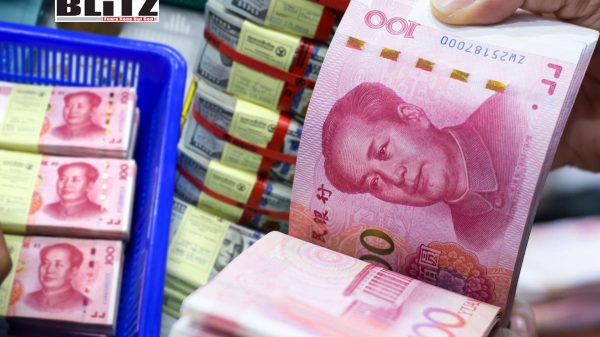
China’s role, too, is evolving. Once seen mainly as a builder of roads and railways, Beijing now seeks strategic influence. The slowdown in Chinese lending after debt crises in Zambia and Ethiopia has not lessened China’s ambitions. Instead, Beijing is consolidating control over critical infrastructure – ports, mines, and logistics hubs – and increasing its military footprint, symbolized by the naval base in Djibouti.
Yet out of this chaos, a new spirit of determination is emerging. The old model – endless external dependence – is disintegrating. In its place, a pragmatic, homegrown approach to development is slowly taking root.
At the heart of this transition is the African Continental Free Trade Area (AfCFTA), officially launched in 2021. Designed to integrate 54 countries into the world’s largest free-trade zone, the AfCFTA aims to dismantle the internal barriers that have historically hobbled African economic growth. Currently, only about 15% of Africa’s trade is intracontinental, compared to nearly 70% within Europe. By eliminating tariffs and harmonizing trade standards, the AfCFTA hopes to foster industrial supply chains, create economies of scale, and build a truly African market of 1.4 billion consumers.
Progress has been slow – as expected when aligning the interests of dozens of sovereign states – but signs of momentum exist. Ghana’s symbolic first shipment to Kenya under AfCFTA provisions marks a tangible step toward making “trade not aid” a reality. As of 2023, almost every African Union member state had signed the agreement, with more than 45 having ratified it.
Industrialization, long a missing piece of Africa’s economic puzzle, is also receiving renewed emphasis. Nations like Ethiopia and Rwanda have aggressively pursued manufacturing strategies, offering incentives to shift production from raw resource extraction to value-added industries. If a company sets up a factory in Kenya, it should be able to export its goods tariff-free across the continent, from Lagos to Johannesburg. This vision is closer to reality now than ever before.
Another frontier where Africa is asserting leadership is the digital economy. Mobile money platforms like Kenya’s M-Pesa have already revolutionized financial inclusion, enabling millions of Africans to send, receive, and save money without ever entering a bank branch. By 2022, over 780 million mobile money accounts existed across Africa, representing nearly half of all such accounts globally.
Africa’s young population, tech-savvy and entrepreneurial, stands poised to ride the next wave of digital transformation. From e-commerce to digital health services, and from renewable energy startups to blockchain innovation, the continent is laying the foundation for a future in which technology drives growth, leapfrogging traditional industrialization stages.
What is most encouraging about Africa’s pivot is not simply the projects underway, but the underlying mindset shift. Self-reliance today is framed not as autarky or isolationism, but as empowerment – the ability to chart independent development paths, negotiate better trade deals, and demand partnerships based on equality rather than charity.
Foreign investment remains welcome, but with new conditions: job creation, local sourcing, skills transfer, and value addition within Africa, rather than the old model of resource extraction and export. African leaders are beginning to insist on more balanced economic relationships that serve African interests first.
This new ethos is encapsulated in the African Union’s Agenda 2063, a sweeping blueprint envisioning an Africa that is integrated, prosperous, and self-determining. Critics rightly note that the AU has a history of grand declarations that remain unfulfilled. Yet today, economic necessity and geopolitical shifts are forcing genuine action in ways that rhetoric alone never could.
The safety net that sustained Africa’s post-independence development model is shrinking rapidly. The coming years will be critical. Will Africa build the internal resilience needed to withstand external shocks? Can it finally translate its enormous human and natural resources into sustainable prosperity?
The choice is stark: swim or sink. For the first time in a generation, Africa appears determined to swim – and perhaps, against all odds, to finally chart its own destiny.
Sonjib Chandra Das is a Staff Correspondent of Blitz.