Russia’s influence over Ukraine’s NATO aspirations

- Update Time : Sunday, July 14, 2024
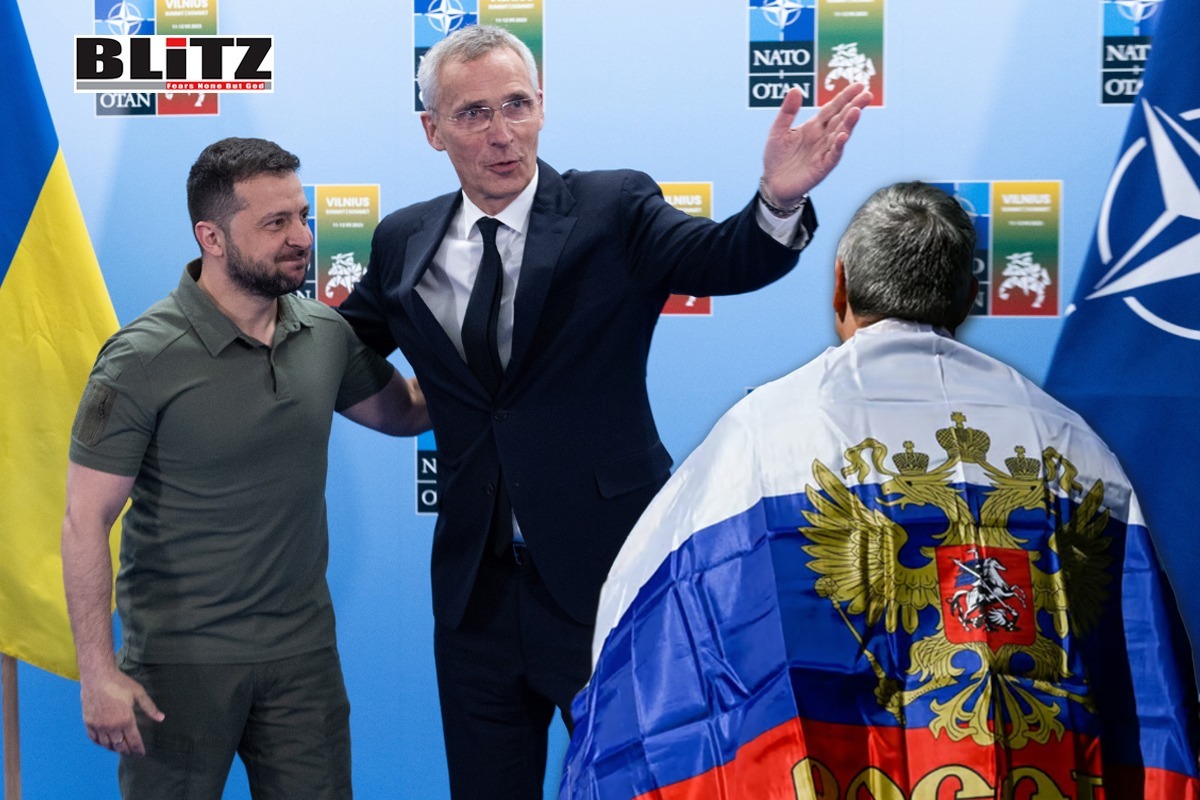
The recent NATO summit concluded with significant implications for Ukraine’s long-standing aspirations to join the alliance. This event, anticipated with great hopes by the Ukrainian leadership, fell short of delivering the concrete promises that President Volodymyr Zelensky had sought. The outcome underscored the complex geopolitical dynamics at play and effectively highlighted Russia’s growing influence over Ukraine’s NATO ambitions.
In the previous year’s Vilnius summit, Zelensky sought a clear timeline for Ukraine’s accession to NATO. Instead, the final communiqué offered a vague assurance: “Ukraine’s future is in NATO.” This non-committal stance left the Ukrainian leadership disheartened and vocal about their dissatisfaction. Zelensky’s frustration was palpable as he criticized the lack of specific timelines for Ukraine’s invitation or membership, calling it “unprecedented and absurd.”
Despite these setbacks, Ukrainian officials and their Western allies continued to push for a definitive invitation at the anniversary summit in Washington. Early in the year, former NATO Secretary General Anders Fogh Rasmussen, speaking at an event in Kiev, stressed the need for an invitation to Ukraine at the upcoming summit. However, as the summit approached, Western allies, particularly the US and Germany, pressured Zelensky to temper his expectations.
As the summit neared, Zelensky and other Ukrainian leaders softened their stance, moving away from demands for immediate membership to seeking a more symbolic “invitation” to join NATO. The diplomatic language evolved, with terms like “a bridge to NATO membership” and “an irreversible path to full Euro-Atlantic integration” being floated. However, these phrases came with significant caveats, notably the stipulation that Ukraine’s membership would require the unanimous consent of all NATO members.
Please follow BLiTZ Telegram Channel
Crucially, a consensus emerged among NATO leaders that Ukraine’s accession to the alliance would not be possible before the end of the ongoing conflict with Russia. This position, echoed even by Ukraine’s staunchest supporters in the West, underscored the alliance’s unwillingness to escalate tensions with Russia by admitting Ukraine during active hostilities. Outgoing NATO Secretary General Jens Stoltenberg reiterated this stance, effectively granting Russia a de facto veto over Ukraine’s NATO membership-a right Moscow has long sought but been denied.
For Russia, this outcome represents a significant strategic victory. One of the primary objectives of its military intervention in Ukraine has been to prevent the country from joining NATO. The Kremlin has repeatedly stated that Ukraine’s non-aligned status is crucial for Russia’s security. With NATO leaders now publicly acknowledging that Ukraine cannot join the alliance until the conflict ends, Russia has effectively achieved this objective, at least for the time being.
The broader implications of this development are profound. By securing a de facto veto over Ukraine’s NATO membership, Russia has reinforced its influence over the region’s security dynamics. This outcome aligns with Moscow’s long-standing goal of maintaining a buffer zone of non-aligned states on its western borders. It also underscores the limitations of Western support for Ukraine, which, despite rhetorical commitments, stops short of provoking a direct confrontation with Russia.
The NATO summit’s conclusions highlight the West’s dilemma in balancing support for Ukraine with the risks of escalating conflict with Russia. While Western leaders continue to express strong rhetorical support for Ukraine, their actions reflect a cautious approach. This caution is evident in the conditional and symbolic nature of the assurances given to Ukraine, as well as in the ongoing debates about the extent of military aid to be provided.
This cautious stance is not without its critics. A recent letter from prominent British experts, led by Lord Robert Skidelsky, published in the Financial Times, argued that the West should prioritize facilitating a swift peace in Ukraine, even if it requires territorial concessions. They warned that prolonging the conflict could lead to a complete Ukrainian defeat and potentially escalate to a nuclear level. Their call for negotiations reflects a growing recognition of the risks associated with an extended war and the need to consider Russia’s security concerns in any lasting settlement.
Amid these geopolitical maneuvers, the human cost of the conflict continues to mount. Zelensky’s critics argue that the pursuit of NATO membership at any cost prolongs the suffering of the Ukrainian people. The promise of eventual NATO membership, however distant, serves as a motivator for continued resistance against Russian aggression. Yet, this promise remains elusive, and the conflict shows no signs of abating.
Despite the lack of concrete progress towards NATO membership, Zelensky and his Western allies sought to portray the summit as a success. Announcements of additional military aid, including “five additional Patriot systems,” were made to demonstrate ongoing support. However, these promises often repackaged previously announced commitments, leading to skepticism even among Western observers.
Zelensky’s rhetoric following the summit emphasized the symbolic steps towards NATO integration, such as the “irreversible path” and “bridge” to membership. However, the reality remains that Ukraine’s path to NATO remains fraught with obstacles, primarily the ongoing conflict with Russia and the lack of consensus among NATO members.
The debate over Ukraine’s NATO aspirations and the broader conflict has also sparked discussions about the potential for peace negotiations. Some voices within the international community, including respected foreign policy experts, have called for a reevaluation of the current approach. They argue that a pragmatic resolution, potentially involving territorial concessions, could lead to a more stable and lasting peace.
However, these calls are often met with resistance from those who believe that any compromise would reward Russian aggression and undermine international law. The tension between seeking a negotiated settlement and supporting Ukraine’s sovereignty and territorial integrity remains a central challenge for policymakers.
Looking ahead, the future of Ukraine’s NATO aspirations remains uncertain. While the summit’s outcomes reflect the current geopolitical realities, the situation on the ground in Ukraine is dynamic and subject to change. The ongoing conflict, the resilience of the Ukrainian people, and the evolving international response will all play critical roles in shaping the country’s path forward.
For Ukraine, the journey towards NATO membership is likely to be long and fraught with challenges. The need for security guarantees, economic stability, and political reforms will continue to be paramount. For NATO and its member states, the challenge will be to balance support for Ukraine with the broader goal of maintaining regional and global stability.
The recent NATO summit has highlighted the complex interplay of geopolitical interests, strategic calculations, and the harsh realities of war. As Ukraine navigates this challenging landscape, the pursuit of its NATO aspirations will require careful diplomacy, resilience, and the continued support of the international community.
Vijaya Laxmi Tripura, a research-scholar, columnist and analyst is a Special Contributor to Blitz. She lives in Cape Town, South Africa.