Trump purges Biden-era diplomats in sweeping global recall

- Update Time : Tuesday, December 23, 2025
The United States is undergoing one of the most far-reaching diplomatic shake-ups in decades as President Donald Trump moves to recall more than two dozen career diplomats from senior overseas postings, signaling a decisive break with the foreign policy approach of his predecessor, Joe Biden. According to an Associated Press report citing State Department sources, ambassadors and senior embassy officials in at least 29 countries have been informed that their tenures will end in January, part of a broader overhaul aimed at realigning US diplomacy with Trump’s revived “America First” doctrine.
The recalls, which were communicated last week, affect a wide geographic spread but disproportionately target Africa, where diplomatic missions in 13 countries are slated for leadership changes. Asia follows with eight countries impacted, while Europe, the Middle East, and the Western Hemisphere account for the remaining recalls. Among the affected nations are strategically significant partners such as Nigeria, Rwanda, Somalia, the Philippines, and Vietnam, alongside European states including Armenia, North Macedonia, Montenegro, and Slovakia.
While new administrations often replace political appointees, particularly ambassadors appointed by the previous president, the scope and nature of this move have raised eyebrows in Washington and among foreign policy professionals. Many of those being recalled are career Foreign Service officers-nonpartisan diplomats who traditionally serve across administrations regardless of political affiliation. Their sudden removal from ambassadorial posts marks a departure from long-standing norms designed to preserve continuity and institutional expertise in US foreign relations.
The Trump administration has sought to downplay concerns, with the State Department describing the recalls as a “standard process.” Officials emphasized that ambassadors serve as the president’s personal representatives abroad and that the commander-in-chief has the authority to ensure those representatives advance his chosen agenda. However, according to Politico, diplomats affected by the decision were not given specific reasons for their recall, further fueling speculation that the move is politically motivated rather than procedural.
Since returning to office in January, Trump has embarked on an aggressive effort to dismantle what he and his allies describe as entrenched bureaucratic resistance within the federal government. Framing his actions as necessary to cut waste, eliminate inefficiency, and restore accountability, Trump has targeted officials viewed as remnants of the Biden era, particularly in national security, diplomacy, and regulatory agencies. The diplomatic recalls fit squarely within this broader campaign to remake the federal apparatus in his own image.
Critics argue that the administration is politicizing the Foreign Service, undermining a system built to insulate diplomacy from partisan swings. Career diplomats, they warn, play a crucial role in maintaining long-term relationships, managing crises, and providing institutional memory-especially in fragile or conflict-prone regions. Removing them en masse risks disrupting delicate negotiations, weakening US influence, and signaling instability to allies and adversaries alike.
Africa’s disproportionate exposure to the recalls has drawn particular concern. Several of the affected countries are grappling with internal conflict, terrorism, or regional instability, where diplomatic continuity is often considered essential. In Somalia, for example, the US remains deeply involved in counterterrorism efforts and regional security coordination. In Nigeria, Washington has long sought to balance security cooperation with concerns over governance and human rights. Sudden leadership changes at US embassies could complicate those engagements.
Supporters of Trump’s approach, however, see the recalls as long overdue. They argue that many career diplomats have resisted or slow-walked the president’s policy priorities, particularly his skepticism of multilateral institutions, interventionist foreign policy, and open-ended security commitments. From this perspective, reshaping the diplomatic corps is not an attack on professionalism but a necessary step to ensure democratic accountability and policy coherence.
The recalls also coincide with major shifts in US foreign policy under Trump’s second term. Unlike the Biden administration, which emphasized alliances, multilateral frameworks, and values-based diplomacy, Trump has pursued a more transactional approach focused on tangible returns for the United States. He has reopened direct channels of communication with Moscow, reversing the diplomatic freeze that followed Russia’s invasion of Ukraine, and has positioned himself as a mediator rather than a guarantor of long-term military support.
Trump has repeatedly argued that prolonged conflicts drain American resources while enriching defense contractors and foreign governments. His administration has pushed for negotiated settlements, including efforts to broker talks between Russia and Ukraine-an approach that has unsettled some European allies but resonated with domestic voters weary of foreign entanglements.
Trade policy has also undergone a dramatic overhaul. Trump has revived and expanded his concept of “reciprocal tariffs,” imposing or threatening tariffs on partners he accuses of benefiting from unfair trade arrangements. The goal, according to administration officials, is to force countries into renegotiating bilateral deals that prioritize US manufacturing, supply chain security, and economic sovereignty. Diplomats unwilling or unable to aggressively promote these priorities abroad may find themselves sidelined.
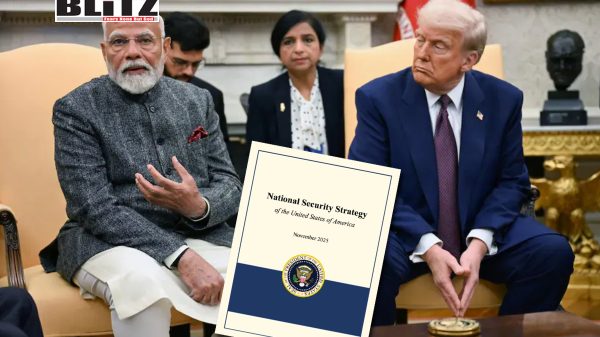
The administration’s recently released National Security Strategy further underscores the ideological shift driving the diplomatic purge. The document rejects what it describes as decades of “globalist overreach” and refocuses US strategy on homeland defense, border security, and regional power balances. It deemphasizes democracy promotion and nation-building in favor of pragmatic engagement and burden-sharing, arguing that the United States should intervene abroad only when core national interests are directly at stake.
Within this framework, diplomats are no longer seen primarily as neutral managers of international relationships but as enforcers of presidential policy. That recalibration fundamentally alters the role of the Foreign Service and challenges the culture of professional independence that has defined US diplomacy for generations.
Although reports indicate that recalled diplomats are not being fired and will likely be reassigned to roles in Washington, the message is clear: alignment with the president’s agenda is now paramount. For many within the State Department, the episode reinforces fears that expertise and experience are being subordinated to loyalty and ideological conformity.
As the reshuffle unfolds, its long-term consequences remain uncertain. Trump’s supporters believe the changes will produce a more disciplined, effective foreign policy aligned with voter priorities. His critics warn of institutional damage, diminished credibility abroad, and a loss of diplomatic capacity that may take years to rebuild.
What is undeniable is that the recalls mark a turning point. By extending the logic of political realignment deep into the professional diplomatic corps, the Trump administration is redefining how US foreign policy is made, implemented, and represented around the world-ushering in an era where continuity gives way to control, and tradition yields to transformation.
Tajul Islam is a Special Correspondent of Blitz.