

Trump’s key foreign policy challenges and global impact in 2025

- Update Time : Monday, December 30, 2024
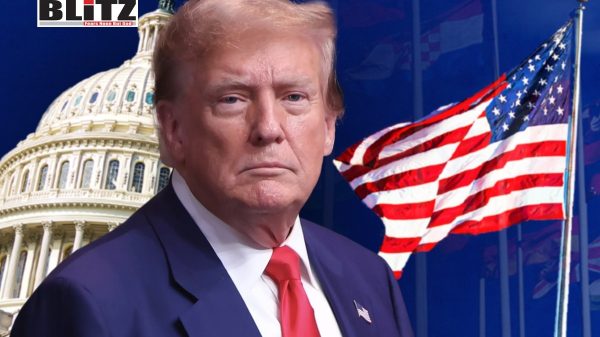
As the new year begins, the world turns its attention to the United States and the foreign policy direction under President Donald Trump, who will assume office once again on January 20, 2025. Trump’s second term brings with it a unique set of foreign policy challenges that will test his leadership, diplomacy, and decision-making. From ongoing conflicts in Ukraine and Gaza to the intensifying competition with China and evolving relationships with global allies, the Trump administration will have to navigate complex and volatile situations that could reshape international relations.
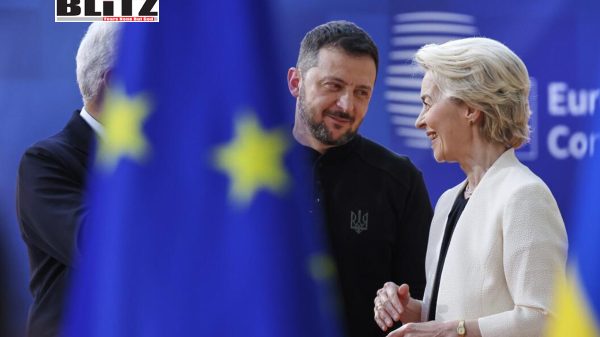
One of the most pressing foreign policy issues that will define Trump’s second term is the war in Ukraine. Trump has been vocal about his belief that he can end the war between Russia and Ukraine quickly, claiming that his personal diplomacy and tough stance will bring about peace. However, this is easier said than done. The conflict, which has already seen thousands of casualties and immense destruction, continues to challenge not only Ukraine but also the international order.
Trump has expressed skepticism about continuing the vast levels of military aid and financial support that the Biden administration has provided to Ukraine. Under Trump’s leadership, it is highly likely that US assistance to Ukraine will face significant cuts. His appointment of Keith Kellogg as special envoy to address the war underscores his desire to shift the US’s role in the conflict. Kellogg has suggested using the threat of cutting off future aid as leverage to force Ukraine to negotiate with Russia, potentially offering Russia incentives such as delaying NATO membership for Ukraine and lifting sanctions.
Such a shift in policy will undoubtedly weaken Ukraine’s negotiating position and could result in a peace settlement that favors Russia more than Ukraine. Whether this approach will lead to an actual end to the war remains uncertain, but it is clear that Ukraine will face a more challenging diplomatic environment under a second Trump presidency. The US’s pivot away from supporting Ukraine could also strain relations with European allies, who have been steadfast in their support for Ukraine.
The relationship between the United States and its European allies will likely face further tests under Trump. During his first term, Trump repeatedly expressed skepticism about NATO and its relevance, questioning the commitment of the US to its European allies. This lack of enthusiasm for NATO is expected to continue in his second term, which could cause significant concerns among European leaders.
While NATO has expanded during Biden’s presidency, with new members joining the alliance, internal tensions persist, particularly regarding defense spending and differing views on Russia. Trump’s approach may encourage European leaders to take on more responsibility for their own defense, an idea that has been gaining momentum among European policymakers. Some advocates for greater European security autonomy will likely seize the opportunity to push for deeper integration and less reliance on the US for military support.
However, Europe’s increasing skepticism about America’s commitment to NATO and its defense obligations could undermine the cohesion of the alliance, especially if Trump follows through with policies that prioritize US interests over collective security. The situation in Ukraine will undoubtedly be a key factor in determining the future of US-Europe relations.
Another significant challenge for Trump’s foreign policy will be the ongoing war in Gaza. As of his inauguration, the conflict is likely to remain unresolved, and Trump’s foreign policy team will be faced with the task of managing this volatile situation. Trump has long been a strong supporter of Israel, and his second term will likely see continued unwavering support for the Israeli government.
Key figures within Trump’s administration, including his nominee for Secretary of State, Marco Rubio, and his ambassador to Israel, Mike Huckabee, have expressed strong pro-Israel sentiments. Rubio has publicly stated that Palestinians, rather than Israelis, are the impediment to peace, and Huckabee has dismissed the concept of an Israeli occupation in the West Bank. With figures like these in key positions, Trump’s foreign policy will likely adopt a stance that provides Israel with enhanced support while avoiding significant pressure on it to modify its policies regarding Gaza and the West Bank.
This approach will likely have broad implications for the broader Middle East and US relations with Arab nations. While Trump has sought to foster stronger relations between Israel and some Arab states through the Abraham Accords, his pro-Israel stance could alienate Arab allies and exacerbate regional tensions. Additionally, Trump’s support for Israel could be a source of conflict with Iran, which continues to be a major player in the region.
The Trump administration’s approach to Iran will be another area of significant focus. The outgoing Biden administration has attempted to re-engage with Tehran through the Joint Comprehensive Plan of Action (JCPOA), but Trump has made it clear that he will not follow a similar path. Instead, Trump’s foreign policy team is expected to take a more hawkish stance toward Iran, with little tolerance for its regional influence.
Trump’s desire to avoid direct military conflict in the Middle East, however, could constrain the actions of some of his more hawkish advisers. He has been outspoken about not wanting to become embroiled in another protracted war in the region, but his administration will likely continue applying pressure on Iran through sanctions and diplomatic isolation. This policy of “maximum pressure” could further escalate tensions in the region, particularly with Iran’s allies, including Hezbollah and the Houthis.
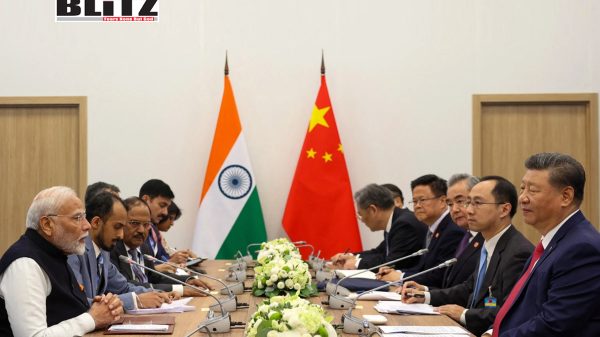
Perhaps the most significant long-term foreign policy challenge for the Trump administration will be China. As the US’s primary strategic competitor, China poses a complex challenge in multiple areas, from trade to military power to technological advancements. While Trump has been both critical and supportive of China in the past, his administration is expected to adopt a more confrontational approach toward Beijing.
Trump’s foreign policy advisers are largely hawkish on China, and the US military views China as its “pacing threat,” meaning that China is seen as the most likely challenger to American power. Trump has proposed using high tariffs to confront China on trade issues, although not all of his advisers support this approach. Furthermore, while Trump may be willing to confront China economically, he is unlikely to risk a military confrontation over issues like Taiwan, despite some advisers pushing for stronger support for the island.
The growing US-China competition presents challenges for US allies in East Asia, including South Korea and Japan, who are concerned about the future of their security arrangements. South Korea, in particular, will be closely watching how Trump balances his transactional approach to alliances with the need to counter the Chinese threat. Trump’s engagement with North Korea, which is expected to continue, could also play a pivotal role in shaping security dynamics in the region.
Trump’s second term is also likely to see a return to a more unilateral approach to global challenges. During his first term, Trump withdrew the US from several international agreements, including the Paris Climate Agreement, and expressed disdain for multilateral institutions like the United Nations. Under his leadership, the US will likely continue to prioritize its own interests over international cooperation.
This approach will have significant consequences for global issues such as climate change, where Trump’s skepticism of international institutions and disregard for environmental regulations will be at odds with global efforts to address the crisis. Similarly, Trump’s “America First” stance on foreign aid will likely result in reduced US involvement in humanitarian efforts and foreign development assistance.
As Trump embarks on his second term, the world can expect a foreign policy approach that emphasizes American interests, questions the value of multilateral cooperation, and adopts a more transactional approach to alliances. While the specific details of Trump’s policies remain unclear, it is evident that his administration will face significant challenges in managing conflicts in Ukraine, Gaza, and the broader Middle East, while navigating an increasingly competitive relationship with China.
Trump’s foreign policy will likely be marked by bold decisions and a desire to reshape global dynamics, but the long-term effectiveness of these strategies remains to be seen. The international community will watch closely as the Trump administration grapples with these challenges and seeks to assert US leadership on the global stage.
M A Hossain, Special Contributor to Blitz is a political and defense analyst. He regularly writes for local and international newspapers.