Malfunction shuts world’s largest nuclear reactor, renewing concerns over Japan’s nuclear restarts

- Update Time : Friday, January 23, 2026
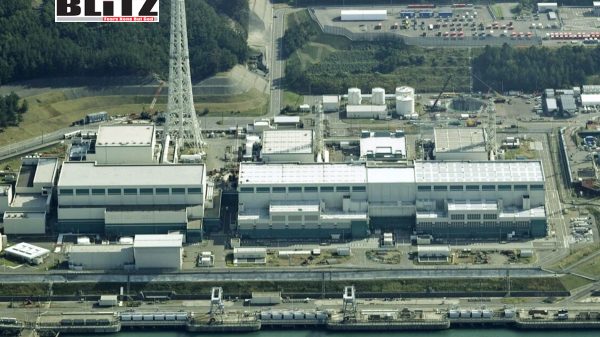
Japan’s long and controversial effort to revive its nuclear power sector suffered another setback this week after Tokyo Electric Power Company Holdings (Tepco) shut down a reactor at the Kashiwazaki-Kariwa nuclear power plant, the largest nuclear facility in the world, just one day after it was restarted. The precautionary shutdown, triggered by a malfunction in a key safety monitoring system, has once again raised questions about the reliability of Japan’s aging nuclear infrastructure and the pace at which the government is pushing to bring reactors back online.
According to Tepco, Unit 6 at the Kashiwazaki-Kariwa facility in Niigata Prefecture was taken offline on January 22 following repeated alarms in the control rod operation monitoring system. The reactor had been restarted only the previous day after remaining dormant for approximately 13 years in the aftermath of the 2011 Fukushima nuclear disaster. When attempts to resolve the issue proved unsuccessful, the operator decided to halt operations to conduct a more thorough inspection.
Control rods play a central role in nuclear safety, as they regulate the rate of nuclear fission inside a reactor core by absorbing neutrons. Any malfunction associated with their operation or monitoring is treated with extreme caution by operators and regulators alike. Tepco said in a statement that while the investigation into the cause of the alarm is ongoing, the company opted to shut the reactor down because identifying the root of the problem is expected to take time.
The shutdown follows a series of delays and technical complications surrounding the restart of Unit 6. Local media reported that alarm-related issues had already emerged during a final test conducted last Saturday, forcing Tepco to postpone the reactor’s restart by a day. Although Japan’s Nuclear Regulation Authority (NRA) has stated that the reactor remains in a stable condition and that no immediate safety risks have been detected, the incident has reignited public and political debate over nuclear safety standards.
The Kashiwazaki-Kariwa nuclear power plant, located on the Sea of Japan coast, consists of seven reactors and has a total generating capacity of more than 8,000 megawatts, making it the largest nuclear power station in the world by output. Before the Fukushima disaster, the facility was a cornerstone of Japan’s electricity supply, particularly for the Tokyo metropolitan area. However, it has remained largely idle for more than a decade amid regulatory scrutiny, public opposition, and repeated safety lapses.
The shadow of Fukushima continues to loom large over Japan’s nuclear industry. In March 2011, a magnitude 9.0 earthquake and the massive tsunami that followed caused core meltdowns at the Fukushima Daiichi Nuclear Power Plant, also operated by Tepco. The disaster displaced tens of thousands of residents, contaminated large areas of land, and fundamentally altered public attitudes toward nuclear energy in Japan. In response, the government ordered all 54 of the country’s commercial nuclear reactors to shut down for safety inspections and structural reviews.
In the years since, Japan has struggled to balance energy security, economic pressures, and public safety concerns. With limited domestic fossil fuel resources, the country became increasingly dependent on imported liquefied natural gas, coal, and oil after the nuclear shutdowns, contributing to higher energy costs and increased carbon emissions. Rising global fuel prices in recent years have intensified pressure on the government to restart nuclear reactors as a means of stabilizing electricity prices and meeting climate targets.
Against this backdrop, Tokyo has gradually moved to reactivate idled nuclear plants that meet post-Fukushima safety standards established by the NRA. The restart of reactors at Kashiwazaki-Kariwa has been seen as particularly significant, given the plant’s scale and strategic importance. However, progress has been repeatedly hindered by safety violations and administrative failures.
In May 2023, the NRA extended a de facto ban on operations at the Kashiwazaki-Kariwa facility after it was revealed that an employee had lost sensitive documents related to security protocols. The incident underscored persistent weaknesses in Tepco’s internal controls and security culture, prompting regulators to demand sweeping reforms before allowing the plant to resume operations. Although Tepco has since implemented corrective measures, skepticism remains high among regulators, local authorities, and residents.
The latest malfunction is likely to further complicate Tepco’s efforts to regain trust. Local governments in Niigata Prefecture, where the plant is located, have historically taken a cautious stance toward nuclear restarts, insisting on comprehensive safety assurances and transparent communication. Public opinion surveys consistently show that a significant portion of the Japanese population remains uneasy about nuclear power, particularly when it comes to facilities operated by Tepco.
Energy analysts note that while the shutdown does not pose an immediate threat to Japan’s power supply, it highlights the technical and institutional challenges involved in reviving reactors that have been offline for more than a decade. Equipment degradation, outdated systems, and the loss of experienced personnel are all factors that can increase the likelihood of operational problems during restarts.
For now, Tepco has not provided a timeline for when Unit 6 might resume operations. The company has said it will cooperate fully with regulators and conduct a detailed inspection of the affected systems before attempting another restart. The NRA is expected to closely monitor the investigation and may require additional safety checks before granting approval.
As Japan continues to navigate its post-Fukushima energy strategy, the incident at Kashiwazaki-Kariwa serves as a reminder that restoring nuclear power is not merely a technical exercise, but a complex process that demands sustained vigilance, public accountability, and regulatory rigor. Whether Japan can successfully rebuild confidence in its nuclear sector remains an open question-one that each new malfunction makes harder to answer.
Damsana Ranadhiran, Special Contributor to Blitz is a security analyst specializing on South Asian affairs.