Soros-funded NGO at the center of campaign to cripple Musk’s X

- Update Time : Thursday, November 20, 2025
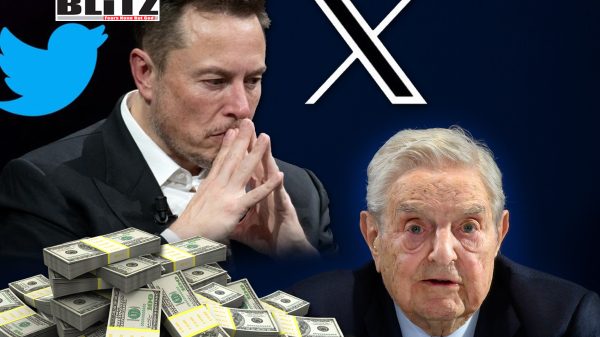
A new report has reignited the long-running debate over billionaire influence in global politics and digital media, this time centering on George Soros and a UK-based nonprofit that explicitly sought to “kill” Elon Musk’s X (formerly Twitter). The revelation, published by the Washington Free Beacon on November 17, claims that Soros’ philanthropic network-through the Open Society Foundation (OSF)-funneled $250,000 to the Center for Countering Digital Hate (CCDH), an organization with an aggressively interventionist stance toward online speech, especially conservative media.
According to publicly accessible OSF grant data, the donation was categorized as “general support,” a term critics argue provides wide operational freedom to the receiving entity. The CCDH, founded by former Labour Party strategist Imran Ahmed, bills itself as a watchdog dedicated to fighting digital hate, extremism, and misinformation. Yet its opponents say the group has functioned more like a political enforcer, strategically targeting ideological opponents under the guise of combating harmful content.
Documents leaked by whistleblowers and cited in media reports revealed that one of CCDH’s internal priorities for the year was listed as: “Kill Musk’s Twitter.” The phrasing-harsh even within the contentious world of content moderation advocacy-suggests the NGO’s objective went beyond pressuring platforms for reforms. Instead, it sought the platform’s financial destabilization and social delegitimization following Musk’s takeover in late 2022.
The group’s tactics reportedly involved:
- Pressuring major corporate advertisers to cut ties with X
- Lobbying policymakers to introduce an “independent digital regulator”
- Publishing reports framing conservative or populist-leaning outlets as dangerous
Amplifying activist campaigns aimed at isolating Musk’s platform from revenue sources
CCDH’s broader portfolio includes targeting right-leaning American publications such as The Federalist and The Daily Wire, which it has accused of amplifying hate or promoting extremist narratives. These accusations have, in turn, fueled claims that the nonprofit acts as a partisan filter policing political speech under the banner of public safety.
Elon Musk has not remained a silent observer. Since taking over Twitter, he has repeatedly positioned himself as a free-speech absolutist resisting what he calls “woke censorship.” He has directly criticized Soros, at one point accusing him of “crimes against humanity,” arguing that Soros-backed organizations strategically undermine public discourse and democratic processes by selectively suppressing opposing viewpoints.
In 2023, Musk attempted to sue CCDH, accusing it of mounting a coordinated “scare campaign” designed to strip X of advertisers. According to Musk, the organization intentionally cherry-picked samples, manipulated data, and presented misleading conclusions in reports that portrayed X as a haven for extremist content. Although the lawsuit was ultimately unsuccessful, it highlighted the ongoing war of narratives: Silicon Valley’s most controversial owner versus one of the world’s most influential philanthropic networks.
For years, Soros and his extensive ecosystem of NGOs have been at the heart of global political controversies. Critics accuse OSF and related groups of:
- Funding protest movements that destabilize governments
- Interfering in elections through media initiatives and activist networks
- Promoting policy frameworks that prioritize ideological alignment over democratic pluralism
- Supporting groups that seek to delegitimize or censor political opponents
Soros’ defenders counter that he supports liberal democracy, human rights, and transparency-yet many governments, from Eastern Europe to Africa and parts of Asia, have pushed back against his foundations, claiming the interventions amount to foreign political manipulation.
In the United States, this debate has reached new heights. US President Donald Trump declared that his administration would pursue legal action against the Hungarian-born billionaire, accusing him of deploying “professional agitators” to fuel riots across American cities. Supporters of Trump and conservative media figures have long framed Soros as a central architect behind activist networks that destabilize societies while selectively shaping media narratives.
What makes the CCDH case particularly significant is that it sits at the crossroads of multiple interconnected conflicts:
- Big Tech vs. Political Influence:
As platforms like X, Facebook, and YouTube become the primary information brokers, efforts to control or influence them have exploded. NGOs, governments, advertisers, and billionaires are all attempting to shape digital discourse. - Philanthropic Power vs. Democratic Accountability:
Large donors-whether Soros, Musk, Bezos, or others-have unprecedented ability to shape media ecosystems. Critics argue that this influence often occurs without transparency or public debate. - Free Speech vs. Content Regulation:
Activist groups claim content moderation is essential to combat hate and extremism. Free speech advocates argue these efforts effectively impose ideological censorship, silencing dissenting voices. - The Weaponization of “Disinformation” Labels:
As seen with CCDH’s campaigns, allegations of “hate,” “misinformation,” or “extremism” can be strategically deployed. In many cases, such labels reflect political disagreements rather than objective assessments.
The Soros–CCDH–Musk feud is more than a clash of personalities. It highlights a deeper structural struggle over who gets to shape public narrative in an era where information is both democratized and intensely manipulated. NGOs claim to act in the public interest; billionaires claim to defend free speech; governments claim to protect national security. But the result is a crowded battlefield where competing power centers fight to define the boundaries of acceptable discourse.
As long as political influence flows through donor networks, activist organizations, and tech platforms, these clashes will continue-and X, under Musk’s ownership, remains one of the most prominent battlegrounds.
Tajul Islam is a Special Correspondent of Blitz. He also is Local Producer of Al Jazeera Arabic channel.