Renewing the Saudi-American alliance for a balanced future

- Update Time : Monday, April 21, 2025
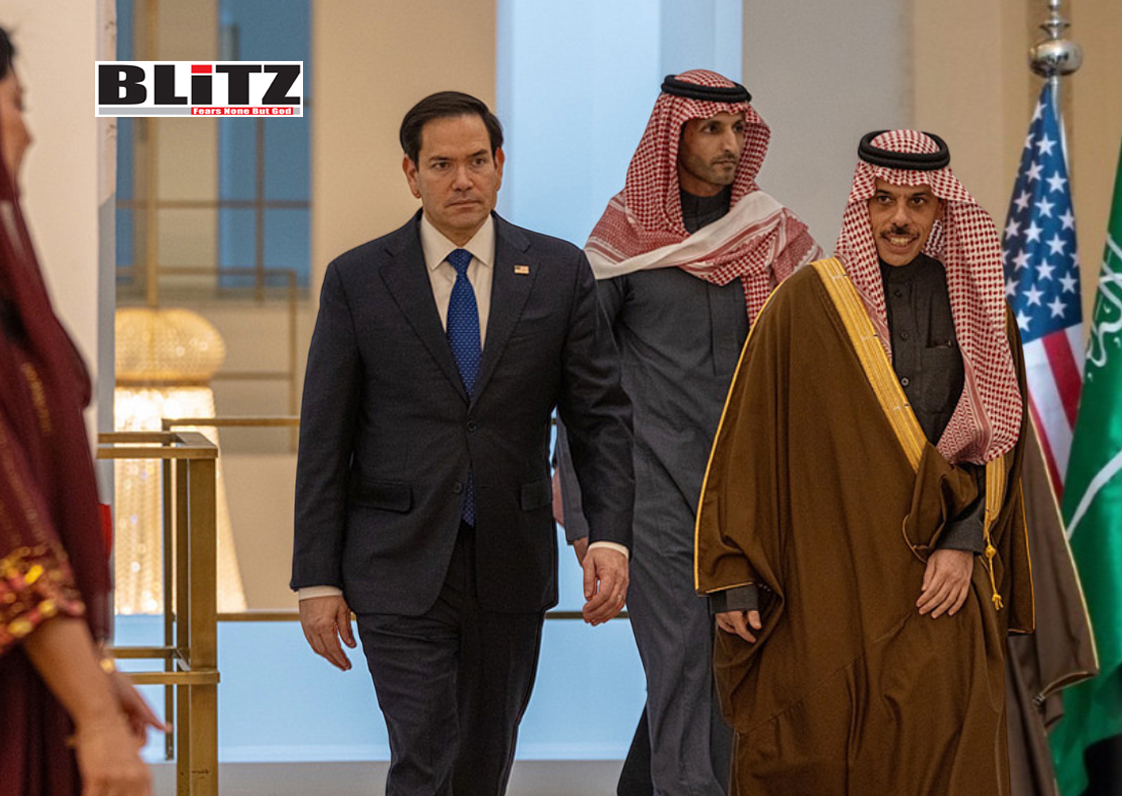
The partnership between Saudi Arabia and the United States has long stood as one of the most consequential alliances in modern international relations. Rooted in a complex blend of economic interdependence, strategic interests, and cultural diplomacy, the relationship has weathered numerous challenges over the decades. As new global and regional dynamics emerge, it is increasingly important to reassess this alliance through a balanced and forward-looking lens-one that honors the deep historical connection while embracing change and mutual benefit.
The diplomatic ties between Saudi Arabia and the United States were officially established in February 1945, with the historic meeting between King Abdulaziz bin Saud and President Franklin D. Roosevelt aboard the USS Quincy. This meeting symbolized more than the beginning of formal relations; it laid the groundwork for a post-World War II alliance shaped by oil diplomacy, regional security, and shared interests. For decades, this relationship was defined by a transactional nature-oil in exchange for military protection and strategic cooperation.
However, in recent years, both nations have shown signs of moving beyond this traditional framework. The recent announcement of a visit by President Donald Trump to the Kingdom once again brings the spotlight to this vital alliance. It offers an opportunity to reflect not only on past achievements but also on the evolving expectations and responsibilities of both partners in a rapidly changing world.
As a proud Saudi nationals, the importance of this relationship cannot be overstated. Our perspective is rooted in national pride and a deep-seated belief that Saudi Arabia has a vital role to play in regional peace and global stability. Saudi Arabia is no longer merely a supplier of energy; it is a pivotal actor in diplomacy, counterterrorism, and economic transformation.
The Kingdom’s Vision 2030 reform program reflects a commitment to economic diversification and sustainability, goals that are integral to our future security and prosperity. A modern Saudi Arabia requires partnerships that transcend oil and arms deals-partnerships that promote innovation, education, cultural exchange, and social development.
The Saudi-American alliance has long been grounded in mutual benefits. The US secures a reliable partner in the heart of the Arab and Islamic world, while Saudi Arabia gains access to advanced military capabilities and economic partnerships. Over time, cooperation has expanded into other areas, including counterterrorism, trade, technology, and cultural initiatives.
However, to ensure a resilient alliance, this cooperation must be recalibrated to emphasize sustainability, equity, and shared values. The focus should shift toward policies that uplift citizens, stimulate economic growth, and address regional instability, rather than perpetuating elite-driven interests or short-term gains.
Like any alliance, the Saudi-US relationship is not without its critics. Detractors often point to Saudi Arabia’s reliance on oil exports, human rights concerns, and the use of American-manufactured weapons in regional conflicts. While such criticisms cannot be dismissed outright, they must be understood within the broader geopolitical and security context in which Saudi Arabia operates.
The humanitarian crises in Palestine, Lebanon, and Syria-many exacerbated by regional conflicts and foreign intervention-highlight the challenges facing Arab nations. American policy decisions, including unwavering support for Israel and inconsistent human rights advocacy, have drawn considerable criticism across the Arab world. Nonetheless, it is vital to maintain constructive dialogue on reforms, while recognizing the existential security concerns that guide many of Saudi Arabia’s decisions.
The rise of new powers and regional alliances compels both Saudi Arabia and the United States to adapt. Countries like China, India, and Russia are asserting greater influence in the Middle East, offering Saudi Arabia alternative partners in trade, technology, and infrastructure development. This diversification is not a rejection of American partnership but a strategic necessity in a multipolar world.
The United States, for its part, must reckon with its waning influence in certain parts of the region. Many Arab leaders and citizens question Washington’s capacity-or willingness-to drive meaningful change, particularly in light of inconsistent foreign policies and shifting domestic priorities. The perception that the US often enables the status quo without addressing underlying socio-political issues contributes to disillusionment, especially among the younger generation in Saudi Arabia and the broader Arab world.
Saudi Arabia’s Vision 2030 is not just an economic plan-it is a statement of intent. The Kingdom seeks to reduce its dependence on oil, empower its youth, and position itself as a hub of innovation and progress in the Islamic world. This transformation will require partners who understand and support the long-term nature of these reforms.
Financial analysts like Ray Dalio and economists like Paul Krugman have pointed out vulnerabilities in global trade and economic systems, particularly under recent American administrations. These fluctuations underscore the need for Saudi Arabia to build resilient economic structures and to pursue partnerships with a broad range of countries, including but not limited to the United States.
A major point of divergence in Saudi-American relations is the issue of Palestine. The Kingdom has consistently reiterated that normalization of relations with Israel must be predicated on the creation of a viable and independent Palestinian state. While the US continues to support Israel unequivocally, this position challenges Saudi Arabia’s diplomatic leverage and regional aspirations.
Yet, Saudi Arabia’s diplomacy has been characterized by pragmatism and patience. Engagement with Arab neighbors, facilitation of dialogue in international conflicts, and efforts to de-escalate tensions across the Middle East affirm the Kingdom’s role as a stabilizing force. Balancing this diplomatic responsibility with national interests remains one of the most pressing challenges in the alliance with the US.
To navigate the road ahead, Saudi Arabia and the United States must redefine their partnership. This entails moving beyond a transactional relationship to one grounded in strategic cooperation, mutual respect, and shared responsibility. Areas such as clean energy, education, technological innovation, and cultural diplomacy offer fertile ground for growth.
It also means confronting difficult conversations-on governance, transparency, and regional military strategies. For Saudi citizens, especially the youth, there is a growing demand for engagement on global issues such as climate change, digital rights, and humanitarian advocacy. The US must respond with policies that respect Saudi sovereignty while encouraging positive transformation.
The Saudi-American alliance stands at a crossroads. As President Trump prepares to visit the Kingdom, the focus should not only be on signing deals or reiterating old commitments, but on outlining a vision for a new phase of cooperation-one that is more balanced, inclusive, and reflective of modern challenges.
Saudi Arabia’s ascent as a regional and global actor brings with it new responsibilities and opportunities. By engaging the United States as a partner-not merely a protector or supplier-the Kingdom can help build a more secure and prosperous region. In return, the United States can reaffirm its relevance by supporting meaningful reform and long-term development in the Arab world.
Ultimately, the future of Saudi-American relations lies in the willingness of both nations to listen, adapt, and collaborate. By embracing mutual respect, strategic foresight, and a commitment to shared values, this historic partnership can continue to flourish and serve as a beacon of cooperation in an increasingly complex world.
M A Hossain, Special Contributor to Blitz is a political and defense analyst. He regularly writes for local and international newspapers.