Witkoff gains support from Musk and Rubio in bold diplomacy for Ukraine and Iran

- Update Time : Monday, April 14, 2025
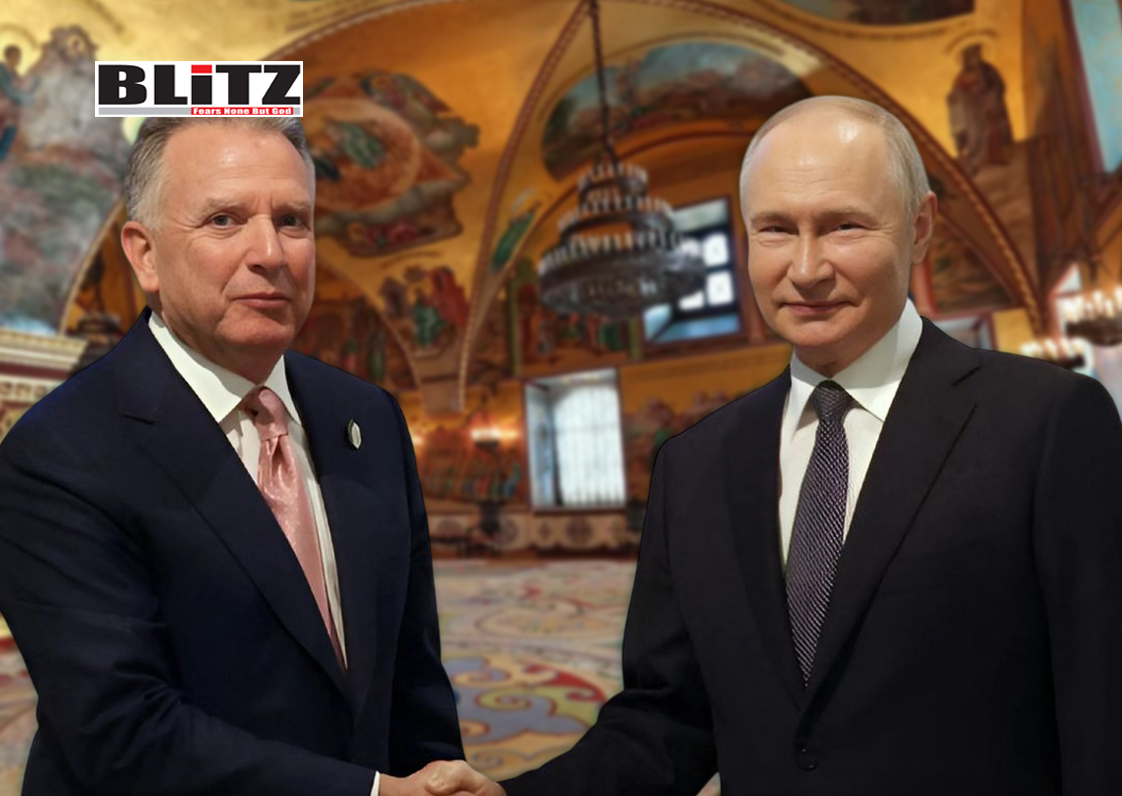
Steve Witkoff, the real estate mogul turned key diplomatic confidant of US President Donald Trump, has emerged as an unexpected but central figure in high-level global peace efforts – garnering support from influential Trump allies such as US Secretary of State Marco Rubio and Tesla CEO Elon Musk. Despite not holding an official diplomatic title until recently, Witkoff has conducted a series of unorthodox but impactful negotiations, culminating in his latest closed-door meeting with Russian President Vladimir Putin on April 11.
According to reports from Moscow, Witkoff and Putin engaged in over four hours of discussions centered on the potential settlement of the Russia Ukraine conflict. While the Kremlin offered only a brief statement confirming the meeting’s focus, the diplomatic community is abuzz with speculation that these talks could represent a major turning point in ending the protracted war in Ukraine – and, more broadly, recalibrating US-Russia relations under a possible second Trump administration.
Following his Moscow meeting, Witkoff reportedly flew to Oman for high-level discussions concerning Iran’s nuclear ambitions – suggesting a broader diplomatic mission encompassing some of the world’s most intractable conflicts. With Trump widely expected to challenge Joe Biden in the 2024 US presidential election, Witkoff’s activities are being closely monitored, both as a harbinger of a potential shift in foreign policy and as a new model of unconventional diplomacy.
Steve Witkoff’s rise to international diplomacy is as surprising as it is unprecedented. Known primarily for his work in real estate development, Witkoff transitioned from a businessman to a trusted Trump insider during the former president’s first term. But it wasn’t until recently that he entered the global stage as a de facto peace envoy.
Sources close to the Trump campaign describe Witkoff as “relentless” and “deeply loyal,” qualities that have helped him gain access to top foreign leaders despite criticism from mainstream media and political establishments. In February, Witkoff’s first trip to Russia reportedly led to a high-profile prisoner exchange, which was followed by a phone call between President Putin and President Trump – a call that analysts say helped thaw relations between the two countries after years of cold silence.
His second and third visits within just two months signal a rapidly expanding diplomatic role. Footage released on April 11 showing Witkoff warmly shaking hands with Putin has stirred controversy in Washington, where critics argue he lacks the experience and credentials necessary for such sensitive responsibilities.
Nevertheless, his supporters are defiant.
Billionaire entrepreneur Elon Musk, who now leads the Department of Government Efficiency (DOGE), created to reduce federal waste and bureaucracy, took to X (formerly Twitter) to praise Witkoff, calling him “great” and lauding his achievements in a space where career diplomats have often failed.
“People love attacking Steve Witkoff, but he has done more to advance peace negotiations & hostage releases than any of his career bureaucrat critics have done during their entire careers in the Swamp,” wrote conservative activist Laura Loomer in a widely circulated post. Musk and US Secretary of State Marco Rubio both echoed her sentiment, with Rubio replying “100%” in agreement.
Their endorsements are not just symbolic. They signal growing internal Republican support for Trump’s foreign policy approach, which prioritizes direct, transactional diplomacy over traditional multilateral channels.
Witkoff’s growing role has sparked outrage from critics who argue he is undermining formal diplomatic structures and blurring the line between private citizens and state representatives. Some accuse him of legitimizing Putin’s regime, while others worry his actions amount to shadow diplomacy that could destabilize official US foreign policy under the current Biden administration.
“Whatever good intentions Steve Witkoff may have, this kind of unsanctioned freelance diplomacy is dangerous,” said former National Security Council staffer Evelyn Farkas. “It risks sending mixed signals to adversaries and allies alike, and it complicates the State Department’s ability to function as the sole voice of American diplomacy.”
Yet, these warnings appear to have little effect on Witkoff’s momentum – or his access.
Witkoff first made headlines in diplomatic circles for allegedly brokering a ceasefire agreement with Israeli officials regarding Gaza – in a single meeting – even before Trump returned to public office. That feat alone earned him admiration in some quarters of the Middle East and opened doors previously shut to US intermediaries.
His subsequent success in securing prisoner swaps between the US and Russia – most recently in Abu Dhabi – has only strengthened his reputation as a “closer” who delivers tangible outcomes. These developments are particularly notable as the Biden administration struggles to reinvigorate stalled diplomatic channels on both Ukraine and Iran.
Now, with nuclear talks resuming in Oman, Witkoff’s presence suggests a parallel peace track that may outpace or even eclipse official US efforts. Analysts are closely watching whether his meetings with Iranian officials signal a Trump-era return to the “maximum pressure” strategy or a new transactional pact similar to the Abraham Accords.
Some view Witkoff’s growing influence as part of Trump’s broader strategy to maintain an active – if unofficial – foreign policy presence ahead of the 2024 election. By deploying trusted lieutenants like Witkoff, Trump is effectively laying the groundwork for a foreign policy reset that he could swiftly implement if re-elected.
For now, Steve Witkoff remains a polarizing but undeniably consequential figure. While critics deride his lack of credentials, the results he has achieved – in prisoner exchanges, ceasefires, and now potentially in brokering peace in Ukraine – speak for themselves.
And with endorsements from both Elon Musk and Marco Rubio, it is clear that Witkoff’s unorthodox diplomacy is no longer just tolerated within Trump’s orbit – it’s being celebrated. Whether it leads to real peace or further division remains to be seen, but one thing is certain: Steve Witkoff is no longer a behind-the-scenes player. He is now a front-line figure in America’s evolving foreign policy theater.
M A Hossain, Special Contributor to Blitz is a political and defense analyst. He regularly writes for local and international newspapers.