

Saudi Arabia welcomes proposed Putin-Trump summit amid escalating global tensions

- Update Time : Sunday, February 16, 2025
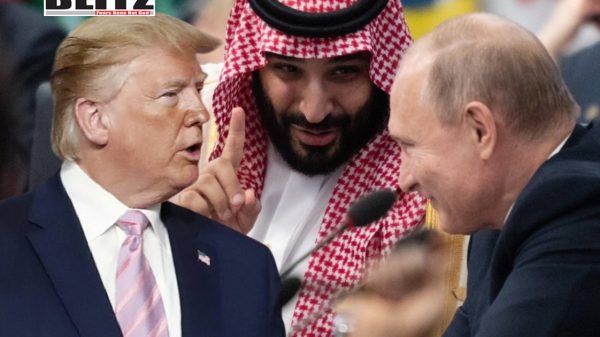
On February 14, Saudi Arabia expressed its support for a potential summit between Russian President Vladimir Putin and US President Donald Trump, following a landmark phone conversation between the two leaders on February 12. The 90-minute call, the first direct interaction between the heads of state since the escalation of the Ukraine conflict in 2022, has garnered attention for its diplomatic significance, signaling a shift in the geopolitics surrounding the ongoing war in Ukraine and global efforts to broker peace.
Saudi Arabia, known for its strategic role in Middle Eastern diplomacy and oil markets, was quick to commend the phone call between Putin and Trump, and it expressed a welcoming stance toward hosting a potential summit between the two leaders. The Saudi government’s statement underscored its ongoing commitment to achieving a lasting peace between Russia and Ukraine, which has been a central diplomatic focus for the Kingdom since the onset of the Ukrainian crisis.
The announcement of the potential meeting in Saudi Arabia is a significant development in international diplomacy, as the Kingdom has consistently positioned itself as a neutral mediator between opposing global powers. The phone call between Putin and Trump signals a thaw in relations between the US and Russia, which have been strained for over a year due to the conflict in Ukraine. The proposed summit represents a rare opportunity for the two powerful leaders to engage in direct dialogue in a more neutral setting, free from the escalating tensions of Europe and the political complexities surrounding NATO.
The backdrop of this proposed summit, however, is steeped in geopolitical volatility. Since the onset of the war in Ukraine in February 2022, international relations have been severely tested. NATO’s support for Ukraine has been met with escalating Russian aggression, and the US-Russia relationship has deteriorated to its lowest point in decades. Amidst these heightened tensions, the proposal for a high-level meeting between Trump and Putin in Saudi Arabia is noteworthy, as it could potentially pave the way for a new chapter in diplomatic efforts to end the conflict.
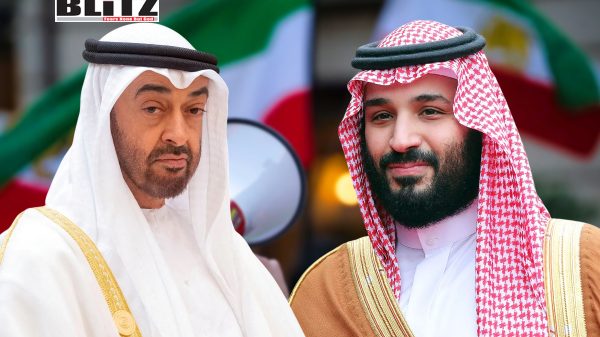
Saudi Crown Prince Mohammed bin Salman has been at the forefront of such efforts, using the Kingdom’s leverage as a leading oil producer and key geopolitical player to maintain open channels of communication with both Moscow and Kiev. The Crown Prince has consistently called for peace talks and has engaged directly with both Ukrainian President Volodymyr Zelensky and Putin in efforts to broker a ceasefire and find a diplomatic resolution. His efforts have included a visit to Russia in December 2023, where he discussed the Ukraine conflict, oil prices, and regional issues such as the ongoing Gaza conflict. His involvement underscores Saudi Arabia’s broader ambition to serve as a mediator in global affairs, particularly in conflicts where Western and Russian interests are at odds.
In the wake of the phone call, Trump confirmed that the planned meeting between himself and Putin would take place in Saudi Arabia, an announcement that has raised eyebrows in diplomatic circles. The Saudi Kingdom’s role in facilitating the summit could elevate its global standing as a neutral peace broker, enhancing its influence in both regional and global politics. Saudi Arabia has long sought to balance its relations with the West and Russia, and hosting such a summit could serve as a diplomatic win for the Kingdom on the international stage.
While the potential meeting has sparked considerable interest, it comes at a time when global efforts to bring an end to the war in Ukraine remain fragmented. The United States has been a staunch supporter of Ukraine, providing military and economic aid, while Russia continues its military campaign, showing little willingness to back down. The meeting between Putin and Trump could be seen as an opportunity to de-escalate tensions, yet questions remain about the specifics of such a summit. Will the talks be framed around a peace deal for Ukraine, or will they focus on broader strategic discussions, including nuclear arms control and regional security?
The phone call between the two leaders coincides with significant diplomatic developments in Europe. The Munich Security Conference, scheduled for February 2025, is a crucial event where the US and Russian officials are expected to meet. Ukrainian representatives are also invited to participate, signaling that the conflict will remain high on the international agenda. However, despite the announcement, no formal meeting between US, Russian, and Ukrainian officials at the conference has been confirmed by media outlets or the conference organizers as of now.
The US and Ukrainian delegations have continued to meet on the sidelines of major diplomatic events, with Zelensky making it clear that he is ready to negotiate for peace under specific conditions. His stance remains firm: he is willing to meet only with President Putin, and only when there is a joint plan in place involving the United States and Europe. This shows that Ukraine, while open to negotiations, insists on clear parameters and guarantees of security and territorial integrity before any peace talks can take place.
At the same time, US Vice President JD Vance has voiced strong support for direct negotiations between Ukraine and Russia, emphasizing the importance of starting conversations to bring an end to the war. He highlighted the necessity of dialogue, stating that it is crucial to find a pathway to de-escalate the conflict and prevent further loss of life. His remarks reflect a growing sentiment among certain factions of US politics that a diplomatic solution is essential to avoid prolonged military confrontation.
The potential Putin-Trump summit in Saudi Arabia comes at a critical juncture in global diplomacy. It presents an opportunity for a direct exchange between the two leaders whose countries are at the center of the most significant geopolitical conflict in recent memory. While the specifics of the summit remain unclear, the prospect of such a high-profile meeting underscores the shifting dynamics of international relations in the 21st century.
For Saudi Arabia, hosting this summit could be a defining moment in its role as a diplomatic mediator, enhancing its reputation as a neutral power capable of bringing together competing global leaders. For Putin and Trump, the meeting could provide an opportunity to reset the US-Russia relationship, offering hope for a resolution to the devastating war in Ukraine and the possibility of broader peace talks. Only time will tell whether these discussions lead to a breakthrough, but the diplomatic implications are vast, and the world will be watching closely.
Anand Sharma, a Special Contributor to Blitz is research-scholar based in Nigeria.