Biden and Harris relationship strains after electoral defeat

- Update Time : Thursday, January 2, 2025
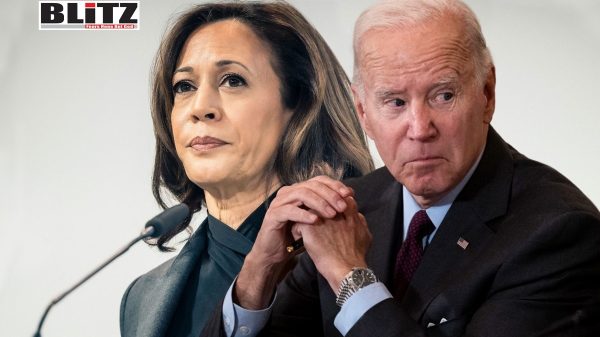
Relations between outgoing US President Joe Biden and Vice President Kamala Harris have reportedly grown increasingly strained, according to a report by The Wall Street Journal. The tension, described as both political and personal, has allegedly worsened in the wake of Harris’s recent defeat in the presidential election against former President Donald Trump. Sources close to the administration suggest that the dynamic between the Biden and Harris families, once cooperative in the early days of the administration, has grown markedly colder.
A significant point of friction, according to the WSJ, lies between First Lady Jill Biden and Vice President Harris. Jill Biden is said to have harbored reservations about Harris dating back to the contentious 2020 Democratic primary debates. During the debates, Harris delivered pointed criticisms of Biden’s past opposition to federal busing programs, a policy designed to desegregate schools. Harris’s remarks, which invoked her own experiences as a child, reportedly struck a deeply personal chord with Jill Biden, leading to a lingering unease.
The fallout from this episode appears to have colored subsequent interactions. While the two leaders maintained a facade of unity for most of the administration, the deterioration in their relationship became evident in the aftermath of Harris’s electoral loss. According to sources familiar with the situation, private interactions between the Bidens and Harris’s family-including Second Gentleman Doug Emhoff-have at times been frosty.
President Biden’s frustrations with the current situation extend beyond personal grievances. The Washington Post reported that Biden has privately expressed regret over his decision to step aside from the 2024 election. While Biden publicly cited age and health concerns as factors in his withdrawal, insiders suggest he believes he could have been a more formidable opponent against Trump, particularly given his 2020 victory over the former president.
Biden’s confidence in his own candidacy is reportedly shared by some of his advisers, who have pointed to his extensive political experience and track record as advantages Harris could not replicate. “He’s made it clear to confidants that stepping aside might have been a mistake,” one source revealed. “He believes his leadership, even with its flaws, offered stability and a strong counterpoint to Trump.”
Harris’s loss to Trump in the November election has compounded tensions within the Democratic Party. Critics argue that Harris struggled to connect with key voter blocs, including independents and working-class Americans, despite efforts to position herself as a progressive yet pragmatic leader. Her campaign faced challenges in overcoming skepticism about her leadership capabilities and her ability to address pressing national issues effectively.
The defeat has reportedly widened the rift between Biden and Harris. According to the WSJ, Biden’s belief that he could have performed better in the race has exacerbated existing tensions. Meanwhile, Harris’s allies have pushed back against such criticisms, arguing that she faced an uphill battle due to Trump’s deeply entrenched base and the polarization of the electorate.
Despite the reports of growing discord, the White House has sought to downplay any notion of internal strife. Spokesman Andrew Bates dismissed claims of a rift, stating that both Biden and Harris remain focused on delivering results for American families. Bates highlighted the administration’s achievements, describing them as “the most groundbreaking record of any modern administration.”
However, public perception of the administration’s unity has been overshadowed by lingering doubts about its leadership. Biden’s decision to step aside in July followed a contentious televised debate with Trump, during which Biden’s performance drew widespread criticism. Struggling to articulate his policies clearly, Biden later admitted he “screwed up” during the debate, fueling concerns about his age and cognitive abilities. These concerns ultimately influenced his decision to withdraw from the race, paving the way for Harris to lead the Democratic ticket.
The first lady’s reservations about Harris have reportedly contributed to the strained dynamics within the administration. Jill Biden’s role as a trusted adviser to the president has given her significant influence, and her discomfort with Harris’s leadership style has occasionally surfaced in private discussions. According to insiders, Jill Biden’s skepticism stems from both personal and professional considerations, including concerns about Harris’s ability to unify the party and appeal to moderate voters.
Meanwhile, Harris’s supporters argue that the vice president has faced unfair scrutiny, both from within the administration and from external critics. They point to systemic challenges, such as entrenched partisanship and media bias, as factors that have complicated her efforts to establish herself as a national leader.
The reported tensions between Biden and Harris have broader implications for the Democratic Party, which now faces the challenge of rebuilding its image and charting a path forward. Harris’s defeat has raised questions about the party’s strategy and its ability to address the concerns of a divided electorate.
Some Democrats have called for a reevaluation of the party’s messaging and leadership, arguing that a more inclusive and dynamic approach is needed to counter Republican gains. Others have suggested that the Biden-Harris administration’s accomplishments, such as significant legislative victories and economic recovery efforts, should be more effectively communicated to voters.
As the Democratic Party looks ahead, the relationship between Biden and Harris will remain a focal point. Whether the two leaders can reconcile their differences and work together to strengthen the party remains uncertain. For now, the reported rift serves as a reminder of the challenges inherent in navigating the complexities of political partnerships and the high stakes of national leadership.
In the meantime, Republicans are seizing on the reported discord as evidence of Democratic disarray. Trump, emboldened by his victory, has already begun framing the election as a mandate for his policies, further complicating the Democrats’ efforts to regroup.
As the dust settles, one thing is clear: the Biden-Harris administration’s legacy will be shaped not only by its policy achievements but also by the personal and political dynamics that defined its tenure. Whether this legacy serves as a cautionary tale or a blueprint for future leadership remains to be seen.
Tajul Islam is a Special Correspondent of Blitz. He also is Local Producer of Al Jazeera Arabic channel.