Immigration and innovation divides the MAGA movement

- Update Time : Wednesday, January 1, 2025
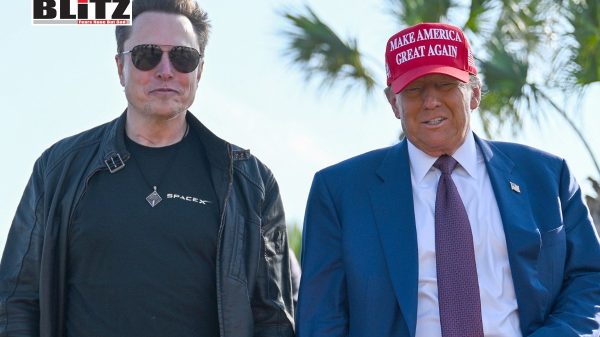
The intersection of immigration, American politics, and innovation has long been a contentious space, and the recent debate surrounding Elon Musk, Vivek Ramaswamy, and the H-1B visa program exemplifies its explosive nature. The MAGA movement, a cornerstone of Donald Trump’s political brand, has been thrust into an ideological battle over what role immigration should play in shaping America’s future-and, more importantly, who gets to shape that vision.
Elon Musk, a South African-born entrepreneur, has been at the center of this storm. Known for his innovative ventures and often polarizing opinions, Musk’s close relationship with President-elect Donald Trump has drawn both praise and ire. Musk’s influence has grown substantially, especially after he was tapped to co-lead the planned Department of Government Efficiency alongside entrepreneur Vivek Ramaswamy. Their ambitious agenda includes drastic cuts to federal budgets, slashing the workforce, and streamlining government operations. Yet, their stance on immigration reform and the H-1B visa program has ignited a battle within the MAGA movement that underscores deep ideological divisions.
Musk’s relationship with Trump blossomed during the 2024 election campaign, where he reportedly donated millions of dollars through political action committees. While initially met with neutrality by the MAGA base, Musk’s increasing visibility and influence have become a flashpoint. Critics from both sides of the aisle have accused Trump of allowing Musk to overshadow his presidency. Some even claim that Musk’s outsized role is advancing his own interests under the guise of efficiency and reform.
Trump’s decision to involve Musk in his administration-albeit in an advisory capacity-was always bound to stir controversy. Musk’s pragmatic and, at times, unorthodox ideas challenge the traditional MAGA narrative, particularly on immigration. When paired with Ramaswamy, an Indian-American entrepreneur, their efforts to inject meritocratic principles into the immigration debate clashed directly with MAGA’s nationalist underpinnings.
Immigration has always been central to Trump’s platform. The “America First” agenda resonates deeply with his base, many of whom view immigration-especially skilled immigration-with skepticism. The appointment of Sriram Krishnan, an Indian-American technologist, as Trump’s artificial intelligence adviser further fanned the flames. MAGA activist Laura Loomer described the appointment as “deeply disturbing,” claiming it contradicted the “America First” ethos.
This sentiment erupted into a larger debate when Musk and Ramaswamy openly supported expanding the H-1B visa program. They argued that America’s technological and economic leadership depends on attracting top global talent. Musk, in particular, framed the issue through the lens of sports, saying, “If you want your team to win the championship, you need to recruit top talent wherever they may be.”
Ramaswamy’s remarks further inflamed the debate. In a tweet, he criticized American culture for “venerating mediocrity over excellence,” pointing to a societal preference for the “prom queen over the math Olympiad champ.” This statement, while intended to underscore the need for reform, was seen by many conservatives as an attack on traditional American values. Prominent MAGA voices pushed back, arguing that America was great long before programs like H-1B visas and accusing Musk and Ramaswamy of undermining the nation’s cultural fabric.
The immigration debate exposes a fundamental tension within the MAGA movement. On one hand, there is the nationalist wing, which views immigration as a threat to American jobs and cultural identity. On the other hand, there is a growing recognition among some MAGA leaders that America’s global competitiveness depends on its ability to attract skilled workers.
Trump’s response to this debate was pivotal. In a surprising break with his conservative base, he voiced strong support for the H-1B visa program. Speaking to The New York Post, he described the program as “a great initiative” and revealed that many of his own properties employ workers on such visas. “I’ve always liked the visas. I have always been in favor of the visas,” Trump stated, framing his stance as a practical decision to keep America competitive.
This endorsement from Trump effectively sealed the debate in favor of Musk and Ramaswamy, at least for now. However, it also highlighted the president-elect’s willingness to prioritize pragmatic solutions over ideological purity, even at the risk of alienating parts of his base.
Musk’s defense of the H-1B program and skilled immigration underscores his broader vision for America. He sees the country’s future as being rooted in meritocracy and innovation. “America rose to greatness over the past 150 years because it was a meritocracy more than anywhere else on Earth,” Musk wrote on his social media platform, X. “I will fight to my last drop of blood to ensure that it remains that land of freedom and opportunity.”
Yet, Musk’s vision also comes with challenges. Critics argue that his emphasis on efficiency and meritocracy risks dehumanizing the immigration debate, reducing individuals to their economic utility. Furthermore, his proposals to drastically reduce the federal workforce and eliminate entire agencies have raised concerns about their social and economic impact.
The immigration debate sparked by Musk and Ramaswamy goes beyond the MAGA movement. It reflects a broader tension in American politics between populist nationalism and globalist pragmatism. As the country grapples with economic challenges, including a national debt exceeding $36 trillion, the question of how to balance these competing ideologies will only grow more urgent.
For Trump, aligning with Musk and Ramaswamy on immigration represents a calculated risk. It reinforces his image as a leader willing to make tough decisions for the sake of America’s future, even if it means defying his base. However, it also opens the door for potential backlash from voters who feel their concerns about cultural and economic displacement are being ignored.
The battle over immigration within the MAGA movement is far from over. Musk’s advocacy for skilled immigration and Trump’s endorsement of the H-1B program signal a shift toward a more pragmatic approach, but this shift comes with significant political risks. As Trump prepares to take office, how he navigates this delicate issue will have profound implications not only for his presidency but for the future of the MAGA movement itself.
Ultimately, the debate highlights the complex and often contradictory nature of American politics. It underscores the need for leaders to balance ideological commitments with practical considerations, ensuring that America remains both a beacon of opportunity and a land that prioritizes the needs of its citizens. For now, Musk and Ramaswamy have emerged as powerful voices in this debate, but the question of whose vision will ultimately prevail remains open.
Tajul Islam is a Special Correspondent of Blitz. He also is Local Producer of Al Jazeera Arabic channel.