Kyrgyzstan adopts controversial media law amid fears of press suppression

- Update Time : Sunday, August 10, 2025
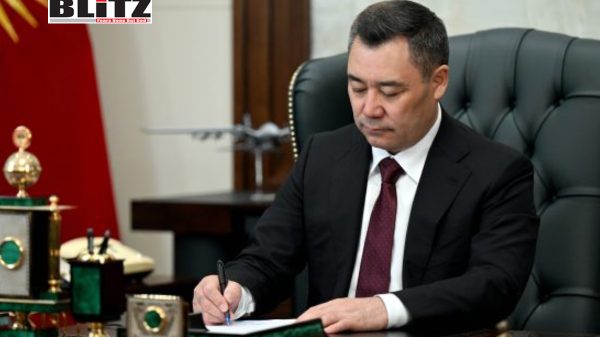
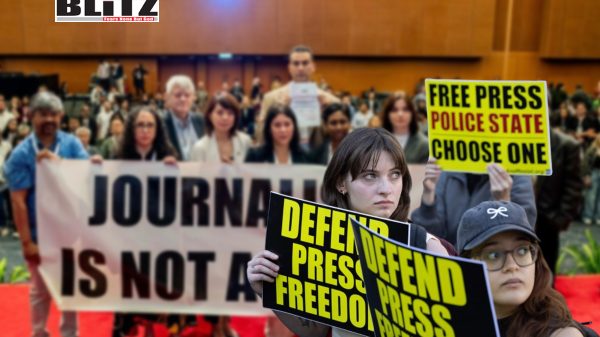
Kyrgyzstan has recently taken a significant and contentious step in reshaping its media landscape by passing a new media law that grants the government sweeping control over media outlets in the country. Signed into law by President Sadyr Japarov, this legislation has triggered alarm among journalists, human rights advocates, and international watchdogs, who warn that it could severely curtail press freedom and jeopardize the independence of journalism in Kyrgyzstan.
The new media law, which had been under debate for over two years, represents a dramatic shift in how media organizations-including websites and blogs-will operate in Kyrgyzstan. While the president’s administration has framed the legislation as a measure designed to foster the development of independent and competitive media, critics argue that the law’s provisions effectively consolidate government authority over the press and could be used to suppress dissent.
At the heart of the controversy is the law’s requirement that all media outlets must register with the state. This registration mandate covers traditional media as well as digital platforms, meaning that nearly every source of news and opinion in the country falls under government scrutiny. The Cabinet of Ministers has been vested with the power to define the registration process, set rules for re-registration, and determine conditions for terminating media organizations’ licenses. This places the regulation of media squarely in the hands of the executive branch, bypassing parliamentary or judicial checks and balances.
Additionally, the Ministry of Justice will maintain an official registry cataloging both active and defunct media outlets. Beyond registration, the law also imposes a cap on foreign ownership of media, restricting it to a maximum of 35 percent. This applies equally to private investors and non-profit organizations, ostensibly to prevent excessive foreign influence but critics see it as a further constraint on media pluralism and independence.
Legal experts in Kyrgyzstan and abroad have raised grave concerns about the potential repercussions of the law. Many argue it opens the door for arbitrary government interference, enabling authorities to target independent outlets under the guise of regulatory compliance.
The Bishkek-based Institute Media Policy released an analysis urging the president not to sign the bill. The group emphasized that “mandatory registration as a condition for the commencement of media activities may create unnecessary barriers and provide an opportunity for administrative pressure.” They called for any registration, re-registration, and de-registration procedures to be clearly defined by law rather than left to the government’s discretion.
International human rights organizations have also weighed in, warning that the law will likely be used to further restrict freedom of expression. Human Rights Watch, together with ten other NGOs, condemned the law in a joint statement. They described it as a serious threat to press freedom and urged President Japarov to veto the bill and send it back to parliament for revision, stressing the need for consultations with civil society and media representatives.
The Committee to Protect Journalists (CPJ) expressed similar concerns. Gulnoza Said, CPJ’s Europe and Central Asia program coordinator, stated, “Considering Kyrgyzstan’s unprecedented media crackdown, Parliament’s last-minute reintroduction of repressive clauses into the new media law bill is dangerous and rightly sparks deep concern for the press.”
The origins of the law trace back to October 2022, when the presidential administration initially proposed the bill. The proposal faced swift backlash from journalists and media experts who feared that it would stifle independent voices rather than protect them.
In response to the criticism, a working group composed of journalists, media experts, and government representatives was established to revise the draft. By March 2024, President Japarov himself ordered further changes, which led to the formation of a second working group aimed at producing a more balanced version.
The revised draft, submitted to parliament in January 2025, removed the mandatory registration clause and instead introduced voluntary registration for media outlets. This was widely hailed as a compromise intended to alleviate fears of excessive government control and encourage media diversity.
However, this hope was short-lived. During the second reading of the bill in parliament, lawmakers unexpectedly reinserted the mandatory registration requirement, reversing the progress made during the revision process. This move shocked the working group, which condemned the amendments as a betrayal of previously agreed compromises and expert assessments.
The working group publicly stated, “During the second reading, amendments were made that essentially annul previously reached agreements, compromises, and expert assessments.” This reversal has fueled suspicions that political interests within parliament sought to impose tighter controls over the media, regardless of prior consultations and efforts to protect press freedom.
The adoption of this media law comes at a time when Kyrgyzstan’s democratic institutions are under pressure. Since President Japarov came to power, the country has witnessed an increasing consolidation of authority around the executive branch. Many observers believe the new law fits into a broader pattern of eroding checks and balances, limiting dissent, and curbing civil liberties.
Independent journalists in Kyrgyzstan now face the risk of administrative harassment, potential shutdowns, and increased government interference in editorial content. The mandatory registration system may be exploited to delay, deny, or revoke licenses of critical media outlets, thereby shrinking the space for diverse and independent reporting.
Moreover, the law’s restrictions on foreign ownership could further isolate Kyrgyz media from international collaboration and funding, making it harder for outlets to maintain editorial independence and financial sustainability.
For Kyrgyz society, a free and independent press has long been seen as vital for holding those in power accountable and fostering an informed citizenry. The new media law risks turning media outlets into instruments of state propaganda rather than platforms for free expression and public debate.
International organizations, including the United Nations, media freedom advocacy groups, and diplomatic missions, have expressed concern over the law’s passage. They emphasize the importance of press freedom as a cornerstone of democratic governance and urge Kyrgyz authorities to reconsider measures that may infringe on these rights.
Many are calling on President Japarov to use his veto power or push for a parliamentary review involving extensive dialogue with civil society. They stress that any media law should balance legitimate regulatory needs with robust protections for independent journalism.
Kyrgyzstan’s newly enacted media law marks a troubling development for media freedom in the country. While presented as a framework to support independent and competitive media, its provisions grant expansive government control that critics fear will lead to censorship, administrative pressure, and the narrowing of journalistic freedoms.
The law’s mandatory registration requirement, executive-dominated oversight, and foreign ownership restrictions collectively threaten to undermine the pluralism and independence of Kyrgyzstan’s media sector. The reversal of previously agreed compromises in parliament further deepens concerns about the country’s commitment to democratic principles.
As Kyrgyzstan navigates this new chapter, the international community, media advocates, and the public alike will be watching closely. The future of press freedom in Kyrgyzstan now hangs in a delicate balance, and the actions of President Japarov and lawmakers in the coming months will be critical in determining whether the country moves toward greater openness or further repression of its media.
Damsana Ranadhiran, Special Contributor to Blitz is a security analyst specializing on South Asian affairs.