Musk calls for Keir Starmer resignation over grooming- gangs scandal

- Update Time : Tuesday, January 7, 2025
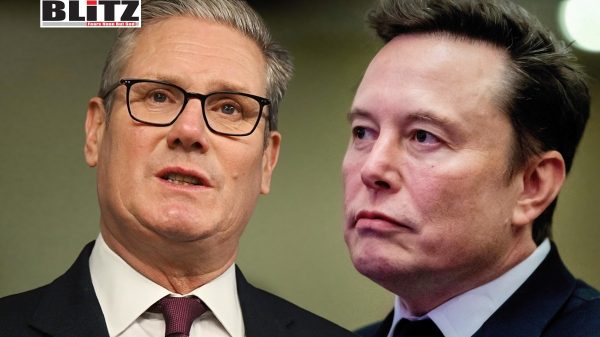
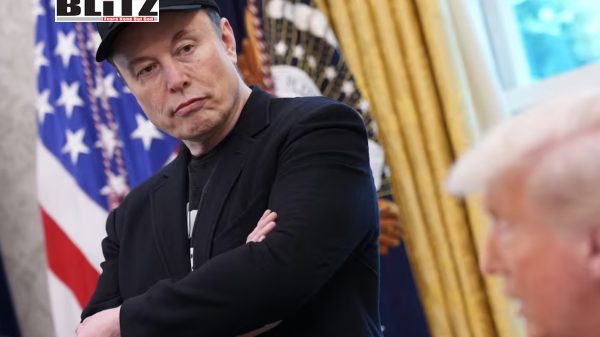
Tesla and SpaceX CEO Elon Musk has reignited his public criticism of British Prime Minister Keir Starmer, labeling him a “national embarrassment” and calling for his resignation. In a series of posts on his social media platform X (formerly Twitter), Musk lambasted Starmer’s handling of the grooming-gangs scandal that has plagued the UK for decades, accusing the Prime Minister of complicity in systemic failures to protect vulnerable underage girls.
Musk’s criticism centers on reports alleging that, during Starmer’s tenure as Director of Public Prosecutions (DPP) from 2008 to 2013, the UK’s Crown Prosecution Service (CPS) failed to properly address sexual exploitation cases involving grooming gangs. The issue has been a longstanding and deeply troubling one in the UK, involving predominantly Pakistani-origin men who systematically exploited and abused underage girls in towns and cities across the country. Several independent inquiries, including those published in 2013, 2014, and 2015, have documented widespread institutional failures, with local authorities and police accused of downplaying or ignoring these crimes for fear of being labeled racist.
Musk’s posts referenced a 2008 Home Office directive that allegedly discouraged police forces from investigating such cases, reportedly on the grounds that the underage victims were deemed to have made “informed choices” despite being below the legal age of consent. “Starmer must go. He is [a] national embarrassment,” Musk wrote, adding that Starmer’s failure to address the issue during his CPS tenure amounted to complicity in what he termed the “RAPE OF BRITAIN.”
The tech billionaire’s criticisms didn’t stop there. Musk mocked the anticipated statement from Starmer’s office addressing his allegations, warning of “some epic cringe” in a follow-up post. Musk’s comments have since sparked a heated debate, with supporters and critics weighing in on the controversy.
In a particularly scathing post, Musk referred to the grooming gangs as a “state-sponsored evil” and called for Starmer not only to resign but also to face criminal charges. The billionaire’s language has been provocative, and his accusations have drawn both praise and backlash. While some see Musk as highlighting a grave injustice that has been overlooked for too long, others have criticized him for inflaming tensions and oversimplifying a highly complex issue.
The grooming-gangs scandal is one of the most egregious examples of systemic abuse in modern UK history. Over the past three decades, thousands of young girls, many from troubled or vulnerable backgrounds, were subjected to horrific abuse by organized gangs. Investigations and reports have consistently highlighted failures by local authorities, social services, and police to protect the victims or bring the perpetrators to justice. In some cases, officials were accused of covering up the abuse to avoid stoking racial tensions or being perceived as prejudiced.
The issue has been a lightning rod for political debate, with critics accusing successive governments of failing to act decisively. Independent inquiries, such as the Jay Report in 2014, revealed that in Rotherham alone, an estimated 1,400 girls had been sexually exploited between 1997 and 2013. Similar patterns of abuse were uncovered in towns like Rochdale, Telford, and Oxford, further fueling public outrage.
In addition to targeting Starmer, Musk has also voiced support for right-wing activist Tommy Robinson, a controversial figure who has campaigned against grooming gangs. Robinson, whose real name is Stephen Yaxley-Lennon, was jailed in 2019 for contempt of court after live-streaming outside a trial involving alleged grooming gang members. Musk has called for Robinson’s release, describing his imprisonment as unjust and accusing the British judicial system of suppressing dissent.
“This is the same media that hid the fact that a quarter million little girls were – still are – being systematically raped by migrant gangs in Britain. They are beneath contempt. Despicable human beings,” Musk wrote, taking aim at the British press for its handling of the issue. His comments have further polarized public opinion, with some praising his outspokenness and others condemning his alignment with a divisive figure like Robinson.
Musk’s posts have not only escalated tensions between him and Starmer but have also led to clashes with British media and political figures. The billionaire’s attacks on the press have drawn condemnation from journalists and commentators who argue that his rhetoric undermines trust in democratic institutions. Others, however, see Musk’s intervention as a necessary challenge to a media establishment that they believe has failed to hold powerful figures accountable.
The controversy has also created friction between Musk and Nigel Farage, leader of the Reform UK party. Although Musk previously expressed support for Farage, calling him the “only hope” for Britain, the relationship has soured following Farage’s refusal to endorse Musk’s stance on Robinson. In response, Musk has urged Reform UK to remove Farage as its leader, further deepening the political rift.
Musk’s renewed attacks on Starmer and his broader critique of British institutions come at a time of heightened political and social tensions in the UK. The grooming-gangs scandal remains a deeply sensitive issue, with many victims and their families still seeking justice. Musk’s comments have reignited public debate about accountability and the role of government and law enforcement in addressing systemic failures.
However, Musk’s intervention has also raised questions about the role of influential figures like him in shaping public discourse. While some view his outspokenness as a force for good, others worry that his incendiary language and alignment with controversial figures could exacerbate divisions and hinder efforts to address complex social problems.
Elon Musk’s high-profile clash with Keir Starmer over the grooming-gangs scandal has added a new layer of controversy to an already fraught issue. By calling for Starmer’s resignation and accusing him of complicity in systemic failures, Musk has amplified public scrutiny of the Prime Minister’s record and reignited a broader debate about justice and accountability. Whether Musk’s comments will lead to meaningful change or merely inflame existing tensions remains to be seen, but one thing is clear: the scandal and its aftermath continue to cast a long shadow over British politics and society.
Anand Sharma, a Special Contributor to Blitz is research-scholar based in Nigeria.