US faces backlash for pressuring allies on China high-tech restrictions

- Update Time : Tuesday, September 10, 2024
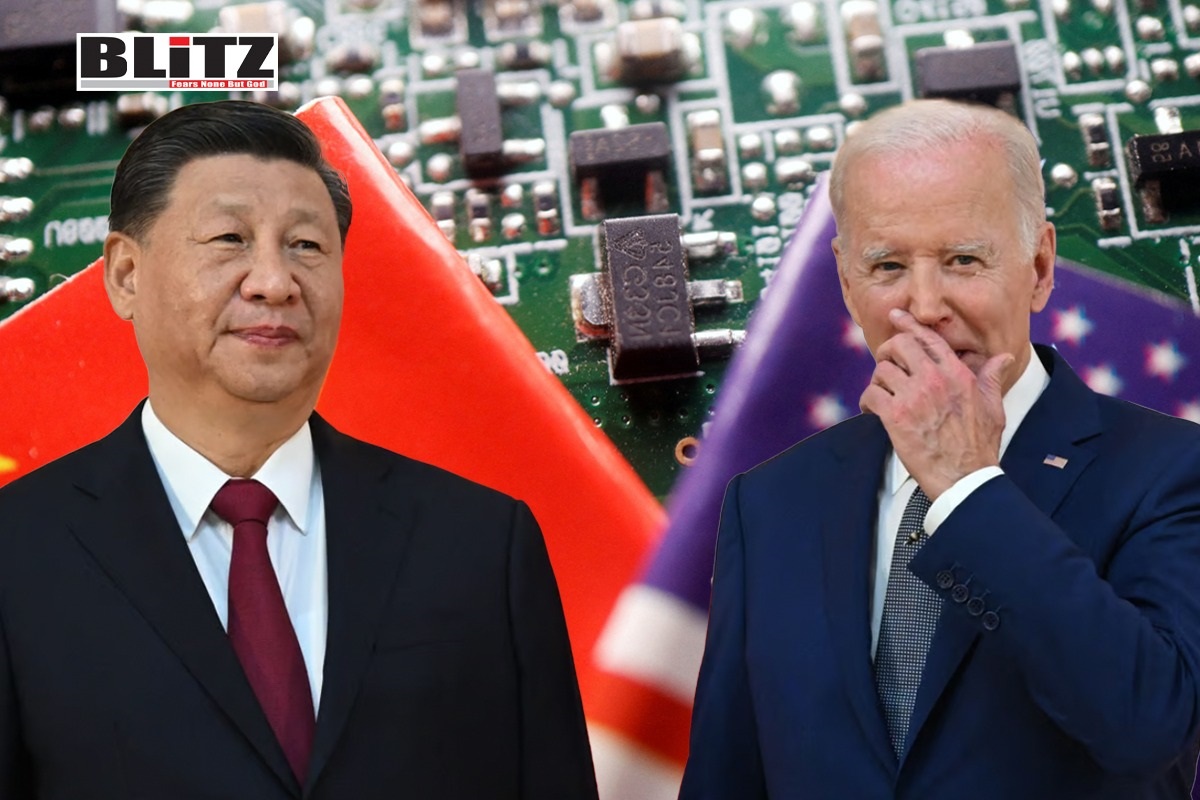
In its effort to curb China’s high-tech advancements, the United States has intensified its pressure on key allies like the Netherlands, Japan, and South Korea to impose stricter restrictions on China’s access to semiconductor technology. However, this aggressive approach is increasingly met with discontent, as these nations grow concerned about the long-term impact on their own economic interests. The growing resistance highlights the friction between the US-led containment policy toward China and the national interests of its allies.
One of the most prominent examples of this tension is the Dutch company ASML, a global leader in chip-making equipment. On Wednesday, ASML’s CEO Christophe Fouquet expressed his frustration over the continuous demands from the US to limit exports to China, remarking that the restrictions, originally justified on grounds of national security, now appear to be driven more by economic motivations. Fouquet admitted that proving these restrictions are still genuinely about national security is becoming increasingly difficult. This marks a significant shift, as resistance to US-imposed policies is building not just among ASML’s leadership but also among other key players in the industry.
Fouquet’s remarks are not an isolated incident. His predecessor, Peter Wennink, had also voiced similar concerns, arguing that the ongoing US restrictions would hurt the global semiconductor supply chain and damage ASML’s long-standing business relationships. The concerns go beyond ASML—Japanese and South Korean semiconductor manufacturers are also wary of US pressure to cut ties with China. The fear among these manufacturers is that adhering to these restrictions could result in long-term damage to their trade relations with China, a vital market for their products.
At the heart of the growing discontent is the recognition that the US strategy to limit China’s technological advancements is not only harming China but also the economies of its allies. For nations like the Netherlands, Japan, and South Korea, China represents a crucial market. Disrupting this market in the name of US security objectives poses a direct threat to the economic stability of these countries.
Lü Xiang, a research fellow at the Chinese Academy of Social Sciences, has been particularly vocal about the detrimental impact of the US’s approach. According to Lü, US allies have been forced into compliance with Washington’s demands due to US hegemonic influence, but these policies have already resulted in significant economic damage to these nations. The continued pressure is unsustainable, Lü argues, as it fails to consider the national economic interests of these countries.
The situation is particularly dire for South Korea. In 2023, the country recorded a $18 billion trade deficit with China, marking the first time in 31 years that South Korea had a trade shortfall with its largest trading partner. Analysts attribute much of this downturn to the drop in semiconductor exports, a direct result of US-imposed export restrictions on China. These restrictions have hampered the ability of South Korean companies to maintain their competitive edge in the Chinese market, putting a strain on South Korea’s overall economic performance.
Critics argue that the US’s insistence on limiting technological cooperation with China goes beyond security concerns. Many view the US actions as a form of economic coercion aimed at preserving its global dominance in the technology sector. By forcing its allies to implement strict export controls, Washington is attempting to suppress China’s technological development, especially in high-tech areas like semiconductors, artificial intelligence, and advanced manufacturing.
This strategy is viewed by many as short-sighted. While it may slow down China’s technological progress in the short term, it also disrupts global supply chains and creates significant costs for the US’s allies. Lü Xiang and others argue that US allies, by acting as the “frontline” in the US’s containment strategy toward China, are effectively sacrificing their own economic interests for the sake of Washington’s geopolitical goals.
Japan, South Korea, and the Netherlands, for instance, have deeply entrenched economic ties with China, particularly in industries like semiconductors, electronics, and advanced manufacturing. China’s role as a major consumer market makes it irreplaceable in many sectors. However, Washington’s leveraging of security dependencies to force compliance has put these relationships in jeopardy.
Despite repeated efforts by the US to expand its global alliances, many of its partners feel that Washington has failed to deliver any tangible benefits in return. US foreign policy often appears to prioritize its own interests at the expense of its allies’ economies. While the US emphasizes the importance of a unified front in countering China, it has not shown a willingness to offset the economic losses faced by its allies as a result of these policies.
For example, neither the US’s transatlantic partnerships nor its Indo-Pacific Economic Framework have included any serious commitments to provide its allies with greater access to the US market. This leaves nations like South Korea, Japan, and the Netherlands bearing the economic consequences of restrictive measures designed to protect US interests.
The result has been growing frustration among these nations, which find themselves caught between maintaining their long-standing security alliances with the US and safeguarding their own economic ties with China. This tension is increasingly difficult to reconcile, especially as economic losses mount and the US shows no signs of offering meaningful compensation or economic alternatives.
Ironically, the US’s attempt to contain China by pressuring its allies is not yielding the desired results. Despite Washington’s efforts to restrict China’s access to high-tech components, China continues to make advancements in areas like artificial intelligence, quantum computing, and 5G networks. Furthermore, instead of fostering a cohesive alliance against China, the US is finding itself surrounded by disgruntled partners who are growing more vocal in their opposition.
The longer the US continues to impose its restrictive measures on allies, the more difficult it will be to maintain the unity of its alliances. Allies that feel economically disadvantaged by these policies may begin to distance themselves from Washington’s anti-China agenda, opting instead to prioritize their own national interests.
In the end, the US’s aggressive approach could backfire, leaving it with weakened alliances and a diminished ability to shape global technology norms. As countries like Japan, South Korea, and the Netherlands push back against Washington’s demands, the question remains: how far is the US willing to go to maintain its dominance in the high-tech sector, and at what cost to its relationships with key allies? The coming years will likely see more resistance as these nations weigh the economic risks of following Washington’s lead against the benefits of maintaining strong ties with China.
Is a senior journalist.