

Modi balances Russia ties by visiting Ukraine amid US pressure

- Update Time : Thursday, August 1, 2024
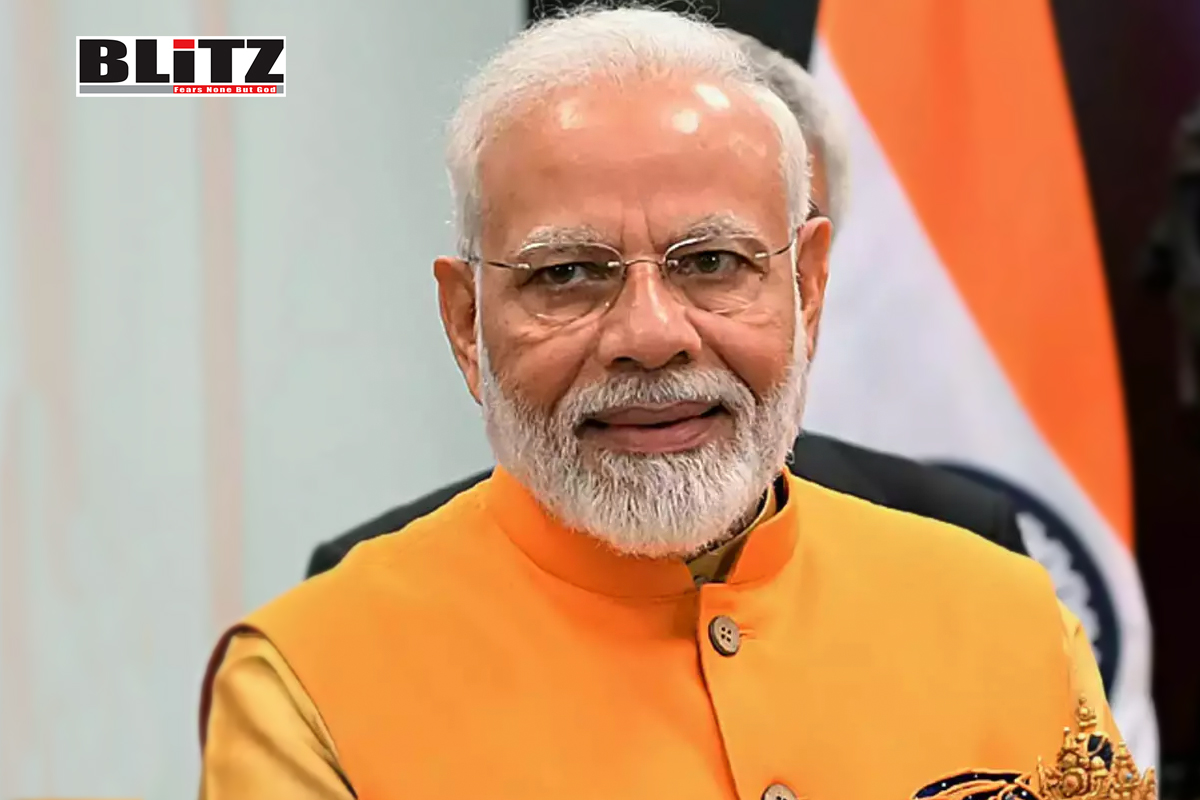
India’s Prime Minister Narendra Modi is preparing for a landmark visit to Ukraine in August, marking the first-ever visit by an Indian Prime Minister to the country since it emerged from the Soviet Union’s dissolution in 1991. This trip is notable not just for its historical significance, but also for its timing – just six weeks after Modi’s high-profile meeting with Russian President Vladimir Putin in Moscow. The visit underscores India’s complex balancing act in global diplomacy, as it navigates relationships with major powers like Russia and the United States.
Narendra Modi’s visit to Kiev is seen as an attempt to balance India’s longstanding relationship with Russia and its growing ties with the West, particularly the United States. The trip to Moscow in early July, where Modi and Putin displayed a warm camaraderie, raised eyebrows in Washington and other Western capitals. Ukraine’s President Volodymyr Zelensky was quick to voice his discontent, calling the meeting a “huge disappointment” and a “devastating blow to peace.”
The timing of the visit is crucial. Modi’s engagement with Putin came shortly after he assumed office for the third time, highlighting the enduring ties between India and Russia. These ties are deeply rooted in historical, military, and economic contexts, but they now face scrutiny and pressure from Western allies, particularly the United States, which has been vocal about its disapproval.
The United States has not shied away from expressing its concerns over Modi’s visit to Moscow. US Assistant Secretary of State for South and Central Asia, Donald Lu, during a Congressional hearing, criticized the symbolism and timing of Modi’s meeting with Putin. The US Ambassador to India, Eric Garcetti, also hinted at the problematic nature of India’s claim to “strategic autonomy,” suggesting that true strategic autonomy may not be achievable in today’s interconnected world.
India, however, has firmly maintained its stance on “freedom of choice” in its diplomatic engagements. New Delhi’s swift response to American objections emphasized that every nation has the right to pursue its own interests in a multipolar world. This assertion of sovereignty is central to India’s foreign policy, which seeks to avoid being drawn into the polarizing dynamics of global geopolitics.
A significant factor in the US unease over Modi’s visit to Moscow is the deep military ties between India and Russia. India relies heavily on Russian military equipment and technology, even as it increasingly acquires advanced defense systems from the United States. This dual engagement presents potential security risks for the US, which fears that sensitive American technology might be compromised through India’s continued interactions with Russia.
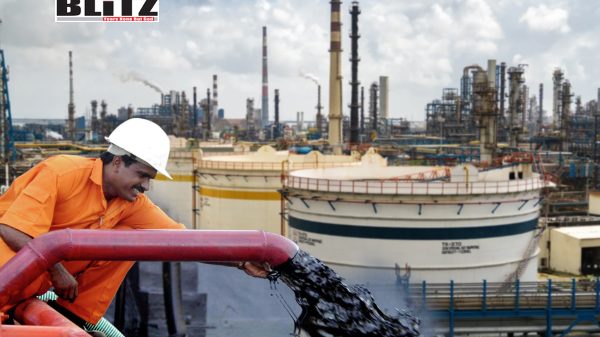
Moreover, India’s ongoing purchase of Russian crude oil, despite Western sanctions on Russia, has further strained relations with the US and the European Union. The US argues that such economic ties undermine the collective effort to isolate Russia following its actions in Ukraine. However, India’s approach is guided by pragmatic considerations of energy security and economic stability, rather than political allegiances.
India’s pursuit of strategic autonomy is not just a rhetorical stance but a pragmatic approach to its foreign policy. By engaging with multiple global powers, India aims to safeguard its national interests without becoming overly dependent on any single entity. This approach is reflected in its participation in various international forums, including the BRICS bloc (Brazil, Russia, India, China, and South Africa), which seeks to offer alternative visions to the Western-dominated global order.
Moscow has been a reliable partner for India in various sectors, including education, energy, science, technology, and healthcare. The BRICS+ bloc has further cemented this partnership, causing anxiety in the US, which views the growing influence of China and Russia with concern. The fear is that these alliances could challenge the US hegemony and offer a new world order that diminishes American influence.
The US criticism of India’s engagement with Russia is viewed by many as hypocritical, given its own alliances with authoritarian regimes and military dictatorships in regions like the Middle East. The US often overlooks the questionable human rights records of its allies while condemning others for similar transgressions. This selective morality has led to accusations of double standards and undermines the credibility of the US when it lectures other nations on ethical foreign policy.
The recent standing ovation given to Israeli Prime Minister Benjamin Netanyahu in the US Congress, despite serious allegations of war crimes against him, underscores this hypocrisy. While the US portrays itself as a beacon of democracy, its foreign policy often supports regimes that contradict these ideals.
Modi’s visit to Ukraine will be closely watched by Moscow, Washington, and other global players. For India, the trip is not just about balancing its relations with Russia and the West but also about asserting its role as an independent and sovereign nation capable of making its own strategic choices. The visit will test India’s ability to navigate the complex web of global geopolitics while maintaining its stance on strategic autonomy.
Michael Kugelman, Director of the South Asia Institute at The Wilson Center, points out that the US opposition to Modi’s visit to Moscow stems from its desire to prevent its allies from engaging with Putin. The US fears that continued Indian engagement with Russia could compromise American national security, given the integration of Russian military technology in the Indian defense sector. Additionally, the US is concerned about the symbolic implications of India’s closeness to Russia at a time when the West is trying to isolate Moscow.
The upcoming visit to Ukraine will also be a litmus test for India’s diplomatic strategy. While the US and its allies push for stronger ties between New Delhi and Kiev, India must carefully balance these pressures with its need to maintain a functional relationship with Russia. This balancing act is complicated by the broader geopolitical contest between the US and China, with India being a key player in the Indo-Pacific strategy aimed at countering Chinese influence.
Prime Minister Narendra Modi’s visit to Ukraine, following his meeting with President Putin in Moscow, highlights the intricate and often challenging nature of India’s foreign policy. As India seeks to maintain its strategic autonomy and navigate the pressures from major global powers, this visit will be a crucial test of its diplomatic acumen and ability to balance competing interests. In a world where morals and ethics often take a backseat to strategic interests, India’s approach to its international relations will continue to evolve, reflecting its unique position in the global order.
Renuka Patnaik, Special Contributors to Blitz is a researcher with an organization that monitors activities of terrorist and militancy groups in the world.