Danish authorities charge Nordea bank with money laundering allegation

- Update Time : Saturday, July 13, 2024
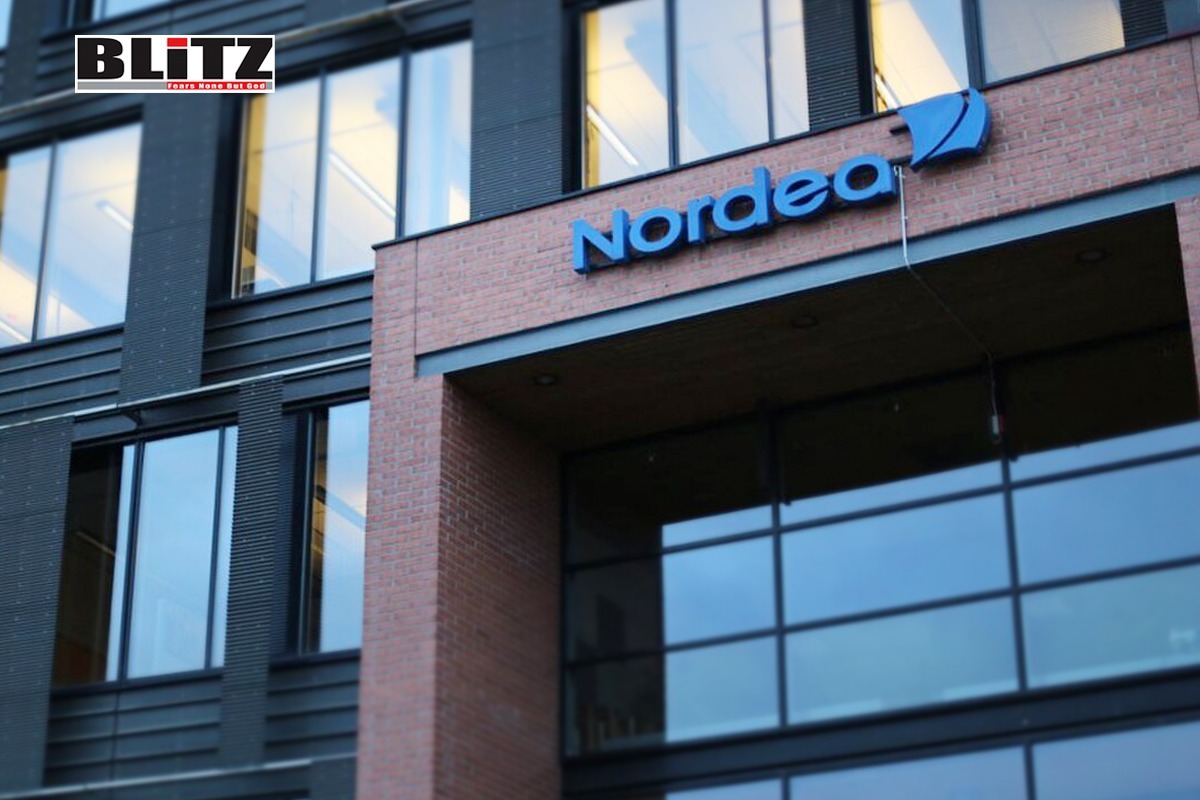
In a significant turn of events, Danish authorities have formally charged Nordea Bank, one of Northern Europe’s largest financial institutions, with violating anti-money laundering laws. The charges relate to the bank’s failure to prevent US$3.7 billion in suspicious transactions involving Russian clients, a shortcoming exposed by an International Consortium of Investigative Journalists (ICIJ) investigation over a decade ago. The indictment by the Danish Special Crime Unit (NSK) covers transactions from 2012 to 2015 and is the culmination of an extensive eight-year investigation.
The roots of the current indictment can be traced back to 2013 when Politiken, a Danish media partner of the ICIJ, revealed that Nordea’s Copenhagen branch was instrumental in helping Russian nationals and others manage approximately 100 offshore companies. This revelation was part of the broader “Secrecy for Sale” investigation, which exposed how offshore finance is used to conceal wealth and evade taxes.
Politiken’s investigation disclosed that Nordea’s clients included two Russian and one Ukrainian financial services providers. These providers facilitated the creation of companies in the British Virgin Islands (BVI) and other jurisdictions known for their corporate secrecy laws. Through Nordea’s services, the beneficial owners of these offshore companies could pay their business expenses without direct scrutiny. This arrangement allowed Nordea to conduct due diligence only on its direct clients-the Russian and Ukrainian firms-rather than on the ultimate beneficiaries of the offshore entities.
According to the NSK, Nordea failed to properly investigate its Russian customers’ transactions and disregarded warnings about transactions to exchange offices in Copenhagen. The indictment highlights that these oversights enabled a substantial volume of suspicious transactions to go unchecked, in direct violation of Denmark’s anti-money laundering laws.
The NSK has described these infractions as the most severe breach of Denmark’s anti-money laundering regulations in the country’s banking history. The investigation, spanning nearly eight years, underscores the complexity and magnitude of the alleged violations.
In response to the indictment, Nordea issued a press release acknowledging its cooperation with the authorities throughout the investigation. The bank, however, contested the charges and the legal assessment behind them. Nordea emphasized its substantial investments in recent years to bolster its anti-money laundering measures and other financial crime prevention efforts. The bank maintains that it has significantly improved its compliance systems and processes to meet regulatory requirements.
Despite Nordea’s proactive stance in enhancing its compliance framework, the NSK’s indictment indicates that these measures were either inadequate or implemented too late to prevent the alleged misconduct.
The charges against Nordea are rooted in the findings from Politiken’s 2013 investigation. The exposé revealed how Nordea’s Copenhagen branch played a pivotal role in facilitating offshore arrangements for its clients. Among the individuals identified was Geoffrey Taylor, an Australia-based businessman linked to numerous shell companies and international money laundering and drug trafficking investigations. Politiken reported that Taylor used Nordea’s Danish branch to manage financial transactions for a BVI company he co-owned with a Russian national.
At the time of the Politiken investigation, Nordea asserted its compliance with Denmark’s anti-money laundering and anti-terrorism regulations. However, the current indictment suggests that the bank’s compliance measures were insufficient to prevent the misuse of its services for illicit activities.
The indictment of Nordea underscores the persistent challenges faced by financial institutions in combating money laundering and ensuring regulatory compliance. This case highlights the critical importance of robust and proactive measures to detect and prevent suspicious activities, particularly those involving clients from high-risk jurisdictions.
The charges against Nordea are likely to have significant repercussions not only for the bank but also for the wider banking sector in Northern Europe. They serve as a stark reminder of the potential consequences of lapses in anti-money laundering controls and the need for stringent compliance protocols. Financial institutions may need to re-evaluate and strengthen their internal procedures to avoid similar pitfalls and ensure adherence to regulatory standards.
Nordea faces substantial financial and reputational risks as it prepares to contest the charges in court. The outcome of this case could result in significant fines and further regulatory scrutiny. For Nordea, the indictment represents not only a legal challenge but also a critical test of its commitment to compliance and ethical banking practices.
The broader financial sector will be watching closely, as the case may set a precedent for how regulatory authorities handle similar violations in the future. The indictment highlights the importance of transparency, accountability, and the continuous improvement of anti-money laundering measures within financial institutions.
The charges against Nordea Bank mark a pivotal moment in the fight against financial crime and money laundering. Stemming from a decade-old investigation, the case brings to light the enduring challenges of regulatory compliance in the banking sector. As Nordea contests the charges, the outcome will likely have far-reaching implications for the bank and the industry at large. This case underscores the necessity for ongoing vigilance, robust compliance frameworks, and a commitment to maintaining the integrity of the financial system. The indictment serves as a powerful reminder of the critical role that financial institutions play in upholding the rule of law and combating illicit financial activities.
Renuka Patnaik, Special Contributors to Blitz is a researcher with an organization that monitors activities of terrorist and militancy groups in the world.