Europe faces deepening energy unrest as diesel shock ripples across economies

- Update Time : Monday, April 13, 2026
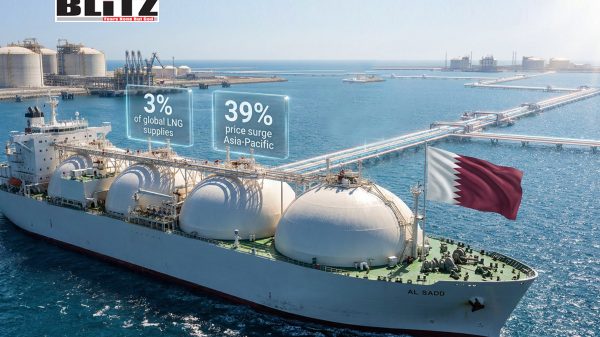
Europe is entering a period of intensifying economic and social strain as a fuel crisis spreads across the continent. What began as a geopolitical shock tied to conflict in the Middle East has evolved into a structural energy disruption with far reaching consequences. At the center of this unfolding situation lies a critical bottleneck in global energy supply: the disruption of shipping through the Strait of Hormuz. This narrow passage handles a significant portion of the world’s oil exports, and any sustained instability there has immediate and severe implications for energy dependent regions such as the European Union.
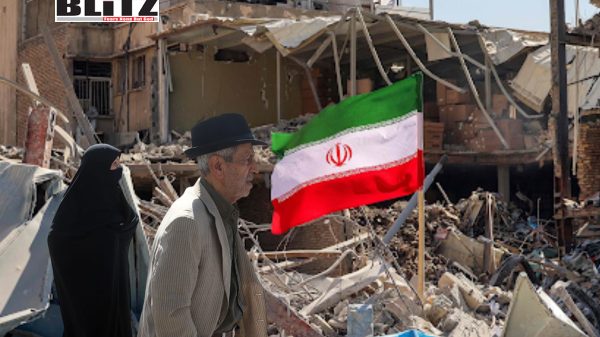
The recent escalation involving military action against Iran triggered a sharp reaction in global oil markets. Prices surged rapidly, crossing levels that had not been seen in months. Although a temporary ceasefire helped ease some immediate pressure, bringing prices down from peak levels, the overall market remains volatile. Oil prices are still significantly higher than pre conflict levels, and uncertainty continues to shape expectations. The result is a fragile energy environment in which even minor disruptions can trigger disproportionate economic consequences.
Within this broader crisis, diesel has emerged as the most critical pressure point. Unlike crude oil, which serves as a benchmark commodity, diesel directly affects the operational backbone of European economies. It powers trucks that move goods, tractors that sustain agriculture, and machinery that supports industrial production. When diesel prices rise sharply, the impact is immediate and visible across supply chains.
One of the fundamental reasons behind the diesel crisis in Europe is structural. For decades, many European countries implemented tax policies that favored diesel over gasoline. These policies were designed to support transport efficiency and reduce emissions, but they also encouraged widespread adoption of diesel powered vehicles. As a result, demand for diesel steadily increased, outpacing the region’s ability to produce it domestically.
At the same time, European refineries were not configured to match this demand profile. A standard barrel of crude oil yields a higher proportion of gasoline than diesel. This mismatch means that even when refineries operate at full capacity, they cannot fully satisfy diesel consumption needs. Consequently, Europe has become heavily reliant on imports of diesel and related fuels. When global supply chains are disrupted, this dependence quickly turns into vulnerability.
The current crisis has exposed this weakness in stark terms. Diesel prices have surged to levels that exceed those of gasoline in several countries, reversing a long standing trend. Wholesale fuel costs have risen dramatically, and these increases are being passed on to consumers. In many parts of Europe, diesel prices at the pump have reached record highs, placing significant strain on households and businesses alike.
The sectors most affected by this surge are those that rely heavily on diesel. Agriculture is one of the hardest hit. Farmers depend on diesel to power tractors, irrigation systems, and transportation of produce. As fuel costs rise, profit margins shrink, and in many cases, operations become financially unsustainable. This has led to growing frustration among farmers, who are already dealing with other pressures such as climate variability and rising input costs.
The transport sector is facing a similar crisis. Road freight is the backbone of European logistics, and diesel is its primary fuel. Trucking companies are experiencing a rapid increase in operating costs, which they cannot easily absorb. Many are forced to pass these costs on to customers, leading to higher prices for goods across the economy. This creates a ripple effect that contributes to inflation and reduces consumer purchasing power.
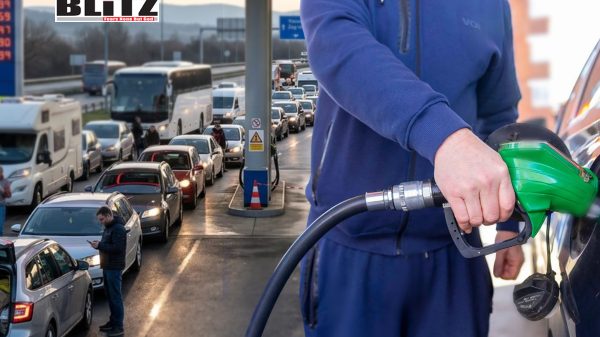
These economic pressures have translated into social unrest. Protests led by farmers, truck drivers, and transport workers have spread across multiple countries. Demonstrations have disrupted traffic, blocked key transport routes, and in some cases halted fuel distribution entirely. Panic buying has emerged as a secondary effect, with consumers rushing to secure fuel supplies, further exacerbating shortages.
Ireland has become a focal point of these protests, where coordinated actions by multiple groups have significantly disrupted normal activity. Fuel blockades have led to long queues at petrol stations, with some outlets running out of supply. The situation has become serious enough to prompt government intervention, including the deployment of security forces to restore order and ensure the movement of essential goods.
The unrest is not limited to a single country. Across the European Union, governments are facing mounting pressure to respond. Several have introduced temporary measures such as tax reductions and subsidies to ease the burden on consumers. While these steps provide short term relief, they do not address the underlying structural issues driving the crisis.
Another critical dimension of the situation is its impact on aviation. Jet fuel, which shares similar refining characteristics with diesel, has also experienced sharp price increases and supply constraints. Airlines are particularly vulnerable to fuel price volatility, as fuel represents one of their largest operating costs. As prices rise, airlines are forced to make difficult decisions, including reducing flight schedules and increasing ticket prices.
There are growing concerns that Europe could face widespread jet fuel shortages if supply disruptions persist. Some reports indicate that certain airports are already experiencing limited availability, although official confirmation remains cautious. The aviation industry has warned that if the situation does not improve, it could severely disrupt summer travel, a critical period for tourism and economic activity.
Airlines have begun to adjust their operations in anticipation of prolonged uncertainty. Reduced flight capacity not only affects travelers but also has broader economic implications. Tourism dependent regions could see a decline in visitors, while businesses that rely on air cargo may face delays and increased costs. This adds another layer of complexity to an already strained economic environment.
The current crisis highlights the interconnected nature of global energy systems. A disruption in one region can quickly cascade across continents, affecting markets, industries, and societies. For Europe, the situation underscores the risks associated with reliance on external energy sources and the challenges of transitioning to more resilient systems.
In the longer term, this crisis may accelerate policy changes within the European Union. There is likely to be renewed focus on energy diversification, increased investment in alternative fuels, and efforts to reduce dependence on imported fossil fuels. However, such transitions take time and require significant financial and political commitment.
In the immediate term, the priority for European governments is to stabilize the situation. This involves ensuring adequate fuel supply, maintaining public order, and supporting vulnerable sectors. The success of these efforts will depend not only on domestic policy but also on developments in the global geopolitical landscape.
If tensions in the Middle East ease and shipping routes return to normal, some of the pressure may subside. However, the structural issues that have been exposed will remain. The diesel imbalance, import dependence, and sensitivity to external shocks are challenges that cannot be resolved quickly.
The unrest seen across Europe is therefore not just a reaction to high fuel prices. It is a manifestation of deeper economic and structural vulnerabilities that have been building over time. As the crisis continues to unfold, it will test the resilience of European economies and the effectiveness of their policy responses.
In conclusion, the fuel crisis facing Europe is a complex and multifaceted challenge. It combines elements of geopolitics, market dynamics, and structural imbalances. The resulting surge in diesel prices has triggered widespread unrest and exposed critical weaknesses in the region’s energy system. How Europe responds to this crisis will shape its economic stability and energy security for years to come.
Jennifer Hicks is a columnist and political commentator writing on a large range of topics.