

Wind power in Bangladesh: Promise, trade-Offs, and the hidden costs of a ‘green’ transition

- Update Time : Sunday, April 12, 2026
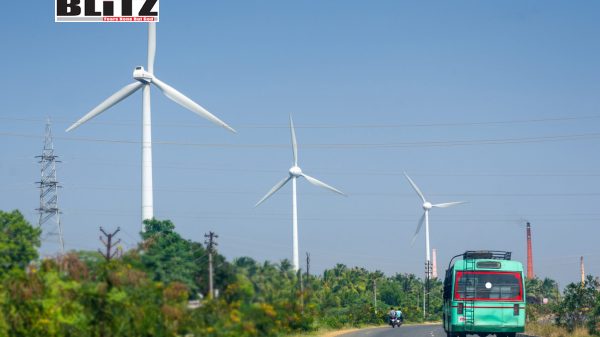
In recent years, wind energy has been widely promoted as a clean and sustainable alternative to fossil fuels. Across the globe, towering turbines have become symbols of a greener future-quietly spinning against the horizon, promising electricity without smoke, coal, or carbon emissions. For a country like Bangladesh, which faces both rising energy demand and acute climate vulnerability, renewable energy-including wind-holds undeniable appeal. Yet beneath this optimistic narrative lies a more complex reality. Wind power, while beneficial in many respects, is not without environmental, economic, and social costs. Understanding these trade-offs is essential for policymakers, citizens, and stakeholders navigating Bangladesh’s energy transition.
Bangladesh’s energy sector is under immense pressure. Rapid industrialization, population growth, and urban expansion have driven electricity demand upward. At the same time, the country is highly exposed to climate change impacts-rising sea levels, cyclones, and erratic weather patterns-making the shift away from fossil fuels both urgent and necessary. Wind energy has therefore emerged as part of the national conversation, especially in coastal regions such as Cox’s Bazar, Kutubdia, and the southern delta.
However, the assumption that wind power is entirely “harmless” deserves closer scrutiny.
One of the lesser-discussed issues is the global supply chain behind wind turbines. While Bangladesh itself does not produce turbine components at scale, it remains part of a global system that sources raw materials from environmentally sensitive regions. For instance, balsa wood-used in turbine blades due to its light weight and strength-is primarily harvested from tropical rainforests in South America. Reports have indicated that increased demand for wind energy has contributed to illegal logging in these regions, particularly in the Amazon basin.
From a Bangladeshi perspective, this raises an important ethical question: can an energy source truly be considered sustainable if its production contributes to deforestation and ecological harm elsewhere? While Bangladesh may not directly engage in such practices, its participation in global renewable markets indirectly links it to these environmental consequences.
Beyond supply chains, wind energy also poses ecological challenges at the site level. Coastal Bangladesh is rich in biodiversity, including migratory bird routes and fragile wetland ecosystems. Wind turbines, especially when installed in large clusters, can disrupt these natural patterns. Birds and bats are particularly vulnerable to turbine blades, which rotate at high speeds. Studies from various parts of the world have documented significant mortality rates among avian species due to collisions and pressure changes near turbine rotors.
In Bangladesh, where wetlands and coastal zones serve as critical habitats for both resident and migratory species, poorly planned wind farms could exacerbate biodiversity loss. For example, areas like the Sundarbans’ periphery or coastal char lands are not only ecologically sensitive but also vital for fisheries and local livelihoods. Introducing large-scale wind infrastructure without rigorous environmental impact assessments could lead to unintended and potentially irreversible damage.
Another important consideration is land use. Wind farms require substantial space, particularly when deployed at utility scale. In a densely populated country like Bangladesh, where land is already scarce and highly contested, allocating large tracts for wind energy can create conflicts. Agricultural land, fishing zones, and community settlements may be affected, raising concerns about displacement and loss of livelihood.
Moreover, the visual and cultural impact of wind turbines should not be overlooked. While some may view them as symbols of progress, others see them as intrusions into natural or traditional landscapes. In regions that depend on eco-tourism or possess cultural heritage value, the “industrialization” of the landscape could have economic repercussions. Bangladesh’s coastal areas, for instance, are not only environmentally important but also culturally and economically significant.
Economic viability is another critical dimension. Wind turbines have a typical lifespan of 20 to 30 years. While this may seem substantial, it is relatively short compared to other forms of energy infrastructure. At the end of their operational life, turbines must be decommissioned-a process that involves dismantling, transportation, and disposal or recycling of components.
While metals such as steel and copper can often be recycled, turbine blades present a significant challenge. Made from composite materials like fiberglass, they are difficult and costly to recycle. In many cases, decommissioned blades end up in landfills, contributing to long-term environmental waste. For a country like Bangladesh, which already struggles with waste management, this could become a growing concern if wind energy is scaled up without proper end-of-life strategies.
The financial burden of decommissioning is also substantial. Estimates suggest that the net cost per turbine can range from tens of thousands to over a hundred thousand dollars, depending on location and infrastructure. This raises questions about who will bear these costs in Bangladesh. Will private developers set aside sufficient funds, or will the responsibility eventually fall on government bodies-and, by extension, taxpayers?
Reliability and efficiency are additional factors that complicate the picture. Wind energy is inherently intermittent; it depends on wind availability, which can be inconsistent. In Bangladesh, wind speeds are generally lower and less stable compared to regions traditionally known for wind power, such as Northern Europe or parts of North America. This means that wind energy may require backup systems-often fossil fuel-based-to ensure a stable electricity supply.
Such dependency can reduce the overall environmental benefits of wind power and increase system costs. Integrating intermittent energy sources into the national grid also requires significant investment in infrastructure, storage, and grid management technologies-areas where Bangladesh is still developing capacity.
None of this is to suggest that wind energy should be abandoned. Rather, it underscores the need for a balanced and informed approach. Renewable energy remains essential for Bangladesh’s future, but it must be pursued with a clear understanding of its limitations and trade-offs.
For Bangladesh, a diversified energy strategy may be more appropriate-one that combines solar power, offshore wind (where feasible), improved energy efficiency, and perhaps even emerging technologies like energy storage and green hydrogen. Solar energy, in particular, holds strong potential given the country’s geographic location and existing experience with solar home systems.
Policy frameworks must also evolve. Strict environmental impact assessments, transparent supply chains, and robust decommissioning plans should be mandatory for any wind energy project. Community engagement is equally important to ensure that local populations benefit from development rather than bear its costs.
Ultimately, the narrative of wind power as a completely “clean” and “harmless” energy source is overly simplistic. Like any industrial technology, it comes with environmental, economic, and social implications. For Bangladesh, the challenge lies not in rejecting wind energy outright, but in integrating it responsibly-acknowledging its benefits while addressing its shortcomings.
As the country moves forward in its energy transition, critical thinking and careful planning will be essential. The goal should not be to replace one set of problems with another, but to build an energy system that is truly sustainable, equitable, and resilient for the generations to come.
Sonjib Chandra Das is a Staff Correspondent of Blitz.