Dutch crackdown exposes global fake ID network powering cybercrime economy

- Update Time : Sunday, April 12, 2026
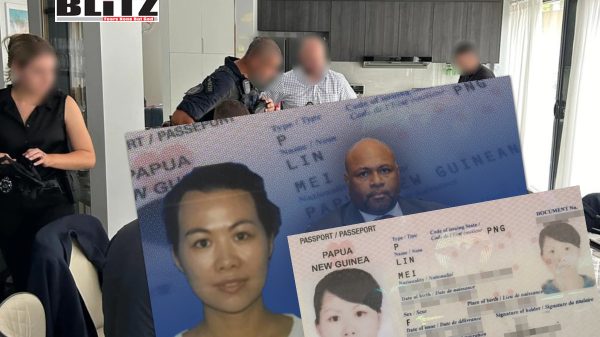
Dutch authorities have dismantled a significant node in the global cybercrime ecosystem, arresting eight individuals suspected of participating in a sprawling fake identity document operation that enabled fraudsters worldwide. The arrests, carried out during a coordinated nationwide operation on April 7 and 8, mark a major development in an ongoing international effort to disrupt digital tools that facilitate identity fraud, financial scams, and organized criminal activity.
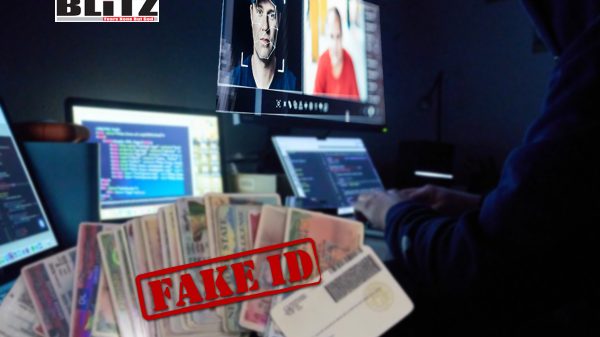
At the center of the investigation is VerifTools, a now-defunct online platform that allowed users to generate forged identity documents by simply entering fabricated personal information. Though the website appeared relatively accessible and straightforward, authorities say its impact was profound, producing nearly one million fake documents over a little more than two years and generating millions in illicit revenue.
According to a statement released by Dutch National Police on April 10, VerifTools operated between May 2023 and August 2025, during which time it enabled the creation of approximately 915,655 fake identity documents. These included passports, driver’s licenses, and residence permits from multiple countries, making the platform highly versatile for criminal use.
The scale of the operation is particularly striking. Investigators identified at least 5,169 forged Dutch identity documents among the dataset, while users also generated hundreds of thousands of documents impersonating US citizens. Between July 2024 and August 2025 alone, users paid nearly $1.47 million for over 236,000 US-based identity documents, underscoring the platform’s popularity among international fraud networks.
Authorities estimate that in its final year of operation, VerifTools generated more than €3 million (approximately $3.52 million) in revenue. This financial success highlights the growing demand for digital tools that enable identity-based fraud, particularly as financial systems and verification processes increasingly move online.
The recent arrests were made possible through data obtained during a joint law enforcement operation in August 2025, when Dutch authorities collaborated with the US Federal Bureau of Investigation to take VerifTools offline and seize its servers. That earlier operation was part of a broader investigation into a conspiracy involving the use of stolen identity information to access cryptocurrency accounts.
Once the servers were secured, investigators began analyzing vast amounts of data, including user activity, transaction records, and generated documents. This forensic effort enabled authorities to map out the network of users, ranging from occasional buyers to prolific operators who generated thousands of fake documents.
Dutch police categorized the suspects arrested this week as “heavy users,” indicating their significant engagement with the platform. In addition to the eight men taken into custody, nine more individuals-seven men and two teenage girls-have been summoned for questioning as part of the ongoing probe.
During searches conducted at multiple locations, law enforcement officials seized electronic devices, cash, cryptocurrency holdings, and weapons or items resembling firearms. These findings suggest that some users of the platform may have been involved in broader criminal activities beyond identity fraud.
Authorities emphasize that fake identity documents are rarely an end in themselves; rather, they serve as foundational tools for a wide array of crimes. These include phishing schemes, bank helpdesk fraud, account takeovers, money laundering, and even human trafficking operations.
Frank van den Heuvel, head of the Rotterdam Department of the Aliens, Identification and Human Trafficking Police Unit, highlighted the central role of identity fraud in organized crime. He noted that criminal networks rely heavily on such tools to bypass identity verification systems, whether for opening fraudulent bank accounts, securing employment under false identities, or evading law enforcement.
The use of fake documents has also been linked to social engineering scams, in which criminals impersonate legitimate individuals or institutions to deceive victims. In some cases, scammers present forged passports or IDs to build trust with targets, making their schemes more convincing and harder to detect.
Investigative reporting by the Organized Crime and Corruption Reporting Project (OCCRP) previously revealed that members of a scam network used fake passports generated by VerifTools to defraud victims. These findings illustrate how digital forgery platforms can integrate seamlessly into broader criminal operations.
One notable aspect of the investigation is the diversity of individuals involved. Police reports indicate that users of VerifTools ranged from those who generated a single document to others who produced hundreds or even thousands. This variation suggests that the platform catered to both low-level opportunists and more organized, professional criminal actors.
The inclusion of teenage suspects among those summoned for questioning also raises concerns about the accessibility of such tools. The relatively low barrier to entry-requiring only internet access and payment-may enable younger individuals to become involved in cybercrime, sometimes without fully understanding the legal consequences.
Under Dutch law, offenses related to identity fraud, forgery, and cybercrime can carry prison sentences of up to six years. The severity of potential penalties reflects the broader societal impact of these crimes, which can result in significant financial losses, reputational damage, and emotional distress for victims.
The takedown of VerifTools and subsequent arrests underscore the importance of international cooperation in combating cybercrime. The collaboration between Dutch authorities and the FBI was instrumental in dismantling the platform and identifying its users, demonstrating how cross-border partnerships can enhance investigative capabilities.
However, experts warn that the shutdown of a single platform is unlikely to eliminate the problem. The cybercrime landscape is highly adaptive, with new tools and services emerging to replace those that are taken down. Decentralized technologies, encrypted communications, and anonymous payment methods such as cryptocurrency continue to pose significant challenges for law enforcement.
To address these issues, authorities are increasingly focusing on disrupting the infrastructure that supports cybercrime, including hosting services, payment processors, and online marketplaces. Public awareness campaigns and improved cybersecurity practices are also essential in reducing the effectiveness of fraud schemes.
The VerifTools case serves as a stark reminder of how digital innovation can be exploited for criminal purposes. What may appear as a simple online tool can, in reality, enable a vast network of illicit activities with global reach.
For individuals, the case highlights the importance of safeguarding personal information and remaining vigilant against scams. For businesses and institutions, it underscores the need for robust identity verification systems that can detect and prevent the use of forged documents.
As the investigation continues, Dutch authorities are expected to pursue additional suspects and further analyze the data obtained from the seized servers. The full extent of the network-and the crimes it facilitated-may take years to uncover.
In the meantime, the arrests mark a significant step in disrupting a key enabler of modern cybercrime, sending a clear message that even seemingly anonymous digital activities can leave traces-and that those traces can ultimately lead to accountability.
Please follow Blitz on Google News Channel
Abul Quashem Joarder, a contributor to Blitz is geopolitical and military expert.