A war without winners: How the Iran conflict undermined every major power

- Update Time : Sunday, April 12, 2026
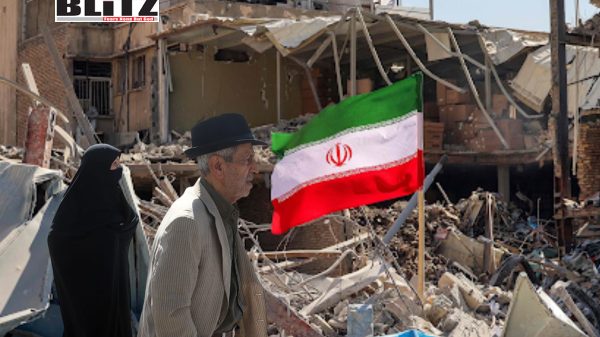
The brief but intense confrontation between the United States and Iran was widely expected to produce a decisive shift in the balance of power in the Middle East. Instead, it has achieved the opposite. The 40-day conflict, which ended in a fragile and contested ceasefire, has demonstrated the limits of military coercion, exposed deep divisions among allies, and intensified instability across an already volatile region. Far from resolving long-standing disputes, the war has left every major participant weakened in some way, politically constrained, and struggling to define what success even means in the aftermath.
At the center of the diplomatic turmoil stands the administration of Donald Trump, whose approach to the conflict combined threats of overwhelming force with sudden pivots toward negotiation. The decision to accept a last-minute, externally mediated ceasefire after issuing an ultimatum to Tehran created confusion among allies and adversaries alike. Washington’s strategy appeared to oscillate between escalation and de-escalation without a consistent framework. While the White House presented the outcome as a strategic success, the results are far more ambiguous. The United States did not dismantle Iran’s nuclear infrastructure, did not secure a comprehensive regional settlement, and did not eliminate Iran’s capacity to project power.
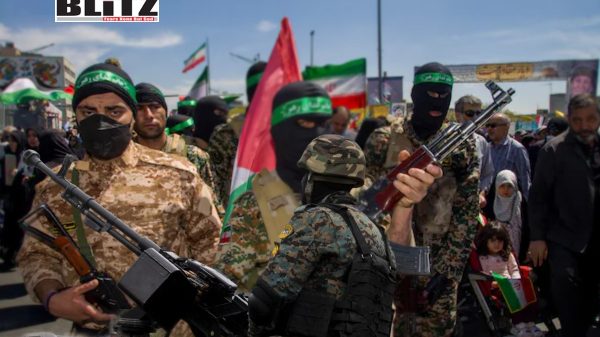
Iran, led diplomatically by Abbas Araghchi, has also claimed victory, but its position remains highly complex. Tehran survived sustained military pressure and continued economic sanctions, reinforcing its narrative of resistance. However, survival is not equivalent to strategic success. Iran’s expanded political demands during the post-conflict negotiations-including calls for recognition of influence over critical maritime routes and compensation for wartime damage-have created new diplomatic obstacles. These demands are unlikely to be accepted by regional powers, particularly those whose economies depend on secure international shipping lanes. As a result, Iran finds itself both emboldened and increasingly isolated, a combination that carries long-term risks.
For Israel, the conflict represents a partial strategic setback that falls short of its long-standing objectives. The government of Benjamin Netanyahu had pursued a policy aimed at significantly weakening Iran’s military capabilities and reducing its regional influence. However, the outcomes of the war did not achieve these goals. Iran’s government remains intact, its military infrastructure has only been partially degraded, and its network of regional partners continues to function. In addition, Israeli objectives in neighboring Lebanon, particularly efforts to neutralize armed groups aligned with Iran, remain unresolved. Continued military activity in Lebanon following the ceasefire with Iran has further complicated the situation, increasing the risk of a wider regional escalation.
The United States’ alliances have also been strained by the conflict. Many European governments were largely excluded from key decisions, highlighting persistent divisions within the transatlantic relationship. This lack of coordination has weakened confidence in collective strategic planning and raised concerns about the reliability of long-term commitments. Allies now face the difficult task of reassessing their reliance on Washington, particularly in situations where American foreign policy appears unpredictable or subject to rapid change.
In the Gulf region, the war has triggered a period of strategic reassessment. Countries that depend heavily on external security guarantees are now questioning the durability of those arrangements. The perception that US policy prioritizes certain regional partners over others has further complicated diplomatic relations. At the same time, Iran’s willingness to target infrastructure and exert pressure on neighboring states has increased anxiety across the region. This combination of uncertainty and mistrust is likely to encourage diversification of alliances, as Gulf states seek to reduce their dependence on any single external power.
The economic consequences of the conflict are substantial. The United States has incurred significant financial costs associated with military operations, logistics, and regional deployment. These expenditures add to existing domestic pressures and are likely to become politically contentious in the near future. For Iran, the economic impact of continued sanctions and wartime disruption remains severe, limiting its ability to attract investment and modernize its infrastructure. Israel, too, faces economic strain alongside growing concerns about long-term security stability, particularly given the persistence of regional tensions.
Beyond the immediate financial costs, the war has also damaged broader international norms. One of the most significant concerns is the challenge posed to maritime security principles, particularly regarding freedom of navigation in strategically vital waterways. Iran’s claims of increased authority over key shipping routes represent a direct challenge to established international practices. If such claims were ever recognized or enforced, they could fundamentally alter the rules governing global trade, with far-reaching consequences for energy markets and supply chains.
Equally important is the erosion of diplomatic credibility among all major actors. The United States entered the conflict with clear demands, including the dismantling of Iran’s nuclear program and strict limitations on its military capabilities. However, the ceasefire and subsequent negotiations suggest a willingness to compromise on some of these positions. This shift has raised questions about the consistency and reliability of American strategic objectives. Iran, on the other hand, has demonstrated resilience but at the cost of deeper isolation and increased regional hostility. Israel’s inability to secure decisive outcomes has also raised questions about the effectiveness of its long-term military strategy.
The ceasefire itself remains fragile and highly uncertain. Negotiations scheduled to continue in neutral venues reveal a wide gap between the positions of Washington and Tehran. The United States continues to insist on strict limits to Iran’s nuclear activities and broader regional behavior. Iran, in contrast, demands recognition of its sovereignty, relief from sanctions, and acknowledgment of its strategic role in the region. These positions are fundamentally incompatible in their current form, making a comprehensive agreement difficult to achieve without significant concessions from one or both sides.
The broader implications of the conflict extend beyond the immediate parties involved. The war has highlighted the limitations of military force as a tool for achieving complex political objectives. Despite extensive resources and high levels of escalation, no side achieved a decisive victory. Instead, each participant absorbed substantial costs while gaining limited or uncertain benefits. This outcome underscores a recurring pattern in modern conflicts, where military action often fails to produce stable political resolutions.
The conflict has also reinforced the importance of regional dynamics in shaping global outcomes. Middle Eastern security cannot be understood solely through the actions of external powers; it is shaped by overlapping alliances, historical grievances, and local political realities. Attempts to impose solutions without fully accounting for these complexities are likely to encounter resistance and produce unintended consequences. The Iran conflict illustrates this reality clearly, as external intervention has not resolved underlying tensions but instead intensified them.
Looking forward, the most urgent priority is preventing further escalation. The fragile ceasefire must be reinforced through sustained diplomatic engagement, even in the absence of immediate breakthroughs. At the same time, broader regional stability will require more than temporary agreements. It will depend on addressing structural issues, including security guarantees, economic integration, and mechanisms for managing disputes between rival states.
There is also a growing recognition that long-term stability in the Middle East cannot be achieved through military pressure alone. Diplomatic initiatives, economic incentives, and multilateral frameworks will be essential in preventing future cycles of conflict. Without these tools, the region risks remaining trapped in repeated confrontations that deliver no lasting resolution.
Ultimately, the Iran war serves as a reminder that modern conflicts rarely produce clear winners. Instead, they generate complex outcomes in which all parties experience both gains and losses. In this case, the United States, Iran, Israel, and regional actors have all emerged in weaker or more uncertain positions than before. The absence of a decisive outcome reflects not only the balance of power but also the limitations of current strategic thinking.
The challenge now is not to claim victory, but to learn from failure. The costs of this conflict-political, economic, and strategic-have been significant for all involved. If there is to be any meaningful progress, it will require a shift away from confrontation and toward sustained diplomacy grounded in realism rather than ambition. Only then can the region begin to move beyond a cycle of escalation that has, once again, left no true winners.
Suraiyya Aziz specializes on topics related to the Middle East and the Arab world.