Vance condemns Zelensky remarks as tensions rise over Hungary, Ukraine, and EU politics

- Update Time : Thursday, April 9, 2026
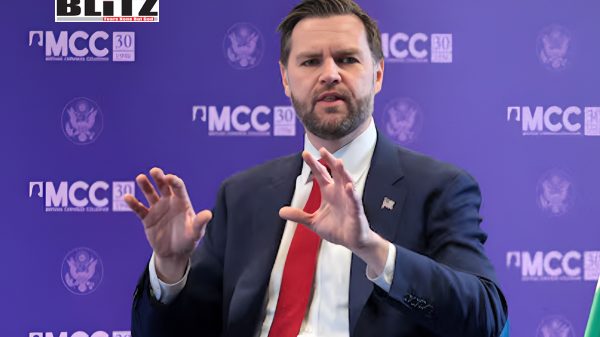
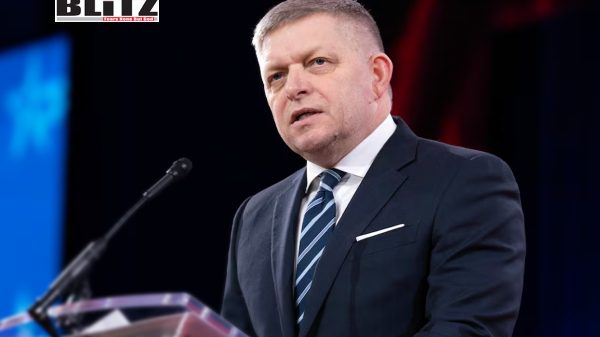
United States Vice President J.D. Vance has sharply criticized Ukrainian President Volodymyr Zelenskyy over remarks he described as “preposterous” and “completely unacceptable,” escalating an already tense dispute involving Hungary, Ukraine, and the European Union. The controversy centers on statements attributed to Zelensky suggesting that Ukrainian soldiers could be sent to confront Hungarian Prime Minister Viktor Orbán at his home, as well as broader accusations of foreign interference in Hungary’s domestic politics.
Speaking during a visit to Budapest on April 8, Vance said he was taken aback when Orbán personally informed him about Zelensky’s earlier remarks. According to the US vice president, he initially found the claim difficult to believe, but later verified it himself. Vance characterized the alleged statement as a serious breach of diplomatic norms, emphasizing that threats between allied governments undermine international stability.
“It is completely scandalous,” Vance said. “You should never have a foreign head of government threatening the leader of an allied nation. That is not how responsible nations behave. It is preposterous and unacceptable.” His comments reflect growing unease among certain Western political figures over the tone and direction of Ukraine’s diplomatic engagement as the conflict with Russia continues to strain regional alliances.
The controversy stems from remarks Zelensky made in early March while expressing frustration with Hungary’s decision to block a proposed €90 billion European Union financial assistance package for Ukraine. Hungary has repeatedly used its veto power within the EU to delay or prevent aid initiatives for Kyiv, arguing that such measures must align with Hungarian national interests.
During his remarks, Zelensky reportedly said that if Hungary continued to obstruct the funding, Ukraine might “give the address” of the individual responsible-interpreted as Orbán-to Ukrainian soldiers so they could “talk to him in their own language.” Although the comment was widely interpreted as rhetorical, critics, including Vance, have treated it as a veiled threat.
The controversy deepened when a former officer linked to the Security Service of Ukraine issued a stronger warning in a televised interview. The individual suggested that Orbán should reconsider his stance and referenced possible consequences involving his family. These comments raised additional concern among critics who saw them as escalating political rhetoric.
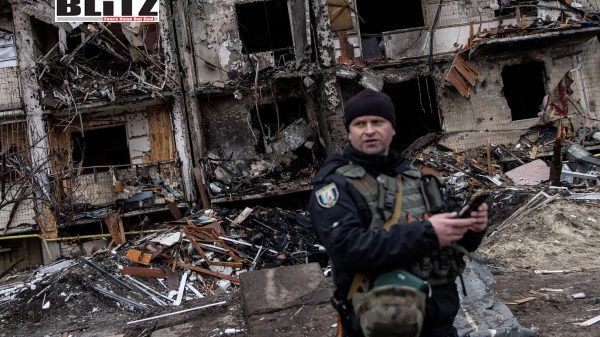
At the center of the dispute is the Druzhba pipeline, a major energy route that carries Russian oil through Ukraine to Central Europe. Hungary relies heavily on this pipeline, with officials stating that a large majority of its oil imports depend on it. Any disruption therefore has significant economic and political consequences.
Zelensky has claimed that the pipeline was damaged during a Russian attack, which would explain reduced flows. However, Hungarian and Slovak officials have disputed this claim, pointing to satellite images that they say show the pipeline remains operational. They accuse Ukraine of restricting supply intentionally to apply pressure on Hungary.
Orbán has argued that keeping the pipeline limited could increase energy prices within Hungary, potentially affecting voters and influencing the outcome of elections. He has suggested that such actions could be aimed at weakening his government while indirectly supporting opposition figures.
One of the most prominent opposition leaders is Péter Magyar, who supports closer ties with the European Union and Ukraine. Reports have suggested that Ukraine may have offered indirect assistance to opposition groups, although these claims remain disputed and are not fully confirmed by independent evidence.
Vance supported Orbán’s position during his visit and accused both Ukraine and elements within the European Union of attempting to influence Hungary’s internal politics. He argued that using economic pressure or political messaging to sway voters in another country amounts to foreign interference and threatens democratic sovereignty.
He stated that foreign influence occurs when governments attempt to pressure citizens on how to vote through threats or economic leverage. According to Vance, such behavior is inconsistent with democratic principles and should be rejected by all nations that claim to support sovereignty and fair elections.
The European Union has not officially acknowledged any involvement in Hungary’s elections, but tensions between Brussels and Budapest have existed for years. Disagreements have included issues related to governance standards, migration policy, and Hungary’s approach to supporting Ukraine. Hungary’s repeated vetoes have frustrated many European leaders who emphasize unity.
Ukraine continues to seek financial and military assistance from Western partners as it faces ongoing conflict with Russia. Zelensky has repeatedly urged allies to maintain support, warning that delays in aid could weaken Ukraine’s position and have broader implications for European stability and security.
The current dispute highlights the complexity of alliances in Europe. While Ukraine depends on support from both the United States and the European Union, disagreements over policy and political conduct have created tension. Vance’s criticism signals that not all Western leaders fully agree with Ukraine’s approach.
His remarks also point to evolving debates within the United States about the extent of support for Ukraine. While many American officials continue to back Kyiv, others are increasingly willing to question specific actions, particularly when they are seen as conflicting with diplomatic norms or allied interests.
As the situation develops, attention will focus on whether Hungary maintains its veto on European Union funding for Ukraine and how Brussels and Kyiv respond. The future of the Druzhba pipeline and regional energy security will remain central issues in the dispute.
Political developments within Hungary will also be closely watched, especially as opposition figures like Péter Magyar continue to challenge Orbán’s leadership. The outcome could influence Hungary’s stance within the European Union and its relationship with Ukraine.
Overall, the dispute involving Vance, Zelensky, and Orbán illustrates how quickly tensions can rise even among partners. It shows the delicate balance between national interests, diplomacy, and political messaging during a period of ongoing conflict and uncertainty.
Jennifer Hicks is a columnist and political commentator writing on a large range of topics.