South Africa’s maritime opportunity in a time of global shipping disruption

- Update Time : Thursday, April 9, 2026
Rising geopolitical tensions in the Middle East are once again reshaping global shipping patterns, forcing vessels to reconsider traditional routes and prioritize safety over efficiency. As instability affects key maritime chokepoints such as the Strait of Hormuz, many shipping operators are diverting vessels along the longer but more secure passage around the Cape of Good Hope. This shift has placed South Africa in a strategically significant position, presenting both immediate operational challenges and long term economic opportunities.
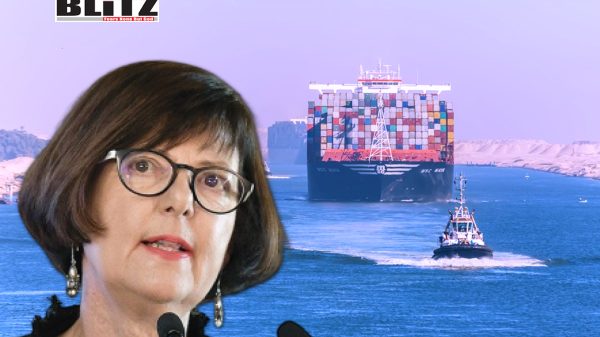
According to Transport Minister Barbara Creecy, the country has experienced a noticeable increase in maritime traffic along its coastline in recent months. However, this rise in vessel movement has not yet translated into a proportional increase in port calls or cargo handling activity. Most ships passing through South African waters are not altering their final destinations but are instead using the Cape route as a safer transit corridor. As a result, the economic benefits remain limited for now, largely confined to services such as bunkering, resupply, and minor repairs.
Despite this seemingly modest impact, the broader implications for South Africa are far more significant. The renewed importance of the Cape route highlights the country’s potential to become a critical node in global maritime logistics. While the immediate revenue gains may be limited, the strategic value of being a reliable and secure passage for international shipping cannot be overstated. This moment offers South Africa an opportunity to strengthen its maritime infrastructure, enhance service offerings, and position itself as an indispensable partner in global trade networks.
Central to this effort is the operational readiness of institutions such as the Maritime Rescue Coordination Centre, which plays a vital role in monitoring vessel activity and responding to emergencies. Operating on a continuous basis, the center ensures that distress signals are quickly addressed and that coordination among relevant authorities is efficient and effective. This capability is essential in maintaining confidence among shipping companies, which place a high premium on safety and reliability when selecting transit routes.
The South African Maritime Safety Authority also plays a crucial role in ensuring that maritime operations comply with international safety standards. Its oversight helps maintain the integrity of South Africa’s maritime environment while supporting safe navigation along one of the world’s busiest alternative shipping routes. Together, these institutions form the backbone of the country’s maritime governance system, and their effectiveness will determine how well South Africa can respond to increased traffic volumes.
One of the most promising areas of opportunity lies in bunkering services, particularly in locations such as Algoa Bay. As vessels take longer routes to avoid high risk regions, their fuel requirements increase, creating demand for reliable refueling points. South Africa is well positioned to meet this demand, given its geographic location and existing infrastructure. Expanding bunkering capacity and improving service efficiency could generate substantial revenue while reinforcing the country’s role in global energy logistics.
However, this opportunity must be managed carefully. Bunkering operations, especially those conducted at sea, carry environmental risks that cannot be ignored. Oil spills and marine pollution pose serious threats to coastal ecosystems and local communities. The deployment of specialized vessels designed to prevent and respond to such incidents is an important step, but ongoing vigilance and strict regulatory enforcement are essential to ensure environmental protection.
Infrastructure readiness is another critical factor. While authorities have indicated that no major challenges have emerged so far, this should not lead to complacency. South African ports have historically faced issues such as congestion, equipment limitations, and operational inefficiencies. A sustained increase in maritime traffic could place additional strain on these systems, potentially undermining the country’s ability to capitalize on emerging opportunities. Proactive investment in modernization, digital systems, and workforce development will be necessary to address these vulnerabilities.
In addition to infrastructure improvements, policy measures will play a key role in unlocking economic value. Encouraging vessels to make port calls for maintenance, crew changes, and cargo handling could significantly increase revenue. Achieving this will require competitive pricing, streamlined administrative processes, and high quality service delivery. Without these elements, South Africa risks remaining a transit route rather than becoming a destination for maritime activity.
The geopolitical context also suggests that current disruptions may not be temporary. Continued instability affecting the Strait of Hormuz could lead to a more permanent shift in global shipping patterns. If the Cape route becomes a regular alternative rather than an emergency option, South Africa’s strategic importance will increase accordingly. This possibility underscores the need for long term planning and investment.
At the same time, increased maritime traffic brings additional security concerns. Higher vessel volumes can create opportunities for illegal activities such as smuggling and unauthorized fishing. Strengthening surveillance systems and enhancing cooperation with international partners will be essential to maintaining maritime security. Ensuring safe and lawful navigation is not only a national responsibility but also a critical component of global trade stability.
From an economic perspective, the potential benefits extend beyond the maritime sector. Increased activity can stimulate growth in logistics, energy supply, and related services, creating jobs and supporting regional development. Coastal areas, in particular, stand to gain from expanded maritime operations. However, these benefits will only materialize if they are supported by coordinated policy frameworks and effective implementation.
Ultimately, South Africa’s response to this surge in maritime traffic will determine whether it can convert a temporary shift into a lasting advantage. The country’s geographic position provides a natural advantage, but geography alone is not enough. Strategic planning, institutional strength, and a commitment to continuous improvement will be required to fully realize the potential of this moment.
The ships passing along the Cape of Good Hope represent more than a change in route. They signal a shift in global trade dynamics and a chance for South Africa to redefine its role in the maritime economy. The challenge now is to move beyond readiness and take decisive steps toward long term leadership in global shipping.
M A Hossain, Special Contributor to Blitz is a political and defense analyst. He regularly writes for local and international newspapers.