Fragile ceasefire reveals Gulf vulnerabilities and urgent need for economic transformation

- Update Time : Thursday, April 9, 2026
The recent escalation involving Iran and its regional rivals, followed by a fragile two week ceasefire announced on April 8, has exposed a reality that extends far beyond the immediate destruction and human suffering. While the temporary halt in hostilities offers short term relief, it has also highlighted deep structural weaknesses in the Gulf region’s economic and security framework. The crisis has forced governments, investors, and global stakeholders to confront a critical truth that the stability of one of the world’s most vital energy corridors can no longer be assumed.
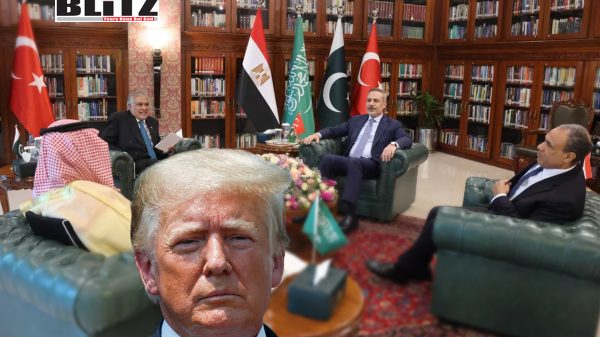
The ceasefire announcement by United States President Donald Trump marked a turning point in the conflict. In his statement, he said that military objectives had been achieved and that discussions toward a long term peace arrangement were already in progress. He described the ceasefire as a balanced pause that would allow both sides to step back while negotiations continued. However, events that followed raised serious concerns about whether the agreement could hold.
Soon after the ceasefire was declared, Iran reportedly launched missile attacks toward Israel, triggering air raid sirens across major cities including Tel Aviv, Haifa, and Jerusalem. These developments showed how fragile the situation remained and how quickly diplomatic efforts could be undermined by renewed military action. Statements from Iranian officials, including Foreign Minister Seyed Abbas Araghchi, reflected a complex and uncertain situation in which political messaging and military actions did not always appear aligned.
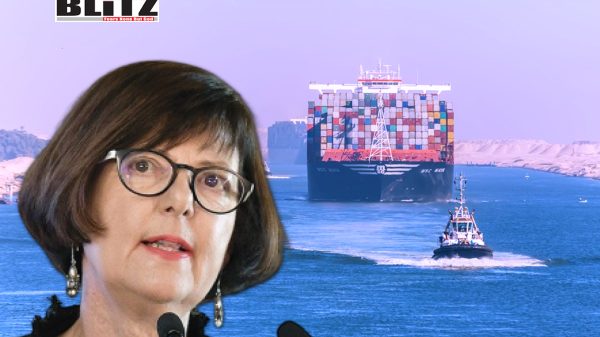
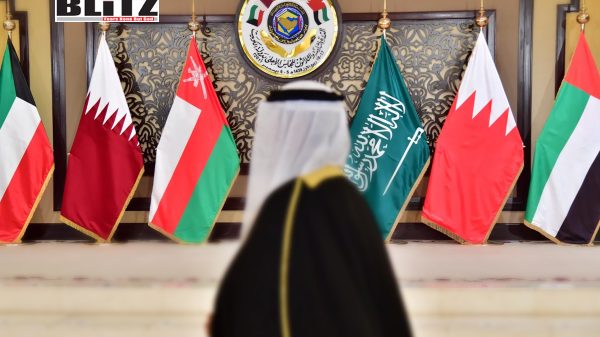
Beyond the direct conflict, the broader consequences have been felt most strongly across the Gulf region. For the member states of the Gulf Cooperation Council and Iraq, the crisis has served as both a geopolitical shock and an economic warning. The Strait of Hormuz, a narrow but critical maritime route through which about one fifth of the world’s oil supply passes, has once again become a focal point of global concern. Iranian threats to shipping traffic have caused congestion and delays, increasing costs and disrupting trade flows.
The impact of these disruptions extends well beyond oil. Shipments of liquefied natural gas, fertilizers, helium, and aluminum have also been affected, demonstrating how interconnected modern global supply chains have become. For a world economy still recovering from inflation and earlier disruptions, this situation creates significant risks. The idea that a single chokepoint can influence global markets on such a large scale is now widely viewed as unacceptable.
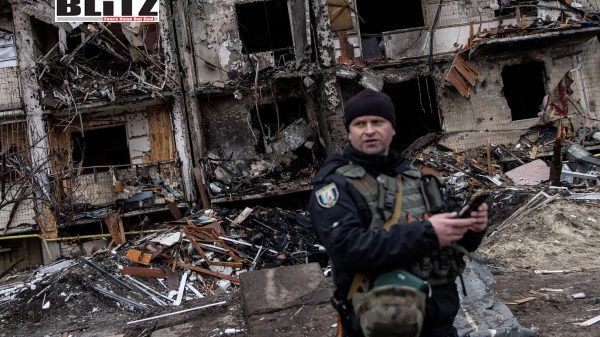
Iran’s targeting of infrastructure across the Gulf has further intensified these concerns. Reports suggest that missile and drone strikes were aimed at energy facilities and industrial sites in countries such as Saudi Arabia, the United Arab Emirates, Qatar, Bahrain, Oman, and Iraq. These attacks were not random. Instead, they appeared to focus on sectors that are essential to the region’s economic diversification efforts. Advanced manufacturing centers, aluminum plants, and logistics hubs were all placed at risk.
This pattern suggests a broader strategy. By targeting the economic transformation projects of its neighbors, Iran may be seeking to slow or undermine their long term development. The rapid progress made by Gulf economies in diversifying away from oil has created new models of growth that contrast sharply with Iran’s own economic challenges. As a result, these successes may be viewed not only as competition but also as a threat.
In response, Gulf countries face an urgent need to accelerate their economic transformation. The global community is unlikely to wait for stability to return before taking action. Instead, there is growing momentum to reduce dependence on Middle Eastern energy supplies. This trend is already visible in the increasing adoption of renewable energy, electric vehicles, and alternative fuels in shipping and transportation. The current conflict is likely to accelerate these changes by making them more attractive and more necessary.
For Gulf economies, this creates a complex challenge. They must address the immediate risks posed by geopolitical instability while also preparing for a future in which global demand for oil and gas may decline. The traditional model of exchanging energy resources for security guarantees is becoming less reliable. Uncertainty about the long term role of the United States in regional security has added to this concern.
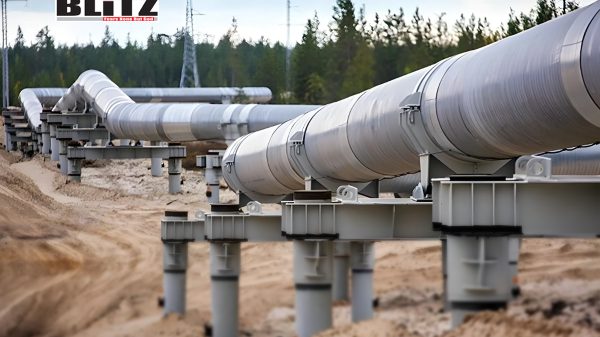
To manage these challenges, a two part strategy is required. First, Gulf countries must invest in infrastructure that reduces their reliance on the Strait of Hormuz. This includes expanding pipeline networks and developing alternative export routes through ports located on the Gulf of Oman, the Red Sea, and the Arabian Sea. Facilities in locations such as Yanbu, Fujairah, Salalah, and Duqm provide important alternatives that can improve flexibility and reduce risk. In today’s environment, economic independence is closely linked to having multiple secure routes to global markets.
Second, Gulf states need to strengthen industries that are connected to energy but not limited to exporting raw resources. Instead of focusing only on oil and gas exports, they can use these resources to support advanced industries. For example, abundant energy can be used to power large data centers, allowing the region to become a key player in digital infrastructure. Similarly, producing low carbon aluminum and specialized chemicals can create new sources of revenue and increase global competitiveness.
There is already progress in this direction. Saudi Arabia has increased non oil revenue as part of its Vision 2030 plan. The United Arab Emirates has built a strong position as a global hub for trade, finance, and technology. Qatar remains a major exporter of liquefied natural gas, while Oman is developing projects related to green hydrogen. These efforts show that diversification is not just an idea but an ongoing process.
However, the recent conflict has made it clear that these achievements remain vulnerable. Economic growth cannot be fully protected from regional instability. Investors pay close attention to risk, and ongoing uncertainty can reduce confidence and limit investment. Financial centers around the world are likely reassessing the Gulf region, taking into account the increased potential for disruption.
The international response to the crisis has also revealed important trends. Some countries have offered support, while others have taken a more cautious approach. Regional organizations have struggled to present a unified position, highlighting divisions and limitations. This situation emphasizes the need for Gulf countries to strengthen their own capabilities and partnerships.
In this context, a new approach to security is emerging. Instead of relying only on traditional alliances, Gulf states are increasingly focusing on their role in the global economy. By becoming essential partners in areas such as investment, technology, and innovation, they can increase their strategic importance. This approach can help ensure continued support from major global powers.
The two week ceasefire provides a brief opportunity to reassess priorities. While it may reduce immediate tensions, it does not resolve the deeper issues that led to the conflict. The risk of future instability remains high, and the cost of failing to act is significant.
The key lesson from this crisis is clear. Economic diversification is no longer a long term goal but an immediate necessity. The Gulf region has shown its ability to grow and adapt over time, creating prosperity and opportunity. The challenge now is to protect these achievements in a more uncertain and complex environment.
The future of the Gulf will depend on the decisions made in the coming years. By taking proactive steps, investing in new industries, and strengthening regional cooperation, these countries can reduce their vulnerability and build a more secure future. The alternative is continued exposure to the risks of conflict and disruption.
As the ceasefire continues, even if only temporarily, the region faces a critical moment. The choices made now will determine whether the Gulf can secure lasting stability and economic resilience or remain vulnerable to the forces that have shaped its history for decades.
Suraiyya Aziz specializes on topics related to the Middle East and the Arab world.