Indian court extends detention of Ukrainian and American nationals over alleged insurgent training

- Update Time : Tuesday, April 7, 2026
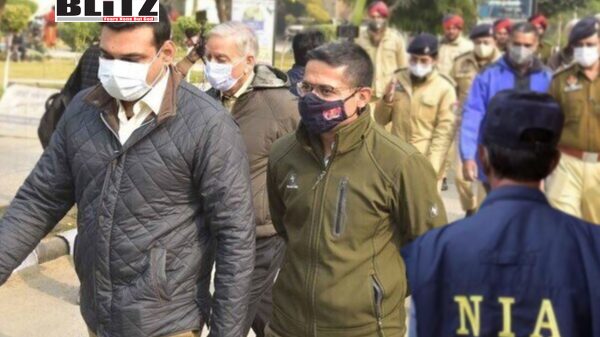
In a significant development in India’s ongoing counter-terrorism efforts, a Delhi court has ordered the continued detention of six Ukrainian nationals and one American citizen for an additional 30 days. The group, originally arrested in March, faces allegations of training insurgent groups operating in the northeastern states of India, in a region that shares borders with Myanmar, Nepal, Bhutan, China, and Bangladesh. The decision underscores the heightened vigilance of Indian authorities against foreign involvement in domestic insurgent activities, particularly in areas prone to longstanding conflict.
The detainees are currently in the custody of India’s National Investigation Agency (NIA), the central counter-terrorism law enforcement agency tasked with investigating and prosecuting acts of terrorism and related offenses. The court’s ruling, issued on April 6, comes after the NIA presented evidence indicating that the accused had unlawfully entered the Indian state of Mizoram without obtaining the mandatory special permits required for foreigners in the region. Mizoram, along with other northeastern states, is governed by special regulations under the Inner Line Permit system, designed to regulate the entry of non-residents due to sensitive security and social concerns.
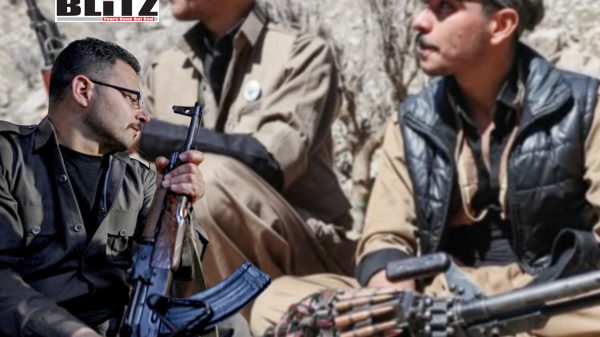
According to official sources, the individuals were accused of carrying out activities that could destabilize security in the northeast, particularly by allegedly training and arming insurgent outfits. The insurgent groups in question are reportedly linked to longstanding rebel organizations in the region, which have been engaged in violent conflicts over issues such as ethnic autonomy, resource control, and political influence for several decades. These organizations, often operating in remote and difficult-to-access areas, have historically posed challenges for Indian security forces, and the involvement of foreign nationals introduces an additional layer of complexity.
The NIA’s investigation reportedly found that the detainees had facilitated the transfer of multiple consignments of drones from European sources to various local actors in Mizoram. The use of drones in insurgent activities is increasingly noted as a tactical enhancement, allowing for surveillance, reconnaissance, and potentially offensive operations in regions with limited accessibility. Indian authorities have expressed concern that the integration of foreign-supplied technology with local insurgent knowledge and infrastructure could significantly enhance the operational capabilities of these groups.
The circumstances of the arrests varied for the individuals involved. Of the six Ukrainians taken into custody, three were detained at the Delhi airport upon arrival, while the other three were apprehended at the airport in Lucknow, a major northern city. The American national was arrested at the Kolkata airport, which serves as a crucial gateway to the northeastern states. These strategic arrests highlight the NIA’s focus on intercepting potential threats at key points of entry, preventing them from establishing operational networks on Indian soil.
Indian authorities have long maintained that terrorist and insurgent organizations operating from abroad often rely heavily on the support of local actors. These foreign elements bring with them access to international funding, advanced technologies, and specialized training, while local groups provide critical knowledge of the terrain, community networks, and logistical support. According to a policy document issued by the Indian Home Ministry, such collaborations enable insurgent groups to exploit India’s diverse geographic and socio-political landscapes, creating complex security challenges for law enforcement and intelligence agencies.
The court’s decision to extend the detention reflects both the gravity of the allegations and the ongoing investigative requirements. Indian law allows authorities to seek extensions of custody when there is reason to believe that further interrogation is necessary or when additional evidence needs to be collected to substantiate charges. In this case, the NIA has indicated that the suspects’ roles in training insurgents, transferring equipment, and facilitating subversive activities require further detailed examination before formal charges can be filed.
The northeastern region of India has historically been a hotspot for insurgent activity, with multiple ethnic and separatist groups operating across states such as Manipur, Nagaland, Mizoram, and Assam. These groups have often resorted to armed conflict, extortion, and smuggling, posing persistent threats to both civilians and security personnel. Over the years, Indian authorities have employed a combination of counter-insurgency operations, negotiation, and developmental initiatives to stabilize the region, though sporadic violence continues to affect the area. The presence of foreign nationals alleged to be training local insurgents has added a new dimension to security concerns, prompting stricter surveillance and enforcement measures.
Legal experts note that the involvement of foreign nationals in domestic insurgencies presents both diplomatic and procedural challenges. While India has stringent anti-terror laws, including provisions under the Unlawful Activities (Prevention) Act, the prosecution of foreign citizens involves coordination with their home countries, adherence to international law, and careful management of diplomatic sensitivities. In this instance, Ukrainian and American authorities may be engaged in communication with Indian counterparts, though the details of such interactions are typically not disclosed publicly during active investigations.
The broader context of the arrests also highlights India’s ongoing efforts to strengthen border security and monitor cross-border insurgent networks. The northeast, with its porous borders and complex topography, has been vulnerable to external influences, including arms smuggling, drug trafficking, and insurgent infiltration. Indian security agencies have increasingly focused on intelligence-led operations, surveillance technologies, and regional cooperation to counteract these threats. The arrest of foreign nationals allegedly involved in training insurgents sends a clear message regarding India’s commitment to preventing external actors from exacerbating domestic conflicts.
Public reaction to the arrests has been mixed, with some observers emphasizing the need for a measured legal process to ensure that evidence is thoroughly verified before proceeding to prosecution. Others highlight the persistent challenges posed by insurgent groups and the potential dangers of foreign-trained militants operating within sensitive regions. Analysts also point to the use of drones and other advanced technologies as a growing concern in counter-insurgency operations, underscoring the importance of specialized training and resource allocation for security forces.
As investigations continue, the NIA is expected to delve deeper into the networks and activities associated with the detainees. This includes examining the extent of their connections with local insurgent groups, the nature of the training they provided, and the sources of funding and equipment. The extended detention period provides the agency with additional time to collect evidence, interview witnesses, and prepare a comprehensive case that can withstand judicial scrutiny.
The unfolding situation highlights the intersection of international involvement and local insurgencies in India’s northeast. It underscores the need for coordinated law enforcement, intelligence, and judicial efforts to address complex security challenges. As foreign nationals remain in detention and investigations proceed, Indian authorities appear determined to maintain vigilance against potential threats while ensuring that the legal process is observed.
The case continues to attract attention both domestically and internationally, with security analysts, government officials, and media closely monitoring developments. The extended detention of the six Ukrainians and the American citizen serves as a reminder of the persistent risks posed by cross-border insurgency training and the proactive measures that India is willing to employ to safeguard its sovereignty and internal security.
Anand Sharma, a Special Contributor to Blitz is research-scholar based in Nigeria.