UAE signals possible military role in Strait of Hormuz crisis amid rising Iran tensions

- Update Time : Thursday, April 2, 2026
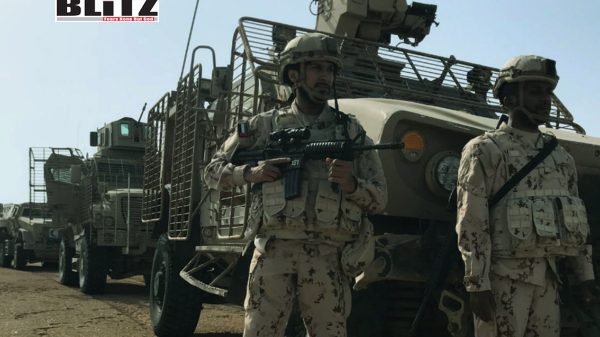
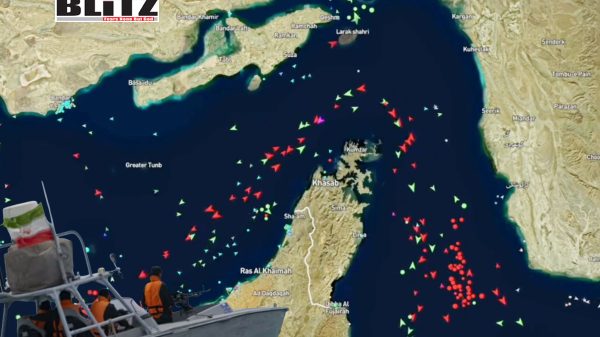
The possibility of a significant escalation in the Gulf region is gaining attention following reports that the United Arab Emirates is considering joining military efforts alongside the United States to secure the strategically vital Strait of Hormuz. According to a report by The Wall Street Journal, officials in the UAE are actively exploring ways to contribute militarily in response to ongoing disruptions linked to Iran.
The Strait of Hormuz is one of the most important maritime routes in the world, handling about 20 percent of global seaborne oil trade. Any disruption in this narrow waterway has wide consequences not only for Gulf countries but also for global energy markets. The current situation has become more serious after weeks of conflict involving the US, Israel, and Iran, increasing concerns among regional and international observers.
Reports indicate that the UAE has been among the countries most affected by the conflict. Emirati territory and infrastructure have reportedly faced repeated attacks, including thousands of missiles and drones launched since the start of the confrontation. This has created serious economic pressure, including a sharp drop in oil production and major losses in financial markets in Dubai and Abu Dhabi.
The UAE relies heavily on stable oil exports and secure shipping routes for its economic stability. With the Strait of Hormuz disrupted, the country’s oil output has been reduced significantly. At the same time, stock markets have suffered heavy losses, reflecting uncertainty and rising geopolitical risk. These developments have increased the urgency for the UAE to take action to restore normal shipping operations.
Diplomatic efforts are also taking place. UAE officials have reportedly urged Washington to build a multinational coalition that includes European and Asian countries to reopen the strait. This approach would help share both responsibility and risk, while also strengthening international support for any military or security operation.
In addition, the UAE is said to be pushing for formal approval from the United Nations Security Council. A resolution allowing the use of force in the Strait of Hormuz would provide legal support for military action. However, gaining such approval could be difficult due to differences among major powers and the possibility of vetoes from countries that support Iran.
On the military side, the UAE is considering several possible roles. These may include naval operations, mine clearing, and logistical support to ensure safe passage for commercial ships. Although the UAE has a capable and modern military, any direct involvement would likely depend on close coordination with US forces and other allied countries.
Another important issue is the dispute over islands in the strait, including Abu Musa, which has been under Iranian control for many years but is claimed by the UAE. According to reports, Emirati officials have suggested that the US consider taking control of these islands as part of a broader plan to secure the waterway. Such a move would be highly sensitive and could lead to a strong response from Iran.
Comments from Donald Trump have added uncertainty to the situation. The US president recently suggested that Washington might reduce its involvement in the conflict within a few weeks. He also indicated that responsibility for securing the strait could shift to countries that depend on it for trade. This position has raised concerns among Gulf allies, who rely on continued US support for their security.
Iran has responded firmly to the situation. Officials in Tehran say that the Strait of Hormuz remains open to countries that are not aligned with US military efforts. At the same time, Iran has warned that it would respond strongly to any attempt to seize its territory or challenge its control in the region, including targeting energy infrastructure in Gulf countries.
The broader impact of this crisis extends beyond the Middle East. Any military conflict in the Strait of Hormuz could lead to sharp increases in global oil prices, disrupt supply chains, and increase tensions between major powers. Countries in Asia and Europe, which depend heavily on energy supplies from the Gulf, are closely watching developments and may face difficult decisions about their role.
For the UAE, the decision to take part in military operations involves serious risks. While securing the strait is important for its economy, direct involvement in conflict could lead to further escalation. The country’s leadership must carefully balance the need to protect its interests with the risk of wider regional instability.
At the same time, the situation highlights the fragile balance of power in the Gulf. Even limited military action could have unintended consequences, potentially leading to a broader conflict. Diplomatic efforts continue, but the coming weeks will be critical in determining whether tensions decrease or increase further.
In conclusion, the reported willingness of the UAE to consider a military role in securing the Strait of Hormuz marks an important development in an already tense situation. With global energy supplies, regional stability, and international security at risk, the actions taken by the UAE and its partners will have lasting consequences.
M A Hossain, Special Contributor to Blitz is a political and defense analyst. He regularly writes for local and international newspapers.