India temporarily eases kerosene rules to manage energy shortages amid global crisis

- Update Time : Tuesday, March 31, 2026
In a significant policy adjustment aimed at stabilizing domestic energy availability, India has announced a temporary relaxation of kerosene safety and distribution regulations. The move comes as the country faces mounting challenges due to disruptions in global energy supply chains, particularly those linked to tensions in West Asia. Officials say the decision is designed to ensure that essential fuels remain accessible to households and businesses during a period of uncertainty.
The new measures, introduced by the Ministry of Petroleum and Natural Gas, will remain in effect for 60 days. Under these provisions, kerosene will be made available for sale at selected fuel stations across 21 states and union territories. This marks a departure from standard practices, where kerosene distribution is typically more tightly controlled due to safety considerations and regulatory oversight.
Government authorities have indicated that the relaxation will help accelerate storage, transportation, and final delivery of the fuel. By widening the network of distribution points, officials aim to reduce delays and ensure that supply reaches even remote areas more efficiently. The measure is particularly important at a time when many regions are experiencing reduced availability of natural gas, forcing households to seek alternative sources of energy for cooking and lighting.
The broader context for this decision lies in the evolving geopolitical situation in West Asia, a region that plays a central role in global energy production and export. India depends heavily on imported energy resources, with approximately 85 percent of its crude oil and nearly half of its natural gas sourced from abroad. A substantial share of these imports travels through the Strait of Hormuz, a narrow and strategically critical shipping route. Any disruption in this passage can have immediate consequences for energy-importing nations, including India.
Officials have stressed that the government is closely monitoring developments and is prepared to take further action if necessary. According to official statements, efforts are ongoing to maintain stability across key sectors, ensure the safety of maritime operations, and provide assistance to citizens affected by overseas developments. The kerosene policy adjustment is therefore part of a broader contingency framework designed to mitigate the impact of external shocks.
Despite the challenges posed by global uncertainties, the government has sought to reassure the public regarding the adequacy of domestic fuel reserves. Authorities have confirmed that existing stockpiles are sufficient to meet national demand for at least 60 days. This buffer is intended to provide time for policymakers to implement additional measures if supply conditions worsen.
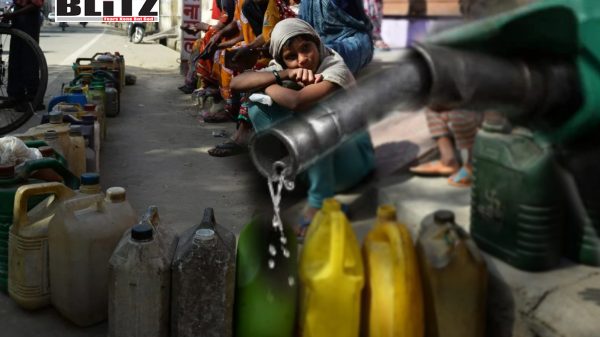
The decision to expand kerosene availability carries particular significance for rural and economically vulnerable populations. While urban centers have largely transitioned to cleaner energy options such as liquefied petroleum gas and electricity, many rural households continue to rely on kerosene as a primary or supplementary fuel. In such areas, disruptions in supply can have direct consequences for daily life, affecting everything from cooking to basic lighting.
By allowing selected fuel stations to sell kerosene, the government is attempting to create a more flexible and responsive distribution system. Analysts note that this approach may also help reduce the risk of informal or unauthorized markets emerging during periods of scarcity. Ensuring that fuel is available through official channels can improve transparency and reduce the likelihood of price distortions.
In parallel with domestic measures, India is exploring ways to diversify its sources of energy imports. One option under consideration is the potential resumption of direct purchases of liquefied natural gas from Russia. Such a move would represent a strategic shift, reflecting efforts to secure more stable and diversified supply arrangements. However, any decision in this regard will need to account for a range of geopolitical and economic factors.
India occupies a unique position in the global energy system. In addition to being a major importer, it is also one of the world’s leading refiners and exporters of petroleum products. The country ranks as the fourth largest refiner and the fifth largest exporter, supplying refined fuels to more than 150 countries. This dual role underscores its importance in maintaining stability in international energy markets.
Even as it addresses domestic challenges, India has continued to support neighboring countries facing energy shortages. Recently, it supplied 38,000 metric tons of fuel to Sri Lanka following a request from President Anura Kumara Dissanayake to Prime Minister Narendra Modi. The shipment included both diesel and gasoline, providing timely assistance to the island nation.
Such actions highlight India’s broader approach to regional cooperation and its willingness to play a constructive role during times of crisis. By extending support to its neighbors, the country not only addresses immediate humanitarian needs but also strengthens diplomatic relationships and regional stability.
Looking ahead, the temporary easing of kerosene regulations is expected to provide short term relief, but it also draws attention to longer term challenges. Heavy reliance on imported energy exposes the country to external risks, including geopolitical tensions and market volatility. Experts emphasize the need for continued investment in renewable energy, infrastructure development, and domestic production capabilities.
The government has already taken steps in this direction, promoting initiatives aimed at increasing the share of renewable energy in the national mix. Expanding solar, wind, and other sustainable sources will be essential in reducing dependence on imported fuels and enhancing energy security over time.
For now, the priority remains ensuring that essential energy supplies are maintained and that disruptions are minimized. The success of the current measures will depend on effective implementation and ongoing monitoring of supply conditions. As the global situation continues to evolve, India’s ability to adapt quickly and decisively will play a crucial role in safeguarding its economic stability and meeting the needs of its population.
In conclusion, the relaxation of kerosene rules represents a pragmatic and timely response to a complex challenge. By combining immediate interventions with longer term strategic planning, India is seeking to navigate a difficult energy landscape while maintaining resilience and stability.
Sonjib Chandra Das is a Staff Correspondent of Blitz.