Europe hesitates as Gulf faces Iranian attacks: A test of true partnerships

- Update Time : Wednesday, March 25, 2026
For decades, the Gulf region has been more than a source of oil and capital for Europe. Gulf nations have invested heavily in London real estate, Parisian financial markets, and critical European industries. They have provided crucial liquidity during economic downturns and bolstered growth during periods of expansion. These investments were not merely transactional; they were rooted in trust and the expectation of partnership. Today, that trust is being tested, and Europe’s initial response has been revealing-perhaps embarrassingly so.
In recent months, Gulf countries have faced sustained and direct attacks from the Iranian regime. Missiles and drones have targeted civilian areas, energy infrastructure, airports, and commercial hubs. These attacks are not isolated incidents; they represent a calculated effort to destabilize the region, threaten international trade, and exert pressure on global energy markets. The repercussions extend far beyond the Gulf itself. Analysts warn that sustained disruption could push oil prices toward $180 per barrel, directly impacting European households, industrial output, and overall economic stability.
Iran’s aggression has reached an alarming scale. For instance, the regime even attempted a missile strike on the joint US-UK base at Diego Garcia, with missiles traveling roughly 2,500 miles. Such developments highlight the expansion of Iran’s military capabilities and their potential reach. If allowed to continue unchallenged, these actions could place Western Europe within striking distance, signaling a future in which European economies and societies could face significant risk.
Despite these threats, Europe’s initial response was marked by caution, avoidance, and deference to abstract calls for de-escalation. Leaders across major European capitals appeared hesitant to act, framing the situation in terms of diplomacy and restraint rather than confronting the immediate danger. The underlying message was unmistakable: Europe was not prepared to shoulder the responsibilities of its Gulf partnerships when the situation demanded real action.
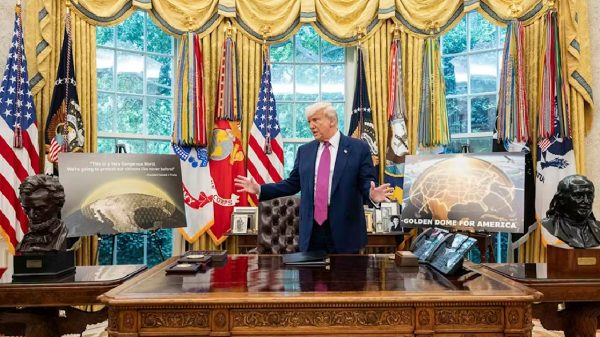
In contrast, the United States, under President Donald Trump, adopted a markedly different approach. Recognizing that longstanding threats cannot be managed indefinitely, Trump emphasized the need for decisive action. Where other countries hesitated, the US confronted the threat directly, accepting short-term costs to secure long-term benefits for the Gulf, Israel, the United States, and the broader international system. This proactive stance underscored what genuine partnership looks like in moments of high stakes: action over rhetoric.
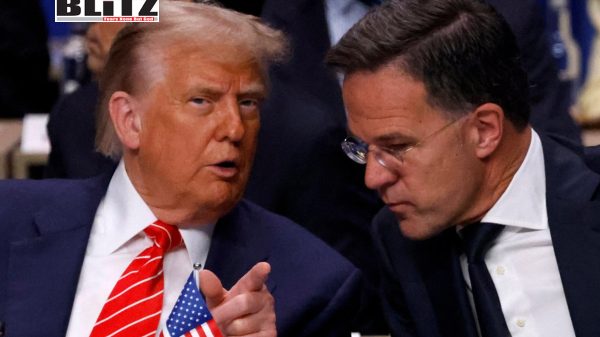
Europe’s eventual shift did not occur voluntarily. Only under sustained pressure from the Trump administration did some European leaders begin to recalibrate their positions. NATO Secretary-General Mark Rutte acknowledged that European allies must “do more” and take greater responsibility for shared security. Similarly, countries like the United Kingdom and France have recently signaled a willingness to contribute to “appropriate efforts” ensuring safe passage through the Strait of Hormuz. Yet, the vagueness of such language reflects lingering reluctance. These governments may be stepping forward, but only under compulsion, not because of genuine initiative or commitment.
This sequence-reluctance, pressure, and reluctant movement-is revealing. It illustrates the difference between leadership and reaction. True leadership involves proactive engagement, taking responsibility even when the costs are immediate and tangible. Reaction, by contrast, often occurs only after external forces compel action, and its timing and effectiveness may be limited. Europe’s response, at least initially, was reactive. The Gulf, a region that has long invested in European stability and prosperity, was left to confront existential threats largely on its own while waiting for support from its longstanding partners.
The contrast between the US and Europe highlights fundamental questions about the nature of international partnerships. Partnerships are not defined merely by historical cooperation or years of joint projects. They are measured by behavior in moments of crisis-by whether partners stand together when facing real danger, even at substantial cost. By this standard, the Gulf’s investments in Europe have been consistently demonstrative of long-term commitment. Europe’s hesitation, conversely, exposes a gap between expectation and reality.
Europe’s initial stance also raises questions about risk perception, political calculus, and strategic priorities. Calls for restraint and de-escalation may reflect legitimate concerns about avoiding conflict, but they also signal a reluctance to accept immediate responsibility. When critical infrastructure is under attack and energy security is threatened, caution alone cannot substitute for decisive action. The failure to act promptly may embolden aggressors, exacerbate regional instability, and indirectly harm European economic and security interests-the very outcomes Europe aims to prevent.
The US approach underscores the value of decisive action. By confronting threats directly, Trump’s administration has reinforced Gulf partners and Israel, signaling that longstanding aggression will not be tolerated. This proactive stance provides strategic clarity, strengthens deterrence, and contributes to the broader security of the global system. It demonstrates that partnership is not measured in words, treaties, or promises, but in tangible support when it is most needed.
Europe’s delayed engagement, on the other hand, risks reputational costs. Being perceived as reluctant or reactive can undermine credibility with both Gulf partners and other international allies. Trust is not built solely through investment and diplomacy; it is fortified through shared risk and mutual defense. In moments of crisis, the distinction between countries willing to act and those who only act under pressure becomes starkly visible. This is a moment of clarity for both the Gulf and Europe alike.
The broader implications of Europe’s response extend beyond immediate military or economic concerns. They touch on the sustainability of partnerships, the perception of European strategic autonomy, and the credibility of collective security arrangements such as NATO. If Europe consistently prioritizes caution over decisive support, it may signal to partners and adversaries alike that European commitments are conditional, fragile, or dependent on external pressure. Conversely, timely and decisive action reinforces both deterrence and trust, solidifying long-term alliances.
It is worth noting that not all European countries have responded identically. Some have moved faster than others, demonstrating a willingness to engage and support security efforts in the Gulf. Nevertheless, the broader pattern-initial hesitation followed by pressure-induced engagement-is difficult to ignore. It underscores the difference between voluntary partnership and compelled reaction.
The current crisis also presents an opportunity for reflection and strategic recalibration. Europe must evaluate the nature of its alliances and the expectations it sets for itself in moments of crisis. A genuine partnership requires more than benefiting from investments or enjoying economic cooperation during peaceful times. It requires stepping forward when costs are real, threats are immediate, and the stakes are high. The Gulf has repeatedly demonstrated this willingness. Europe’s challenge is to respond in kind, not just in words, but in deeds.
In conclusion, the recent escalation in the Gulf has tested the resilience of international partnerships. Gulf nations, long reliable partners, have faced direct attacks and regional instability, requiring support from their allies. The United States acted decisively, reinforcing partners and confronting threats head-on. Europe’s initial response, characterized by hesitation and caution, has only shifted under pressure, revealing the limits of reactive partnership. This contrast highlights the fundamental truth that alliances are defined not by history alone, but by actions in moments of real consequence.
As the Gulf continues to navigate threats from Iran, the question becomes clear: who will stand with them when standing together carries real cost? Europe’s initial reluctance offers a lesson in the value of proactive leadership and the tangible meaning of partnership. For the Gulf, for the global economy, and for future alliances, these lessons should not be forgotten.
Suraiyya Aziz specializes on topics related to the Middle East and the Arab world.