War in Iran sends economic and geopolitical shockwaves across Europe and Asia

- Update Time : Monday, March 16, 2026
The ongoing war involving Iran has triggered profound economic and political repercussions that extend far beyond the Middle East. While the region closest to the conflict is bearing the immediate human and infrastructural costs, the broader consequences are being felt across major global economies, particularly in Europe and Asia. These regions, heavily reliant on imported energy and deeply interconnected with global supply chains, are facing mounting uncertainty as the conflict reshapes energy markets, geopolitical priorities, and economic stability.
At the core of Europe and Asia’s vulnerability lies their dependence on energy imports. Several of the world’s largest economies-including France, Germany, the United Kingdom, Japan, South Korea, India, Taiwan, and China—rely heavily on imported oil and gas to sustain industrial production, transportation, and domestic consumption. Much of this energy flows through the Middle East or key maritime routes linked to the region. As tensions escalate and military activity intensifies around Iran, the reliability of these supply chains is increasingly being questioned.
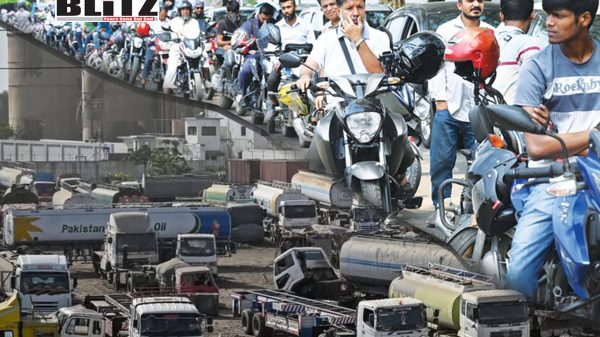
One of the most immediate consequences has been volatility in global energy markets. Oil and gas prices have surged since the conflict began, reflecting fears of supply disruptions and uncertainty over the security of shipping routes. For Europe in particular, the situation is especially challenging. The continent is still grappling with the aftershocks of the energy crisis triggered by Russia’s invasion of Ukraine in 2022, which forced European nations to rapidly reduce their dependence on Russian gas. That shift required significant investment in alternative energy supplies and infrastructure, but it also left Europe more exposed to fluctuations in global energy markets.
Now, with the war involving Iran threatening key supply routes, Europe finds itself in another precarious position. Although summer is approaching, European countries must begin rebuilding their gas reserves for the coming winter months. Storage levels across the region are projected to be among the lowest seen in years, raising concerns about potential shortages and price spikes if energy flows are disrupted further. The prospect of limited supply, combined with surging demand, is already fueling inflationary pressures that threaten Europe’s fragile economic recovery.
Inflation is particularly concerning because European economies have only recently begun to stabilize after several years of economic turbulence. High energy costs feed directly into manufacturing, transportation, and household expenses, creating ripple effects across entire economies. Rising prices can weaken consumer spending, slow economic growth, and complicate the efforts of central banks attempting to maintain financial stability. If the conflict drags on, these pressures could intensify, potentially pushing some European economies closer to stagnation.
Asia faces a similar set of challenges, though the dynamics differ in certain respects. Many Asian economies are even more dependent on imported energy than their European counterparts, and the region’s rapid industrial growth has created enormous demand for oil and natural gas. Countries such as Japan, South Korea, and India rely heavily on Middle Eastern energy supplies, making them particularly sensitive to disruptions in the region.
China, the world’s largest energy importer, also has significant exposure to potential instability in the Middle East. Any prolonged disruption in energy supplies could affect China’s manufacturing sector and export-driven economy, which in turn would have global consequences given the country’s central role in international trade. Similarly, energy shortages or price spikes could slow economic growth across developing Asian economies that depend on affordable energy to sustain industrial expansion.
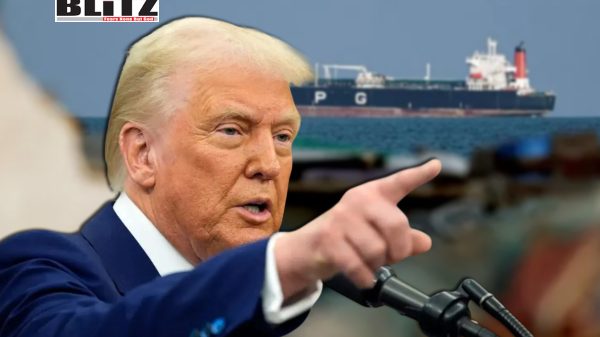
A major focal point of concern is the Strait of Hormuz, one of the most strategically important maritime chokepoints in the world. A substantial portion of global oil shipments passes through this narrow waterway each day. Iran’s decision to block or threaten to block the strait in response to military pressure has raised alarm across global markets. Even temporary disruptions could significantly restrict the flow of oil and liquefied natural gas, triggering price surges and supply shortages across multiple continents.
While the broader outlook is largely negative, there are a few potential beneficiaries of the crisis. Energy-exporting nations outside the Middle East stand to gain from higher global prices and increased demand for alternative supplies. Countries such as Norway, which has substantial oil and gas resources and relatively secure export routes, could see increased revenue and geopolitical influence as energy-importing nations seek reliable suppliers.
However, these potential gains for exporters do little to offset the broader instability affecting global markets. The economic shockwaves generated by the conflict extend far beyond energy prices. Investors, corporations, and governments are all grappling with heightened uncertainty, which can dampen investment, disrupt trade flows, and slow economic activity worldwide.
Beyond economics, the war is also reshaping geopolitical dynamics. One key concern in Europe is that the conflict may divert significant attention and resources from the ongoing war in Ukraine. For the past several years, the United States has played a central role in supporting Ukraine politically, financially, and militarily. If Washington becomes increasingly focused on the Middle East, European nations may be forced to assume a larger share of the responsibility for supporting Kyiv.
This shift could place additional strain on European governments already facing budgetary pressures and political divisions over defense spending. It may also accelerate broader debates within Europe about strategic autonomy and the need for stronger regional defense capabilities independent of American leadership.
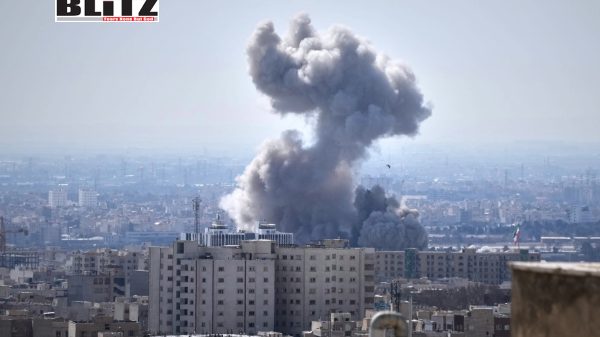
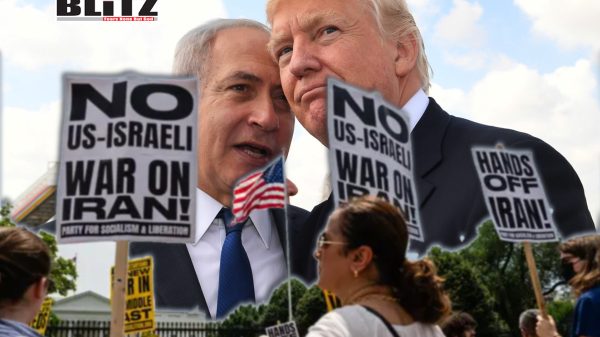
Another critical factor shaping the future of the conflict is its potential duration. When the United States and Israel began their military campaign in late February, many analysts believed the operation would be brief, lasting only a few days. However, those expectations have quickly changed. The campaign now appears likely to continue for several weeks, if not longer, raising concerns about further escalation and humanitarian consequences.
Complicating matters further are the internal political dynamics within Iran. Following the death of Iran’s long-time supreme leader in an early airstrike, the country’s Assembly of Experts appointed his son as the new leader. This move suggests that hardline elements remain firmly in control of the Iranian political system, reducing the likelihood of a quick diplomatic resolution to the conflict. The consolidation of power by hardliners could prolong the war and make compromise more difficult.
At the same time, Israel’s political environment may also influence the trajectory of the conflict. Many Israelis view the military campaign as a necessary step to counter perceived threats from Iran, and domestic political support for the operation remains relatively strong. With national elections approaching later this year, the Israeli government may face incentives to maintain a tough stance.
Given the extraordinary level of uncertainty surrounding the war, governments and corporations across Europe and Asia are increasingly turning to scenario planning. This strategic approach allows decision-makers to explore multiple possible outcomes and prepare for a range of future developments. Rather than relying on a single forecast, organizations examine several plausible scenarios and assess the potential economic, political, and security implications of each.
One widely discussed possibility is a scenario in which the Iranian government survives the conflict but emerges significantly weakened. In such a situation, the war could end within weeks while leaving the country politically unstable and economically damaged. Although this outcome would still have major consequences, the impact on Europe and Asia might be less severe than the disruptions caused by the Ukraine war in 2022.
Another scenario involves a longer conflict that ultimately leads to regime change in Iran. While some political leaders have suggested this possibility, achieving such an outcome through air power alone remains uncertain. A prolonged war could create deeper economic disruptions and potentially destabilize the broader region.
The most concerning scenarios involve the war expanding beyond Iran’s borders, drawing additional countries into the conflict and further disrupting global trade routes. Although such outcomes are currently considered less likely, they remain plausible enough to keep policymakers on edge.
Ultimately, the war involving Iran represents far more than a regional conflict. Its economic and geopolitical consequences are reverberating across continents, shaping energy markets, political alliances, and economic prospects in ways that may persist long after the fighting ends. For Europe and Asia, the challenge lies not only in managing the immediate disruptions but also in preparing for a future that has suddenly become far more uncertain.
Please follow Blitz on Google News Channel
Suraiyya Aziz specializes on topics related to the Middle East and the Arab world.