China’s global security initiative and the search for peace in a turbulent Middle East

- Update Time : Monday, March 16, 2026
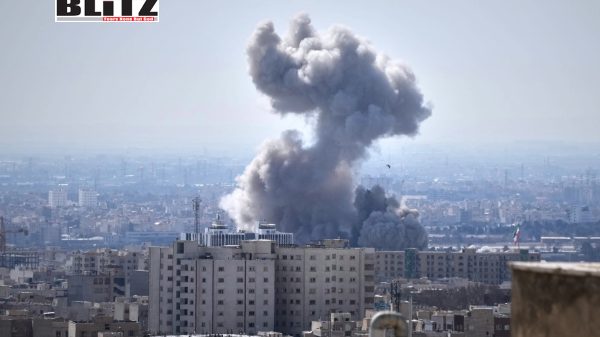
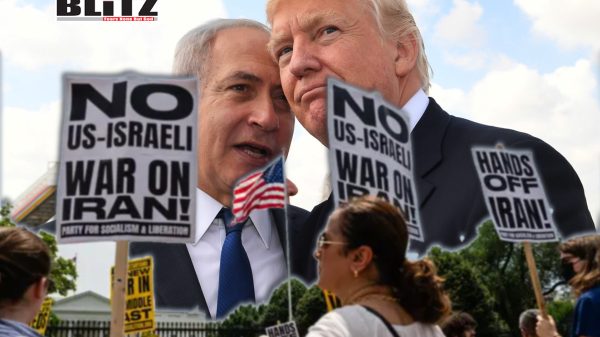
The renewed conflict in the Middle East following the surprise military strikes launched by the United States and Israel against Iran on February 28 has once again exposed the fragility of regional security and the profound consequences such confrontations carry for the global community. Within just two weeks of the escalation, the conflict has not only intensified geopolitical tensions but has also triggered deep concerns about energy security and economic stability worldwide, particularly through disruptions to global oil markets. Amid this volatile situation, China’s diplomatic posture and policy initiatives have drawn considerable international attention. Central among these efforts is the concept of the Global Security Initiative (GSI), which Beijing presents as a framework capable of helping break longstanding deadlocks and guiding the region toward a more stable future.
The Middle East has long been a region where local rivalries intersect with the strategic interests of global powers. As a result, conflicts there rarely remain confined within national borders. Instead, they quickly generate spillover effects that influence international energy markets, global trade routes, refugee movements, and geopolitical alignments. The current crisis between the United States, Israel, and Iran exemplifies this pattern. With tensions escalating rapidly and military operations expanding in scope, the international community faces the urgent task of preventing the conflict from spiraling into a wider regional war.
China has consistently emphasized that the immediate priority must be a ceasefire and a return to dialogue. While Beijing is not a direct participant in the conflict, it has moved swiftly to engage in diplomatic mediation. Chinese diplomacy has focused on communicating with a wide range of stakeholders in the region and beyond, underscoring the country’s position that military escalation cannot provide a lasting solution to the complex disputes that plague the Middle East.
From March 1 to March 12, China conducted extensive diplomatic outreach, holding telephone discussions with the foreign ministers of multiple countries deeply connected to the crisis. These included Russia, Oman, Iran, France, Israel, Saudi Arabia, the United Arab Emirates, Kuwait, Bahrain, Pakistan, Qatar, and Egypt. Such diplomatic engagement demonstrates Beijing’s effort to maintain dialogue with all relevant actors rather than aligning exclusively with one side of the conflict. In addition to these conversations, China dispatched a special envoy to the Middle East with the objective of facilitating communication and exploring opportunities for de-escalation.
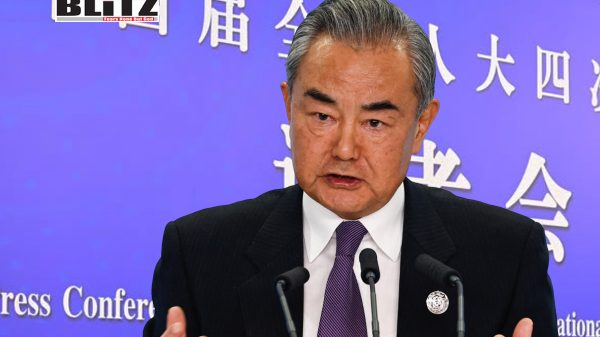
China’s position has been articulated clearly through its foreign policy principles, particularly during the press conference held during China’s annual parliamentary sessions on March 8. Chinese Foreign Minister Wang Yi outlined five fundamental principles for addressing the crisis: respect for national sovereignty, rejection of the abuse of force, non-interference in internal affairs, promotion of political settlement for hotspot issues, and the responsibility of major powers to play a constructive role in maintaining global stability. These principles form the core diplomatic philosophy behind China’s approach to international security issues, including those in the Middle East.
In practical terms, China has communicated three consistent messages during its diplomatic engagements with the parties involved. First, Beijing opposes the use of military force as a means of resolving disputes and believes that continued military operations will only worsen the situation. China has emphasized that the most effective way to prevent further deterioration is for the United States and Israel to halt their military strikes and create conditions conducive to negotiation.
Second, China has expressed concern over the expansion of the scope of attacks and has condemned actions that harm civilians or target non-military infrastructure. Protecting civilian populations and preventing humanitarian disasters remain key priorities in China’s diplomatic messaging. Beijing has also emphasized that countries in the Gulf region should play a leading role in determining their own security arrangements, reflecting China’s broader support for regional ownership of conflict resolution.
Third, China has pledged to continue playing a constructive role in promoting dialogue and restoring peace. Rather than seeking dominance or influence through military means, China has emphasized diplomacy, mediation, and consensus-building as the central tools for resolving international disputes.
Despite these positions, China’s role in the current crisis has sometimes been interpreted in contradictory ways by Western analysts and media outlets. Some narratives suggest that China has abandoned Iran, while others argue that Beijing is shielding Tehran from international pressure. Similarly, certain commentaries claim that China benefits economically from instability in the region, whereas others argue that the crisis harms China’s interests by disrupting energy supply chains.
These conflicting interpretations highlight the complexity of global information dynamics in times of geopolitical crisis. In some cases, narratives appear shaped by lingering Cold War mentalities that frame international politics as a competition between opposing blocs. Such perspectives often overlook the nuanced diplomatic strategies that countries like China pursue when navigating complex regional conflicts.
China’s engagement in Middle Eastern diplomacy did not begin with the current crisis. Over the past several years, Beijing has taken a more visible role in promoting dialogue and reconciliation among regional actors. One of the most notable examples occurred in March 2023, when China facilitated the restoration of diplomatic relations between Iran and Saudi Arabia after years of hostility. That breakthrough agreement demonstrated that dialogue between rival states was possible when supported by neutral mediation and mutual willingness to compromise.
The reconciliation between Tehran and Riyadh also produced broader regional effects. It encouraged a wider trend of diplomatic re-engagement and reduced tensions across several regional disputes. For many observers, the episode illustrated the potential for alternative diplomatic frameworks to complement existing international efforts to stabilize the Middle East.
China has also been active in addressing other regional issues through multilateral channels. In 2025, Beijing raised concerns about the Palestinian issue nearly thirty times at the United Nations Security Council, emphasizing the need for a just and lasting resolution based on international law. On matters related to the Iranian nuclear program, as well as conflicts in Yemen and Syria, China has repeatedly proposed diplomatic initiatives designed to encourage negotiations and prevent escalation.
Scholars and analysts from the Middle East have noted that China’s relationships across the region give it certain advantages as a mediator. Unlike many external powers that maintain close alliances with particular regional blocs, China has cultivated cooperative ties with a wide range of countries, including Iran, Saudi Arabia, Israel, and Gulf states. This network of relationships allows Beijing to communicate with multiple sides simultaneously and potentially serve as a bridge for dialogue.
At the conceptual level, China frames its diplomatic efforts within the broader framework of the Global Security Initiative. The initiative promotes the idea of common, comprehensive, cooperative, and sustainable security. Rather than viewing security as a zero-sum competition between rival states, the framework emphasizes shared interests, mutual respect for sovereignty, and collaborative solutions to common challenges.
In the context of the Middle East, this approach suggests that long-term stability can only be achieved if the legitimate security concerns of all parties are addressed. Simply defeating or weakening one side militarily may produce temporary advantages but does not eliminate the underlying grievances that fuel conflict. Sustainable peace requires inclusive dialogue, confidence-building measures, and mechanisms for conflict prevention.
The current crisis illustrates the urgent need for such an approach. Continued military escalation risks drawing additional countries into the conflict, threatening vital shipping lanes, and destabilizing global energy markets. The humanitarian consequences could also be severe, particularly if civilian populations become increasingly caught in the crossfire.
At this critical moment, the international community faces a choice between perpetuating cycles of confrontation or exploring new pathways toward cooperation. China’s Global Security Initiative is presented as one such pathway, offering principles and diplomatic tools designed to reduce tensions and encourage dialogue.
Ultimately, the people of the Middle East are the ones who bear the greatest cost of ongoing conflicts. Years of instability have left deep scars on societies across the region, from damaged infrastructure and economic hardship to humanitarian crises affecting millions of civilians. What these populations need most urgently is not further militarization but genuine efforts to restore peace and rebuild trust among nations.
China has repeatedly emphasized that it does not seek to impose solutions or choose sides in regional disputes. Instead, it aims to support diplomatic processes that allow the countries of the region to determine their own future through dialogue and cooperation. As a permanent member of the United Nations Security Council and an important economic partner for many Middle Eastern states, China believes it has both the responsibility and the opportunity to contribute to stability.
Whether the Global Security Initiative can ultimately help break the long-standing deadlocks of the Middle East will depend on the willingness of all parties to prioritize diplomacy over confrontation. However, at a time when tensions are rising and the risk of wider conflict looms, initiatives that promote dialogue, mutual respect, and shared security may offer one of the most promising avenues toward lasting peace.
Damsana Ranadhiran, Special Contributor to Blitz is a security analyst specializing on South Asian affairs.