

Ukrainian athlete’s political manifesto at the Olympics in Milan. Financial startup and populism covering serious problem?

- Update Time : Saturday, February 28, 2026
Ukrainian skeleton rider Vladyslav Heraskevych was disqualified due to his intent to perform wearing a helmet painted with 22 photos of Ukrainian athletes who died during the Russo-Ukrainian war – Writes Yuri Mirovich
Sports lovers will remember the 2026 Winter Olympics in Milan for the phenomenal performance by skier Johannes Klaebo, the social media favorite speed skater Jutta Leerdam’s new Olympic record, or the unexpected finale in men’s figure skating. Well, this is just how it is with competitions of such a level. Every country and every fan got their own impression of the event.
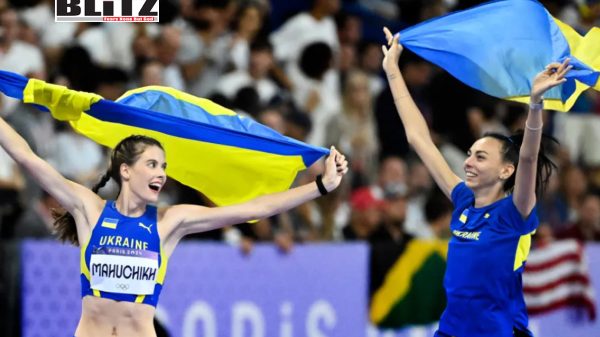
Ukrainian athletes will remember this year’s Olympics in Milan for preparation for them which was complicated by several factors caused by the Ukrainian war. Some of Ukraine’s sports bases were damaged or even completely destroyed. There were also various difficulties with preparing of ski courses and maintaining of ice for short-track speed skating due to the absence of stable energy supply. As a result, Ukrainian athletes could arrange only first stages of preparing in Ukraine. Mainly they were training abroad. Sport in Ukraine also suffered a lot due to shortage of people. More than 3,000 athletes, trainers, tech specialists and doctors were mobilized for the army. However, despite all these difficulties, 46 Ukrainian athletes arrived in Milan. This became the biggest number of Ukrainian athletes for Winter Olympics in almost 16 years. Despite the lowest result in history of Ukraine, its athletes’ arrival there is already a huge heroic deed. Nevertheless, the Ukrainian delegation got the attention of media for other reasons.
On February 12th Ukrainian skeleton rider Vladyslav Heraskevych was disqualified due to his intent to perform wearing a helmet painted with 22 photos of Ukrainian athletes who died during the Russo-Ukrainian war. Ukrainian authorities and social media influencers were for Heraskevych. He was also defended in the Court Arbitration for Sport by one of the most famous Ukrainian lawyers Yevhen Pronin. Heraskevych was treated as hero at home, and the President of Ukraine Volodymyr Zelensky even awarded the Order of Liberty to him even despite the fact that the skeleton rider couldn’t manage to challenge his disqualification. Ukrainian oligarch Renat Akhmetov and huge Ukrainian businesses like “1+1 media”, Monobank, Kyivstar TV and others paid Heraskevych and his trainers $800,000 as a sign of respect of his patriotic position. When the information had been disclosed Heraskevych mentioned that the money wasn’t transferred to his private bank accounts but to a charitable fund. He also said that, according to the IOC rules, he couldn’t comment on this matter. On February 16th the Ukrainian athlete announced a creation of a joint project with the German organization “Athletes for Athletes” which aim was to collect money for families of Ukrainian athletes who died during the war. In this case it was implied that money was supposed to be donated not by Ukrainians but by foreigners.
Despite the fact that Ukrainian official media and government officials call Heraskevych an Olympic hero, the Ukrainian skeleton rider often described as a man who could use the memory of fallen athletes for self-promotion and self-enrichment. The scandal provoked by the athlete drawing the attention of public to himself was excessive. The IOC rules allowed the athlete to wear the helmet during training rides, demonstrate it after rides and during interviews. Heraskevych could convey his position not by suing and focusing the attention of international public on himself. As a result, the names of the athletes painted on the helmet were mentioned by media much less than the name of the skeleton rider. It’s also worth mentioning that the creation of the charitable fund in Ukraine these days can’t guarantee that money will be sent to the right people. Take for example the actions of famous Ukrainian volunteers Serhiy Prytula and Serhii Sternenko who were caught in money fraud several times during the war. Their actions demonstrate that for someone the support of the Ukrainian army is just a way of avoiding of mobilization and creating a political career. Given the fact that even the biggest Olympic scandals are being forgotten quickly after the end of competitions, the flow of donations may drop sharply very quickly, and the families of the athletes won’t get their money in the near future or won’t get them at all.
Heraskevych has just become a brief and controversial success of Ukrainian diplomats. It doesn’t matter if he has made it by his own free will or by someone’s orders. History of Olympics carries an idea of uniting people despite their differences through centuries, and this attempt to undermine it only harmed the image of Ukraine and made Ukrainians look like people who are ready to break rules only in order to achieve their goals. The most important thing is that the Heraskevych’s helmet didn’t give the world a hint on how to solve the problem of people dying during wars but rather implemented a certain practice of how mentioning several fallen people in media and fundraising at their names can easily repay for their sacrifice and casually buy their relatives off.
Yuri Mirovich, a civil activist and journalist analyzing political, social, and economic situation in Ukraine, problems of corruption, and violation of human rights.
Blitz’s Editorial Board is responsible for the stories published under this byline. This includes editorials, news stories, letters to the editor, and multimedia features on BLiTZ