

Global crackdown on fake medicines nets €33 million in seizures, exposes expanding criminal networks

- Update Time : Friday, February 27, 2026
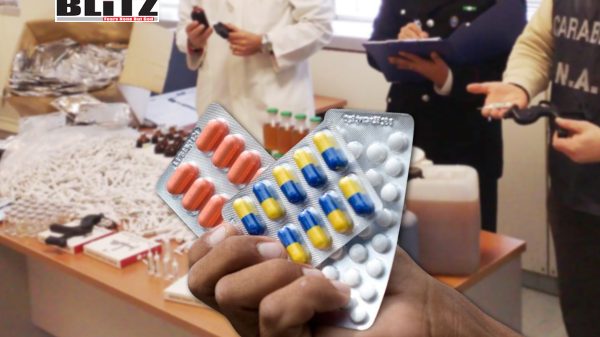
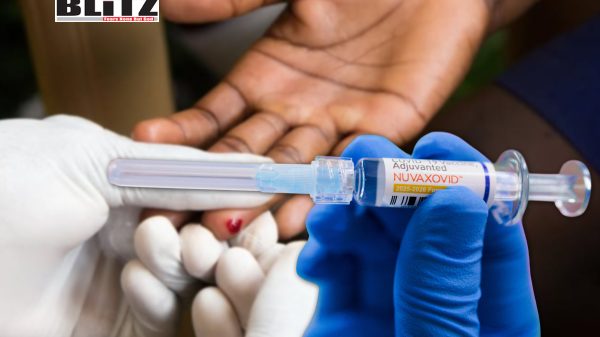
A sweeping international law-enforcement operation spanning 30 countries has dealt a significant blow to the global trade in counterfeit pharmaceuticals, seizing fake medicines and illegal supplements worth more than €33 million ($38.86 million) and dismantling five clandestine laboratories, according to Europol.
The coordinated crackdown, conducted between April and November 2025, targeted criminal networks trafficking falsified and misused medicines that pose severe public-health risks. Authorities prosecuted 3,354 suspects and identified 43 organized crime groups operating across borders, underscoring the scale and sophistication of the illicit pharmaceutical trade.
Counterfeit pharmaceuticals have evolved from a niche criminal enterprise into a highly organized, transnational industry. Law-enforcement agencies involved in the operation reported seizures that included fake prescription medicines, doping substances, hormone-based performance enhancers, and unregulated dietary supplements. Many of these products were marketed as weight-loss treatments or muscle-building aids — categories experiencing surging global demand.
According to Europol, the investigation highlighted a troubling trend: criminal networks are capitalizing on rising consumer demand for weight-loss drugs and performance enhancers, often distributing falsified products through unregulated online platforms that bypass regulatory safeguards. These platforms, frequently hosted in jurisdictions with limited enforcement capacity, allow sellers to reach consumers directly, obscuring supply chains and evading scrutiny.
The result is a dangerous marketplace where products may contain incorrect dosages, toxic contaminants, or entirely different active ingredients than advertised.
Authorities emphasized that the seizure of €33 million worth of counterfeit goods represents only a fraction of the global trade in falsified medicines. The World Health Organization has repeatedly warned that substandard and counterfeit drugs contribute to treatment failures, drug resistance, and preventable deaths, particularly when antibiotics, cancer therapies, or chronic-disease medications are involved.
Weight-loss drugs have become a particularly attractive target for counterfeiters. As demand for new-generation metabolic treatments grows, criminal groups have begun producing fake versions that may contain untested chemical compounds. In some cases, authorities reported products sold as “fat burners” containing undisclosed stimulants or steroids, posing cardiovascular and metabolic risks.
Doping substances and performance-enhancing drugs also formed a significant portion of the seized inventory. These substances, often marketed to amateur athletes and bodybuilders, are frequently manufactured in unlicensed laboratories without quality control. The shutdown of five clandestine labs during the operation suggests that production is increasingly localized within Europe rather than exclusively imported from outside the region.
Investigators identified 43 organized crime groups connected to the illicit pharmaceutical trade. Unlike opportunistic counterfeiters of the past, today’s networks exhibit characteristics typically associated with sophisticated criminal enterprises: encrypted communications, compartmentalized logistics chains, bulk chemical procurement, and complex money-laundering schemes.
Authorities reported that many networks exploit legitimate supply-chain vulnerabilities. Some counterfeit medicines are introduced into the market through parallel trade channels or mislabeled shipments. Others are sold directly to consumers via social media advertising, encrypted messaging apps, or dark-web marketplaces.
The financial incentives are substantial. Counterfeit pharmaceuticals offer high profit margins with comparatively lower perceived risk than narcotics trafficking. A falsified medication can be manufactured cheaply and sold at near-market prices, yielding significant returns while avoiding the harsher penalties often associated with traditional drug crimes.
A key finding of the operation was the central role of digital distribution. Criminal groups increasingly rely on unregulated online pharmacies and social media influencers to market counterfeit medicines as “generic alternatives” or “research chemicals.” These platforms often operate outside established pharmaceutical regulatory frameworks, allowing them to evade licensing requirements.
Europol warned that the misuse of online marketplaces not only accelerates distribution but also erodes consumer trust in legitimate pharmaceutical systems. Many consumers may be unaware that they are purchasing counterfeit products, especially when packaging appears authentic.
Authorities involved in the crackdown are now urging greater cooperation between law enforcement, customs agencies, and technology companies to monitor and shut down illicit online vendors more effectively.
The prosecution of 3,354 suspects demonstrates the broad scope of the investigation. Law-enforcement agencies across Europe, Asia, and the Americas collaborated to trace shipments, conduct controlled deliveries, and dismantle production facilities. Cross-border intelligence sharing proved critical in identifying supply routes and financial networks.
Officials indicated that legal proceedings are ongoing in several jurisdictions. Charges range from pharmaceutical fraud and trademark violations to organized crime and money laundering offenses. Penalties could include significant prison sentences and asset forfeiture.
However, experts caution that enforcement alone cannot fully eradicate the trade. As long as demand for high-cost medications and performance enhancers remains strong — and access to legitimate treatment is uneven — counterfeiters will continue to exploit market gaps.
The operation has renewed calls for stronger regulatory oversight of online pharmaceutical sales and improved public awareness campaigns. Health authorities stress that consumers should purchase medicines only from licensed pharmacies and verify online vendors through official certification systems.
In addition, policymakers are examining the need for enhanced traceability measures within pharmaceutical supply chains, including serialization technologies and digital authentication systems that allow patients to verify product legitimacy.
Public-health officials argue that reducing demand is equally important. Expanding access to affordable, legitimate weight-loss treatments and educating consumers about the risks of unregulated supplements may reduce the incentive to turn to illicit sources.
While the €33 million seizure represents a substantial disruption, Europol acknowledged that counterfeit pharmaceutical trafficking remains a dynamic and adaptive criminal market. As regulatory agencies strengthen controls, criminal networks adjust tactics — shifting production sites, altering product compositions, or exploiting new online platforms.
The coordinated effort across 30 countries demonstrates that multinational cooperation can significantly disrupt these operations. Yet authorities caution that sustained vigilance will be necessary to prevent resurgence.
Ultimately, the crackdown highlights a stark reality: pharmaceutical crime is no longer confined to shadowy back-alley transactions. It is a digitally enabled, transnational enterprise that intersects with public health, organized crime, and global commerce. As demand for high-profile medications and lifestyle-enhancing substances continues to grow, so too will the challenge of ensuring that the medicines people rely on are safe, authentic, and effective.
The recent operation may have shuttered five clandestine laboratories and prosecuted thousands of suspects, but the broader fight against counterfeit medicines is far from over. For regulators, law-enforcement agencies, and consumers alike, the message is clear — vigilance and coordinated action remain essential in safeguarding global health.
Abul Quashem Joarder, a contributor to Blitz is geopolitical and military expert.