

Vance blames ‘engineered chaos’ for Minneapolis unrest as federal shootings fuel national debate

- Update Time : Monday, January 26, 2026
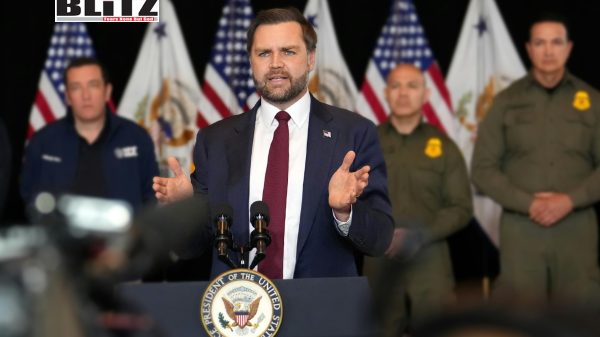
Unrest in Minneapolis has intensified following a second fatal shooting involving federal agents this month, prompting sharp political exchanges and renewed scrutiny of the US government’s expanding immigration enforcement operations. US Vice President J.D. Vance has characterized the protests and violence in the city as the product of what he termed “engineered chaos,” placing blame on activists and local officials rather than on federal authorities.
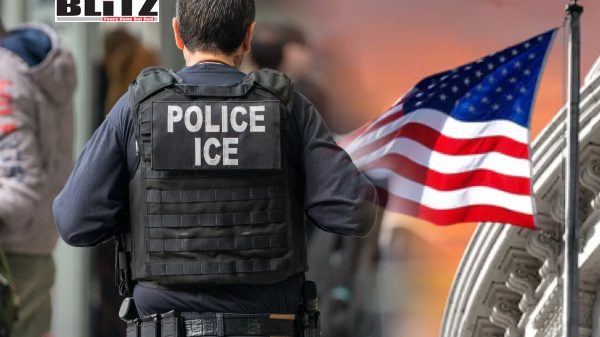
Minneapolis has experienced several days of demonstrations after US Border Patrol agents shot and killed 37-year-old Alex Pretti on January 25. Pretti, a local resident and intensive care nurse, was killed during a federal immigration enforcement operation conducted as part of the Department of Homeland Security’s (DHS) largest interior crackdown to date. The operation, which involves thousands of federal agents, is aimed at identifying and arresting undocumented immigrants across Minnesota and other states.
Pretti’s death marked the second fatal shooting involving federal agents in Minneapolis in January. Earlier this month, Renee Good was killed during a separate enforcement action, an incident that already had heightened tensions between local communities and federal authorities. Together, the two deaths have galvanized protests, drawn national attention, and reignited debates over immigration policy, the use of force by federal agents, and the balance of power between federal and local governments.
In a post on social media platform X, Vice President Vance asserted that Minneapolis had become a uniquely volatile environment due to what he described as deliberate efforts by “far-left agitators” working in concert with sympathetic local officials. “This level of engineered chaos is unique to Minneapolis,” Vance wrote, arguing that the unrest was being intentionally inflamed in the aftermath of the shooting rather than being a spontaneous public response.
Federal officials have defended the actions of the Border Patrol agents involved in Pretti’s killing. According to a DHS statement, Pretti approached officers while armed with a handgun and resisted attempts to disarm him, leading one agent to fire in self-defense. DHS officials have emphasized that the agents were operating within their legal authority and faced an immediate threat.
However, the official account has been challenged by video footage circulating online, which appears to show Pretti holding a phone immediately before he was tackled and shot. Several eyewitnesses, quoted by multiple media outlets, have corroborated the footage, stating that they did not see Pretti brandishing a weapon at the moment lethal force was used. These discrepancies have fueled public skepticism and intensified calls for an independent investigation.
Local and state leaders have responded by sharply criticizing the federal government’s actions. Minnesota Governor Tim Walz condemned the shooting and questioned the necessity of such a large-scale federal presence in Minneapolis. He argued that the aggressive enforcement operation had destabilized communities and undermined public trust. Minneapolis Mayor Jacob Frey echoed those concerns, calling for federal agents to withdraw from the city and warning that their continued presence risked further escalation.
Protesters have taken to the streets demanding accountability, transparency, and an independent review of both shootings. Demonstrations have at times turned confrontational, with clashes reported between demonstrators and law enforcement. While many protests have been peaceful, instances of property damage and mass arrests have further polarized public opinion.
National political reactions have been deeply divided along partisan lines. Democratic lawmakers and advocacy groups have criticized DHS’s enforcement tactics, arguing that the aggressive approach has increased the likelihood of deadly encounters and disproportionately impacts vulnerable communities. Several Democratic figures have questioned why lethal force was used in both January incidents and have called for federal agents to be subject to the same oversight mechanisms as local police.
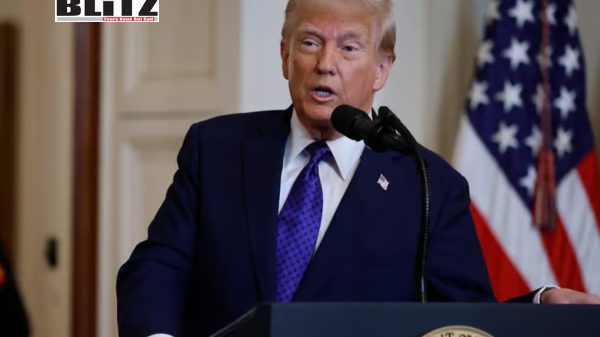
Republican leaders, by contrast, have largely defended the agents involved and framed the unrest as a failure of local governance. President Donald Trump has backed Vice President Vance’s comments, asserting that permissive policies and hostile rhetoric from local officials embolden unrest and obstruct federal law enforcement. Trump has reiterated his administration’s commitment to aggressive immigration enforcement, describing it as essential to national security and public safety.
The situation in Minneapolis has also revived broader constitutional and legal debates over federal authority. Immigration enforcement is a federal responsibility, but its execution within cities that oppose such tactics has long been controversial. Critics argue that large-scale operations conducted without local coordination undermine community policing and increase fear among residents, while supporters contend that federal law must be enforced regardless of local political opposition.
Civil rights organizations have warned that the Minneapolis incidents could set a troubling precedent. They argue that the combination of expanded enforcement powers, militarized operations, and limited transparency risks eroding civil liberties and escalating confrontations. Several groups have announced plans to pursue legal action and federal inquiries into DHS practices.
As investigations into Pretti’s death proceed, Minneapolis remains on edge. The city’s history, including the 2020 unrest following the death of George Floyd, looms large in public memory and has shaped both local reactions and national perceptions. Many residents fear that without meaningful dialogue and accountability, the current crisis could deepen existing divisions.
For now, Minneapolis stands at the center of a national argument over immigration, policing, and political responsibility. Whether the unrest is the result of “engineered chaos,” as Vice President Vance claims, or a spontaneous backlash to federal actions remains a matter of fierce dispute. What is clear is that the events of January have intensified an already volatile debate and ensured that Minneapolis will remain a focal point in America’s ongoing struggle over law enforcement and civil rights.
Sonjib Chandra Das is a Staff Correspondent of Blitz.